What is Tajweed? The Scientific Importance of Authentic Quranic Recitation
The Beauty of the Word: Conceptual Depth of the Science of Tajweed
Tajweed, in terms of its literal meaning, means 'to do something in the most beautiful way, to adorn, and to give its due.' As an Islamic discipline, the science of tajweed refers to pronouncing each letter of the Holy Quran from its own point of articulation and in accordance with the attributes it possesses. The Quran is not an ordinary text, but a divine word. Therefore, reading it while adhering to the aesthetic and phonetic subtleties in the language it was revealed in is a requirement of respect for the text. The science of tajweed is like a shield that protects the musicality of the divine message.
Preventing Semantic Shifts and Semantic Protection
Arabic is a language with very high semantic depth, where the way letters are pronounced or the extensions within a word can completely change the meaning. For example, extending a letter more than necessary or cutting it short can pull the intent of the verse in an entirely different direction. The primary goal of learning tajweed is to prevent such semantic shifts and to read the Quran as close as possible to that original recitation quality that reached us from the Prophet. Simply recognizing the letters is just a start; but knowing where those letters will be joined and where to pause constitutes true reading. Avoiding obvious errors called Lahn al-Jali is a responsibility for every reader.
Tajweed Logic from Basic to Advanced Level
Many students view tajweed rules as an 'advanced' subject of expertise and constantly postpone starting. However, tajweed is a process that begins with the vocalization of letters from the basic level. Med (extension) signs, reading a letter with shaddah, or stopping with jazm are actually the building blocks of the science of tajweed. Grasping the logic of these signs at the basic level ensures that your mind is not overwhelmed when learning complex rules later. Learning these rules from the very beginning with academic rigor and audio examples adds fluency to the reading. Rules such as Idgham, Ikhfa, and Izhar are phonetic rules that ensure the natural flow of the language.
Food for the Soul: Phonetic Music and Khushu
Another dimension of the science of tajweed is the rhythm and harmony in recitation. The Holy Quran has its own unique phonetic music. When letters are read by giving them their due, the impact of this divine word on hearts multiplies. A recitation with tajweed awakens a deep tranquility and khushu (humility) in both the reader and the listener. This discipline forces the mind to focus on the physical characteristics of the letters while simultaneously preparing the heart for a climate of spiritual reflection. The opportunities for repetition and comparative listening offered by digital tools are indispensable aids in making these fine adjustments.
Academic Perspective: Phonetic and Makhraj Discipline
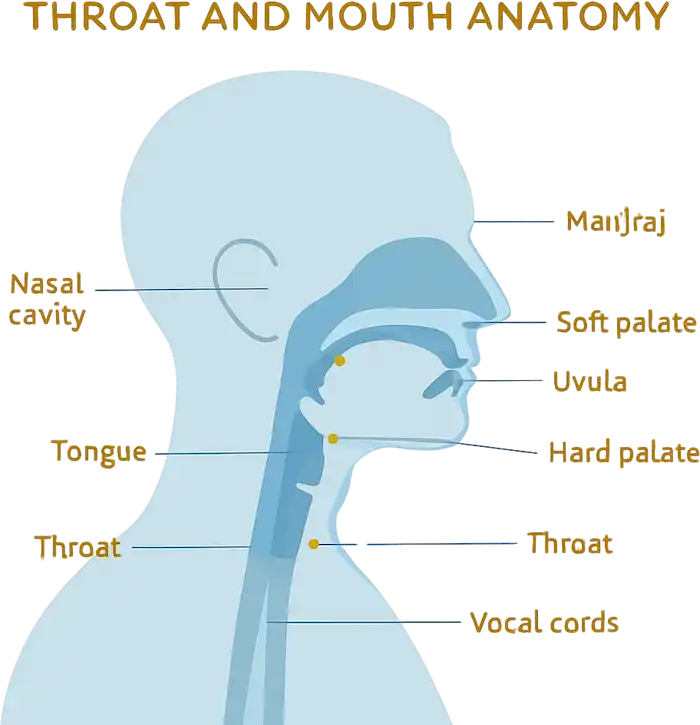
When viewed from an academic perspective, tajweed is the union of linguistics and phonetic disciplines for a spiritual purpose. Studies on the makhraj (articulation points) of the letters are a technical training that teaches how the mouth and throat structure are used. Receiving this training through a digital platform with audio repetitions minimizes the margin of error. A learning environment where you can progress at your own pace and listen to a rule you are stuck on hundreds of times transforms the science of tajweed from a daunting lesson into an enjoyable pursuit. Applied recitation is the point where theoretical knowledge is crowned with practice.
Conclusion: Journey to the Light of the Word
In conclusion, tajweed is one of the most honorable stages of the relationship established with the Holy Quran. Pronouncing the divine word in accordance with its original form is a virtue that raises the spiritual level of the believer. Every step taken on this path means delivering the right of the letters and waving the miraculous sound flag of the Quran correctly. Giving the necessary importance to makhraj and attribute training is not just a technical skill, but also the surest way to penetrate the spirit of the Quran. With a proper guide and patient work, anyone can become a part of this divine musicality.

Quran Lessons: Elif Ba — Experience This Now
Download our app to explore all these features and more.