What is Cevşenü'l Kebir? Virtues and Secrets of the Spiritual Armor
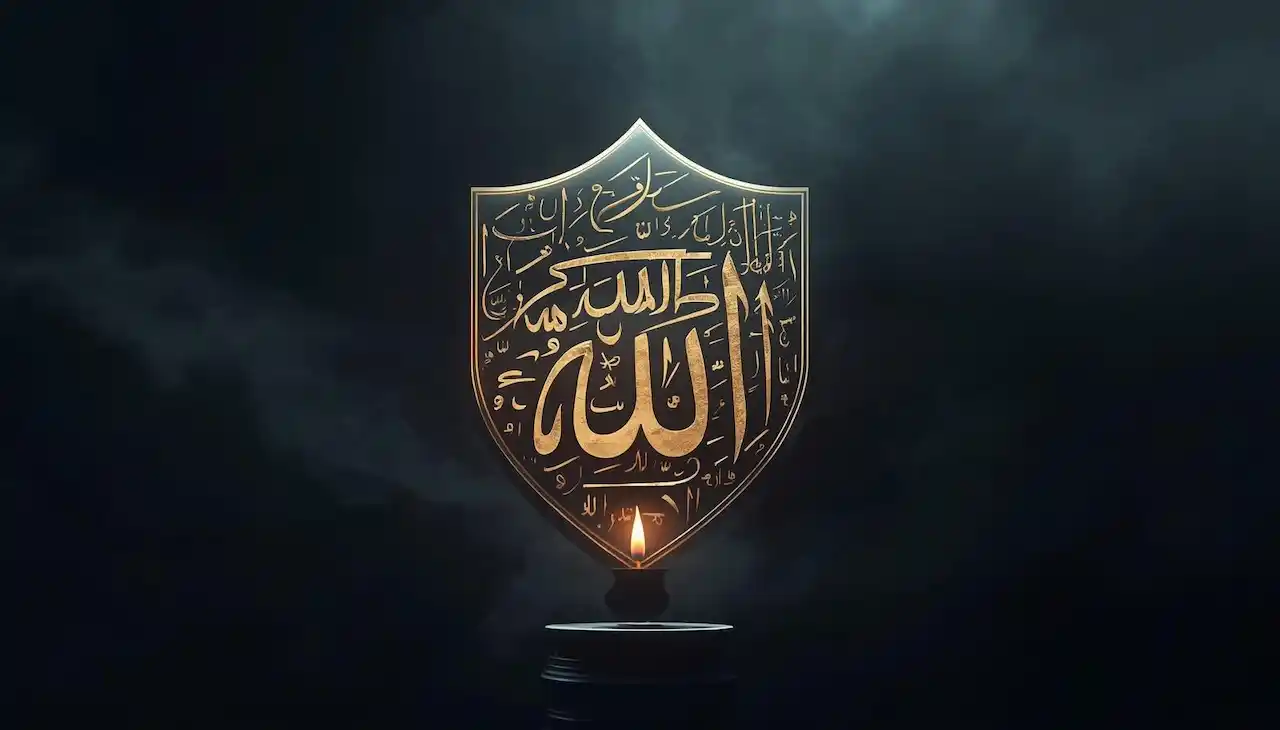
The Metaphysical Secret of a Thousand and One Names: The Essence of Cevşenü'l Kebir
Cevşen, at its etymological root meaning 'armor,' is one of the most magnificent and systematic supplications in Islamic prayer literature. From a historical perspective, the emergence of this prayer dates back to a most distressing moment during the Battle of Uhud, when the physical burden of the Prophet's (PBUH) heavy metal armor reached its peak. According to narrations, Gabriel (as) delivered the famous call: 'Take off the armor and recite this prayer!' This event symbolizes that in Islamic thought, spiritual protection is far more vital than material defense. Since that day, Cevşen has remained the most resilient metaphysical shield that believers don against both worldly and celestial tribulations.
Systematic Structure and Ontological Depth
When examined on an academic level, Cevşenü’l Kebir is not merely a text for protection, but a grand mathematical arrangement of the Names and Attributes of Allah (Esma-i Hüsna). Comprised of 100 sections (babs), each harboring ten different holy names, it reaches a total of a thousand and one divine names. This systematic structure is seen as a reflection of the divine order within the universe. The characterization as spiritual armor stems from the prayer's ability to provide protection not only against external calamities but also against the 'spiritual arrows' of the inner world, such as delusions, fear, and anxiety. Each name speaks to a different layer of the cosmos and a distinct need of the human soul.
Psychological Sakinah and Mental Purification
Current psychological data confirms the 'sakinah' (tranquility) effect that regular dhikr and focused prayer have on the human mind. Cevşen keeps the reader in a constant state of contemplation (tafakkur), purifying the mind from the chaotic noise of daily life. The plea 'al-aman, al-aman!' repeated at the end of each section is a theological expression of the 'need for safety,' which is the greatest pursuit of modern man. This prayer makes the individual feel they are not alone and are encompassed by the Absolute Power at every moment. From a cognitive perspective, the rhythmic repetition of the thousand and one names creates a meditative depth in the brain, balancing stress hormones.
Why Should It Become a Daily Spiritual Routine?
For many Muslims, including Cevşen in their daily spiritual routine (vird) is more than just an act of gaining merit. This supplication is the most comprehensive tool for 'recognition' in a servant's dialogue with their Lord. Recognizing our Lord through His names increases trust (tawakkul) while allowing the individual to realize their own helplessness. The secrets of healing, abundance, and preservation counted among the virtues of Cevşenü'l Kebir are actually the results of the positive transformation these high-frequency names create in the servant's soul. As the soul is fed by divine names, it becomes more resilient against the storms of the world.

The Perspective of Islamic Scholars and Mystics
Islamic scholars emphasize that every word of Cevşen acts as a key. These keys at times lead to the healing of a disease, the opening of a door to sustenance, or the repelling of a misfortune. However, the true great secret lies in building a consciousness of tawhid (unity) under the shadow of the thousand and one names. Every line read with this consciousness is a step toward beautifying one's character with divine morality. Thinkers like Bediüzzaman Said Nursi have frequently expressed the universal vastness of this prayer and described it as a light filtered from the Quran.
Metaphysical Protection and the Invisible Shield
In traditional belief, there are many narrations stating that Cevşen protects against fire, the evil of enemies, and the harm of invisible beings. However, the manifestation of this protection depends not on merely carrying it on paper, but on reciting it while feeling it in the heart. The luminous armor can only be 'worn' with faith and sincerity (ikhlas). Against the feelings of loneliness, meaninglessness, and emptiness brought by the modern age, Cevşen binds the soul to a chain of divine belonging. A thousand and one names represent help coming from a thousand and one different doors. Joining this massive prayer circle is the highest station of security a believer can reach.
Conclusion: A Luminous Heritage Transcending Time and Space
In conclusion, Cevşen is a luminous heritage that transcends time and space. From the heat of Uhud to today's digitalized world, it continues to be a sanctuary in every age. Encompassing yourself with this sacred text is the most salutary way to secure not only the outer world but also your inner world. Reciting Cevşen is a conversation of the heart with Allah through His names. The blessing of this conversation illuminates both this world and the hereafter. Every cry of 'al-aman' rises to the heavens as a herald of eternal salvation.
Great Cevshen and English Translation — Experience This Now
Download our app to explore all these features and more.