Five Blessed Surahs: The Virtues of Surah Yasin, al-Mulk, an-Naba, al-Fath, and al-Waqi'a
The Place and Importance of the Five Surahs in Islamic Tradition
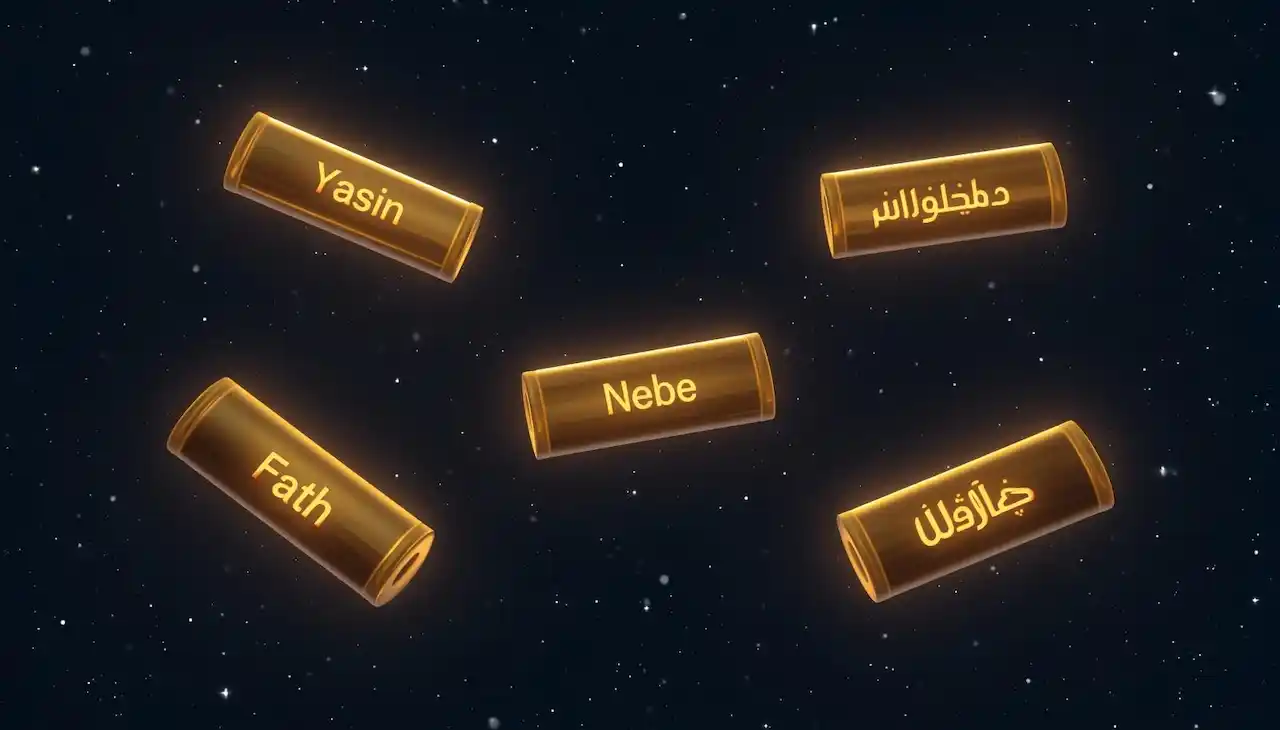
In the daily worship of Muslims—especially during Friday nights, holy occasions, and the blessed hours of dawn—Surah Yasin, al-Mulk, an-Naba, al-Fath, and al-Waqi'a stand out as the most frequented chapters of the Quran. Each serves as a spiritual treasure and a metaphysical refuge. While the entire Quran is a source of healing, these specific surahs have been highlighted in the Hadiths of our Prophet (pbuh) as special glad tidings, protective shields, and gates to sustenance. This collection forms a spiritual guidance that covers a believer's entire journey, from birth to death, and from the life in the grave to the plains of resurrection. The Five Blessed Surahs collection is a spiritual portfolio that ensures a Muslim receives their full daily soul-nourishment.
Surah Yasin: The Heart of the Quran and Metaphysical Healing
Our Prophet (pbuh) stated, 'Everything has a heart, and the heart of the Quran is Yasin,' summarizing its ontological importance most eloquently. Surah Yasin is a profound address containing the most striking proofs of Tawhid (the Oneness of God), resurrection, and prophethood. Against the spiritual constriction brought by the modern age, Yasin acts as a frequency regulator that brings tranquility to the heart. The rhythmic structure of the words and the divine warnings within soothe existential pains and bring the individual closer to the Truth. While it is a tradition to recite it for the deceased, reading Yasin according to the rules of makhraj and tajwid multiplies the spiritual impact for the revival of living hearts.
Surahs al-Mulk and an-Naba: Light Against the Torment of the Grave
Surah al-Mulk (Tabaraka) is referred to in Islamic literature as 'al-Munjiya,' meaning 'The Rescuer.' Recommended to be recited every night before sleep, this surah breaks human pride by reminding us that Allah is the sole owner of sovereignty, becoming a light in the darkness of the grave. Surah an-Naba (Amme), on the other hand, is a means of reflection that announces the 'Great News'—the Day of Judgment and rebirth—awakening slumbering souls. Regular recitation of these two surahs keeps one’s afterlife consciousness fresh and prevents one from being crushed under worldly ambitions. Cognitive awareness and a sense of surrender are hidden between the lines of these two chapters. Night readings supported by dark mode and eye-friendly themes technically enhance this spiritual atmosphere.

Surah al-Waqi'a: Abundance of Sustenance and the Psychology of Trust
Surah al-Waqi'a is the ancient refuge for those suffering from a lack of sustenance or the anxiety of poverty. The prophetic promise, 'Whoever recites Surah al-Waqi'a every night will never be afflicted by poverty,' is proof that this surah should echo in every home. However, wealth here is not just a material increase; it is a blessing that comes with a contentment economy and richness of the heart. Al-Waqi'a encourages the believer to be among the 'Foremost' (Sabiqun) by describing how people will be classified when the great event occurs. Through this surah, the reader reinforces their faith in universal justice and redefines the concept of barakah (blessing).
Surah al-Fath: The Key to Victories and Closed Doors
As its name suggests, Surah al-Fath (The Victory) is a harbinger not only of military triumphs but also of the conquest of hearts and the opening of closed doors. Recounting how a seemingly difficult process like Hudaibiyah resulted in a 'clear victory' (Fath-i Mubin), this surah offers believers the formula for strategic patience and divine aid. It is a harbor for anyone feeling stuck or wishing to make a new beginning. This surah instills the confidence that 'Allah will help you.' Professional narrations and translation tracking features allow you to feel the victorious spirit in every single word of Surah al-Fath.
Conclusion: Preserving Spiritual Heritage in the Digital Age
Centering these five blessed surahs in one's life is a form of spiritual resistance against modernism. In this sacred journey where every letter brings ten rewards, correct pronunciation and tajwid rules are a manifestation of respect for the text. The offline access and vector font technology provided by digital platforms allow you to reach the light of the divine word at any moment and in the highest visual quality. In an age where reaching information takes seconds, accessing the light of the Quran with the same speed—but with greater reverence—is the noblest step for the construction of our inner world. The discipline of the five surahs is the shortest way to mold our character with the morality of the Quran.

Yasin Mulk Nebe Fetih Vakia (Audio & Translation) — Experience This Now
Download our app to explore all these features and more.