The Role of Idioms in Turkish: Why Do We Use Idioms in Communication?
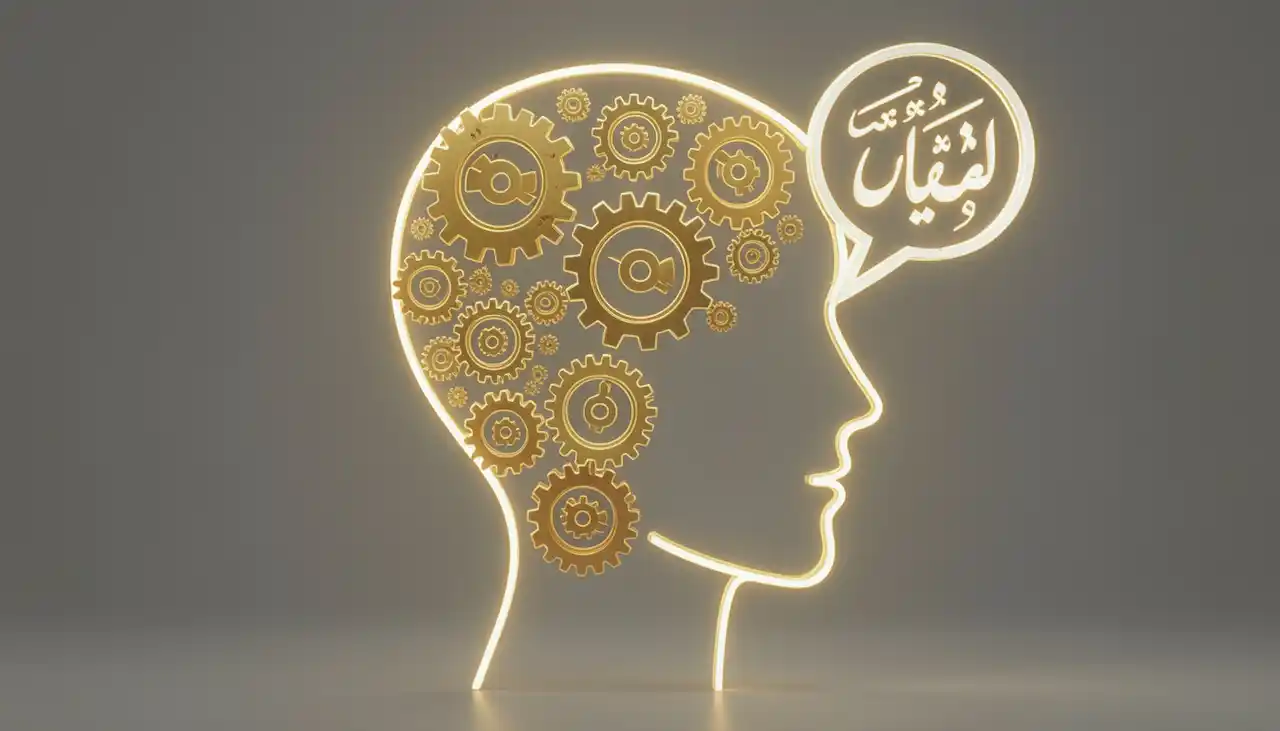
The Lifeblood of Language: Communicative Power and the Logic of Metaphor
Idioms are the most concrete structures demonstrating that a language is not just a collection of words, but a reflection of the mental agility, historical accumulation, and aesthetic understanding of the nation that speaks it. These fixed expressions, which have reached the present day by passing through the thousands of years of the Turkish historical filter, are essentially the lifeblood of the language. Instead of describing a situation, a feeling, or a complex thought with an academic text that would take pages, expressing it with an idiom of just a few words increases both the speed and the impact of communication. These structures are among the most fundamental narrative tools that prevent the language from becoming stagnant, adding movement and vitality to it. Idioms are special semantic miracles where words shed their literal dictionary meanings and gain new ones through social consensus.
The Art of Saying Much with Few Words: Conciseness and Concretization
The primary motivation for using idioms in communication is the art of 'saying much with few words' (conciseness/ijaz). The human brain processes information more permanently when abstract concepts are paired with concrete visuals. For example, instead of just saying 'he got very angry' to describe someone's rage, using the expression 'küplere bindi' (literally: he mounted the jars) instantly creates an image in the listener's mind. This mental visualization ensures that communication happens not just through the ears, but through the imagination. Idioms break the linear logic of language, adding a metaphorical depth and leaving a more jarring mark on the counterpart's mind. This increases the narrator's persuasiveness while extending the listener's focus time.
Cultural Codes and the Carrying of Collective Memory
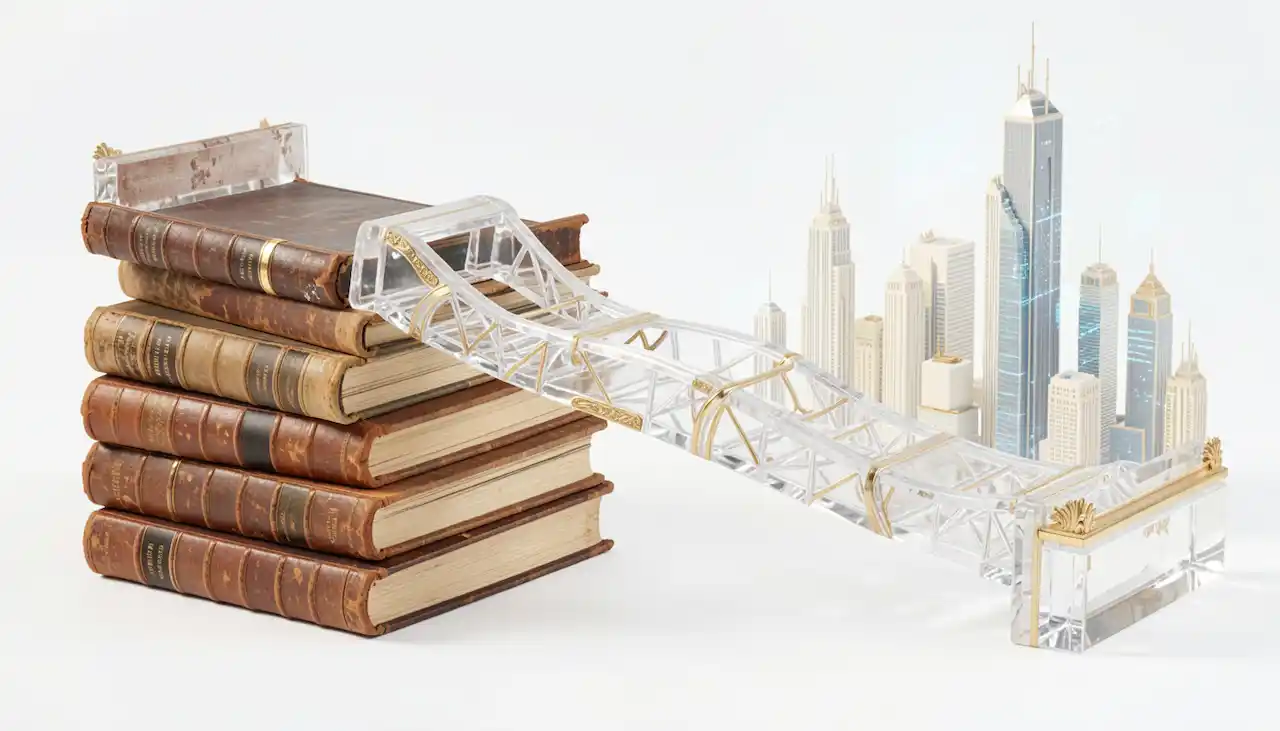
Idioms are also the carriers of social memory and cultural genetics. You can understand what a society values, what it avoids, or what it makes the subject of humor by looking at its idioms. A large part of Turkish idioms is fed by daily life, livestock breeding, agriculture, or the tradition of tradesmanship. This proves that idioms are not just grammar rules, but a cultural heritage. Using this heritage correctly grants the speaker a degree of wisdom and mastery over the language in the eyes of society. Idioms are invisible bridges that translate the experience of the past into the language of today.
Academic Perspective: Linguistic Flexibility and Semantic Transformation
From an academic standpoint, idioms represent the flexibility capacity of a language. Words moving completely away from their dictionary definitions to meet a brand-new concept is an indicator of linguistic creativity. This semantic transformation is as much a field of research for linguists as it is a stylistic richness for literati. A good writer or orator uses idioms not as a mere ornament, but as strategic elements that strengthen the backbone of the narrative. The appropriate use of idioms increases the fluency of the text while reinforcing the reader's commitment to the content. Knowing the rules of a language is grammar, but knowing its idioms is 'living' that language.
Emotional Release and Language as a Diplomatic Tool
Another element determining the indispensable place of idioms in daily life is their ability to provide emotional release. Intense emotions such as anger, joy, surprise, or disappointment are expressed in a more aesthetic form through idioms. Instead of directly insulting someone, making a jab with an idiom showcases the language's politeness and ironic power. In this respect, idioms serve as a kind of diplomacy tool in social relations. They soften harsh discourses or make an ordinary compliment much more valuable. The idiom 'gönül almak' (literally: to take the heart) symbolizes the restorative power of communication on its own.
Social Approval and Common Language Consciousness
For a phrase to become an idiom, it must be accepted by a large segment of society and passed down through generations. In this regard, idioms carry a seal of 'social approval.' The fact that people from two different generations can understand each other using the same idiom demonstrates the continuity and unifying power of the language. Common language consciousness is one of the strongest bonds ensuring the unity of a nation. Idioms are catalysts that reproduce and strengthen this bond every day. In an age where technology transforms language, protecting idioms is actually protecting national identity.
Conclusion: Idiomatic Knowledge as a Cultural Responsibility
In conclusion, if we want to keep Turkish alive with all its richness and express ourselves better, we must take refuge in the magical world of idioms. Idioms are not fossilized parts of the language, but living cells that are reproduced and gain meaning every day. Utilizing this treasure correctly and appropriately increases an individual's social and intellectual capital. Discovering the power of idioms to process our language with the meticulousness of an artist is not a choice, but a cultural responsibility. Correcting our understanding of this voice from the past is the first step in building the thought world of the future.
Dictionary of Turkish Idioms & Guide — Experience This Now
Download our app to explore all these features and more.