Effective Ways to Teach Quranic Letters to Children with Love
The First Spark in the Mind: Letter Awareness in Childhood
A child's mental world is built entirely on play, curiosity, and a sense of discovery, unlike that of adults. For little ones who naturally struggle to make sense of abstract concepts, Arabic letters may initially appear as nothing more than complex and foreign shapes. Transforming this process from an academic burden into an exciting journey of discovery depends on the pedagogical approach of the parents. The foundations laid during early childhood are not just about teaching an alphabet, but also about sowing the first seeds of a spiritual bond that will last a lifetime.
Visual Memory Techniques and the Analogy Method
Visual memory is one of the most powerful learning tools for children. Instead of presenting letters as dry symbols, likening them to objects the child recognizes in daily life prevents them from forgetting. For instance, comparing the letter 'Be' to a cute plate with a dot underneath, or the letter 'Alif' to a pencil standing upright, increases the permanence of the information. Visual memory techniques make the complex structure of letters tangible in the mind, saving the learning process from boredom. A process supported by colorful graphics and interactive visuals ensures the child perceives the lesson not as 'homework,' but as a 'game.' By assigning a character to each letter through storytelling, you help the child build an emotional connection.
Auditory Awareness and Correct Makhraj Training
Children have a tremendous ability to learn by imitating and hearing. During this period, listening to the correct makhraj (articulation) characteristics of the letters accompanied by professional narration builds an auditory familiarity. A letter pronounced incorrectly can turn into a habit that is difficult to correct later. Therefore, listening to the original tone of the letters repeatedly with a digital guide strengthens phonetic awareness. Audio support allows the child to check their own pronunciation and establish a strong neural bond between the sound they hear and the shape they see. The power of repetition, when combined with play, opens the gates to permanent learning.
Consistency and Micro-Learning Sessions
Consistency in the learning process is far more critical than intensity. Sitting at a desk for hours staring at letters will be inefficient as it exceeds the child's attention span. Instead, 10-15 minute interactive sessions spread throughout the day yield much more lasting results. Rewarding every small success of the child with spiritual appreciation or a small motivational tool keeps their desire to learn alive. The feeling of achievement naturally creates the dopamine effect needed for the next lesson. Thanks to gradual progression, the child experiences the excitement of moving to the next level without being overwhelmed.
Technology: A New Generation Ally in Spiritual Education
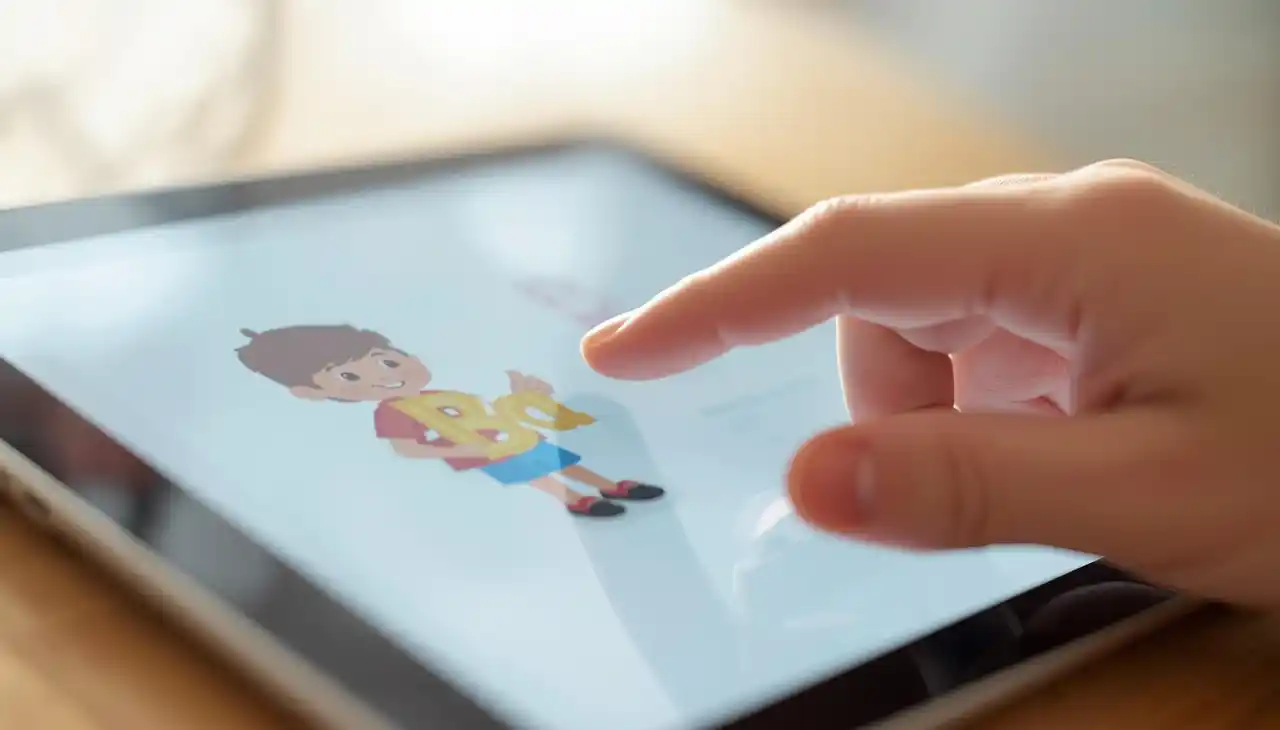
It is possible to turn technology—a reality of the modern age—into an ally in spiritual education. Transforming tablets and phones from passive viewing tools into active educational materials allows the child to participate in the learning process by touching. Touching a letter on the screen, hearing its sound, and perhaps following the writing direction of that letter also develops psychomotor skills. Digitalization, when managed correctly, is the most effective channel for ancient knowledge to enter the world of modern children. Secure and ad-free content is the greatest assurance for parents in this process.
The Language of Love and Patience: The Primary Fuel of Education
Finally, the most fundamental fuel of this journey is patience and the language of love. The child should have the freedom to make mistakes and should be gently guided toward the correct way with every error. Harsh warnings or coercion can lead to fractures in the child's spiritual world that are difficult to heal. Quranic education is not just a technical transfer of information, but a process of building a heart-to-heart bond. Education blended with love will create the perception in the child's heart that these letters are not just an alphabet, but a peaceful sanctuary. Positive reinforcement is the most precious legacy that ensures the child grows up in harmony with this sacred word.

Quran Lessons: Elif Ba — Experience This Now
Download our app to explore all these features and more.