Real Dhikr Counter and the Ontological Benefits of Tasbih
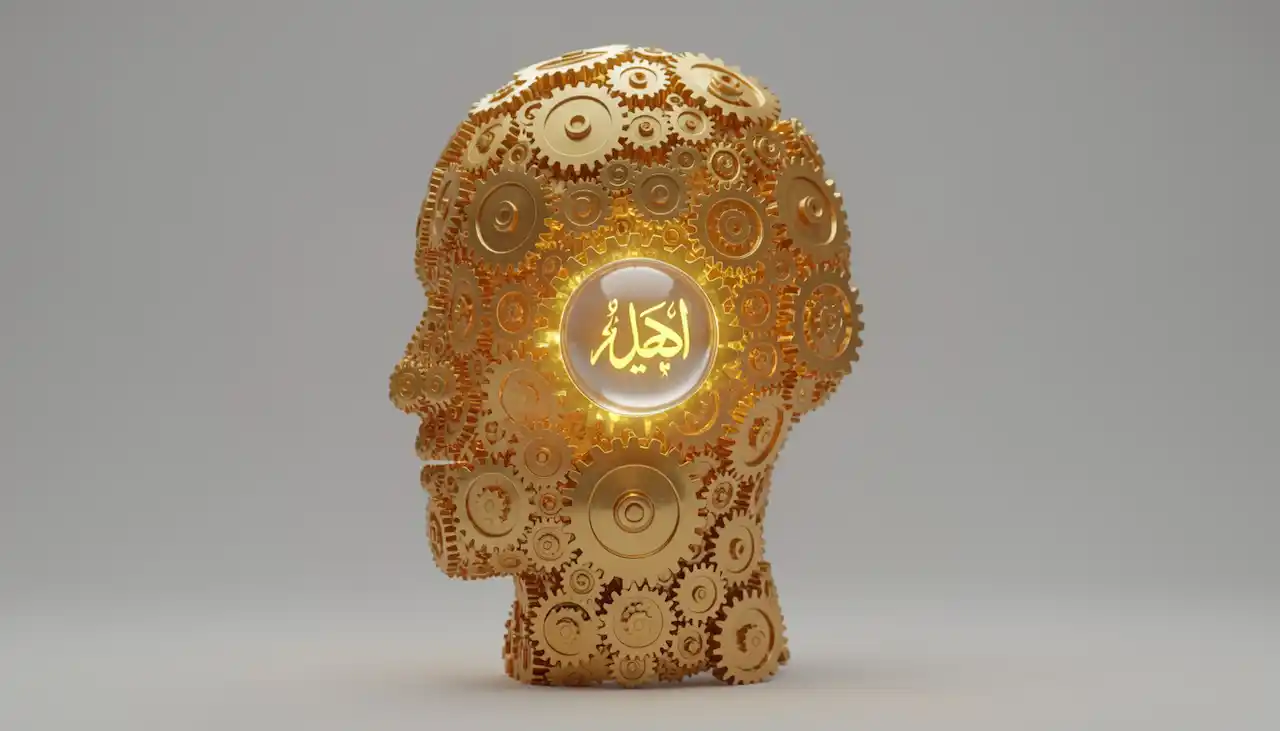
Dhikr Guide: Tuning the Heart to the Divine Frequency
In the realm of Islamic thought, dhikr is not merely the repetition of specific words by the tongue, but a state of uninterrupted awareness that a servant establishes with their Creator. Derived from roots meaning 'to remember' and 'to mention,' dhikr is the only harbor where the soul can find tranquility amidst the chaotic noise of the modern age. From an academic perspective, dhikr is an act of metaphysical focusing that gathers the mind's scattered attention into a single center, lifting the individual beyond worldly anxieties. Practicing this act with regular discipline plays a vital role in character building and maintaining spiritual equilibrium.
Dhikr Tools in the Modern Age: Tradition Meets Technology
As an indispensable element of worship, dhikr has been embodied through various tools throughout history. This evolution, spanning from date pits to knotted strings, and from precious handmade prayer beads (tasbih) to today's digital dhikr counters, actually confirms the human need for focus. Using a digital dhikr counter, provided the purity of intention remains intact, harmonizes perfectly with the pace of modern life. These tools serve as technological assistants, not just for keeping count, but for spreading dhikr into every moment of life—on the bus, during a walk, or in work breaks. Harnessing technology for spiritual good is one of the most important competencies of contemporary piety.
The Wisdom of Numbers and the Discipline of Abjad
The use of numbers in dhikr is a deeply rooted tradition often associated with 'abjad' calculations and the numerical values of letters. Islamic scholars express that every divine name and prayer has a specific frequency correspondence in the universe, and numbers act as a lock-and-key relationship to reach that frequency. Performing tasbih while adhering to a specific number (vird) adds order and discipline to the mind. Here, numbers are not an end in themselves but a pedagogical boundary stone that protects the heart from distraction and ensures the dhikr permeates the soul. This discipline elevates the believer from a state of 'heedlessness' (ghafala) to the station of 'presence' (hudur).
Neuro-Psychological Effects of Dhikr and the State of Sekina
Modern neuroscience research has proven that rhythmic sounds and focused word repetitions increase alpha waves in the brain and lower cortisol, the stress hormone. In Islamic terminology, this state is called sekina (peace of heart). The amygdala of an individual who performs dhikr regularly calms down, and their prefrontal cortex—the decision-making center—begins to function more clearly. Dhikr acts as a form of 'active meditation,' improving the individual's emotional regulation skills. When the heart beats with the rhythm of divine words, the whispers of the mind are replaced by a sense of certainty.

Etiquette and Protocol: The Spiritual Manners of Dhikr
To fully benefit from the virtues of dhikr, one must act within a certain framework of etiquette (adab). A quiet environment, a body in a state of ablution, and above all, presence of heart are the soul of dhikr. It is essential that words do not remain only on the lips but are visualized in the mind, with the heart witnessing that meaning (muraqaba). Contemplating God's all-encompassing power while saying 'Allah,' or His flawless order while saying 'Subhanallah,' transforms the worship from dry repetition into a living reality. Etiquette is the key to the door of union.
Dhikr Circles as a Social Value
Dhikr is not only an individual act but also a tool for social capital and solidarity. Tasbih performed together creates a common language of emotion and a spiritual aura among Muslims. Dhikr performed after prayers in mosques or in private gatherings removes the individual's sense of loneliness, making them part of the Ummah. This collective energy raises the general moral level of society and provides individuals with spiritual self-control in avoiding wrongdoing. Dhikr is the silent and deep-acting mortar of social peace.
Consistency in Dhikr: The 40-Day Transformation Threshold
For an action to become part of one's character, continuity is essential. The 'arbain' (forty days) rule emphasized in the Sufi tradition is a threshold for biological and spiritual transformation. Dhikr performed at the same time and in the same amount every day opens new neural pathways in the brain, turning spirituality into an 'automatic reflex.' Consistency is the greatest miracle on the spiritual path. A person who carves out a special 'spiritual time slot' amidst daily chores ceases to be a slave to time and becomes its master. Small but continuous deeds build a will that can move mountains.
Conclusion: The Salvation of Constant Remembrance
In conclusion, dhikr is a divine cure that strengthens the believer's spiritual immune system. Every bead counted with a dhikr counter or simply with fingertips is an earthly echo of eternal happiness. It must be remembered that hearts find rest only in the remembrance of Allah (Ar-Ra'd, 28). To achieve this contentment, one must make every breath a dhikr and every step a gratitude. A heart shining with dhikr will turn into a torch that illuminates the darkness both in this world and the hereafter. Now is the time to silence your mind and begin dhikr to hear the voice of your heart.
Real Tasbih: Esmaul Husna, Salawat & Dhikr — Experience This Now
Download our app to explore all these features and more.