The Spiritual Depth of Supplications and Munajats in the Sunnah al-Saniyyah
Sunnah al-Saniyyah: Purification of the Heart Through Dua and Drawing Near to Allah
The Sunnah al-Saniyyah consists of the words, actions, and approvals of the Prophet (PBUH), serving as a guide that weaves a believer's life like a divine embroidery. At the heart of this Sunnah lie dua and munajat (intimate conversations with God). In terms of spiritual depth, dua is the secret whisper of the heart and the soul's yearning for infinity. The Prophet's prayers are not comprised of dry words; they are manifestations of sincerity (Ikhlas), absolute submission, and infinite love. According to the Sufi and gnostic perspective, prayer is a process of disciplining the self (Nafs) and purifying the heart from negative traits (Tasfiyah). The prayer 'Allahumma a'inni 'ala dhikrika wa shukrika...' is the most fundamental expression of the divine support a believer needs in their spiritual journey (Sayr-i Suluk). Worshipping through Dhikr, gratitude, and Ihsan (excellence) are high stations possible only with the help of Allah.
Munajat as a Spiritual Bridge and Peace of Heart
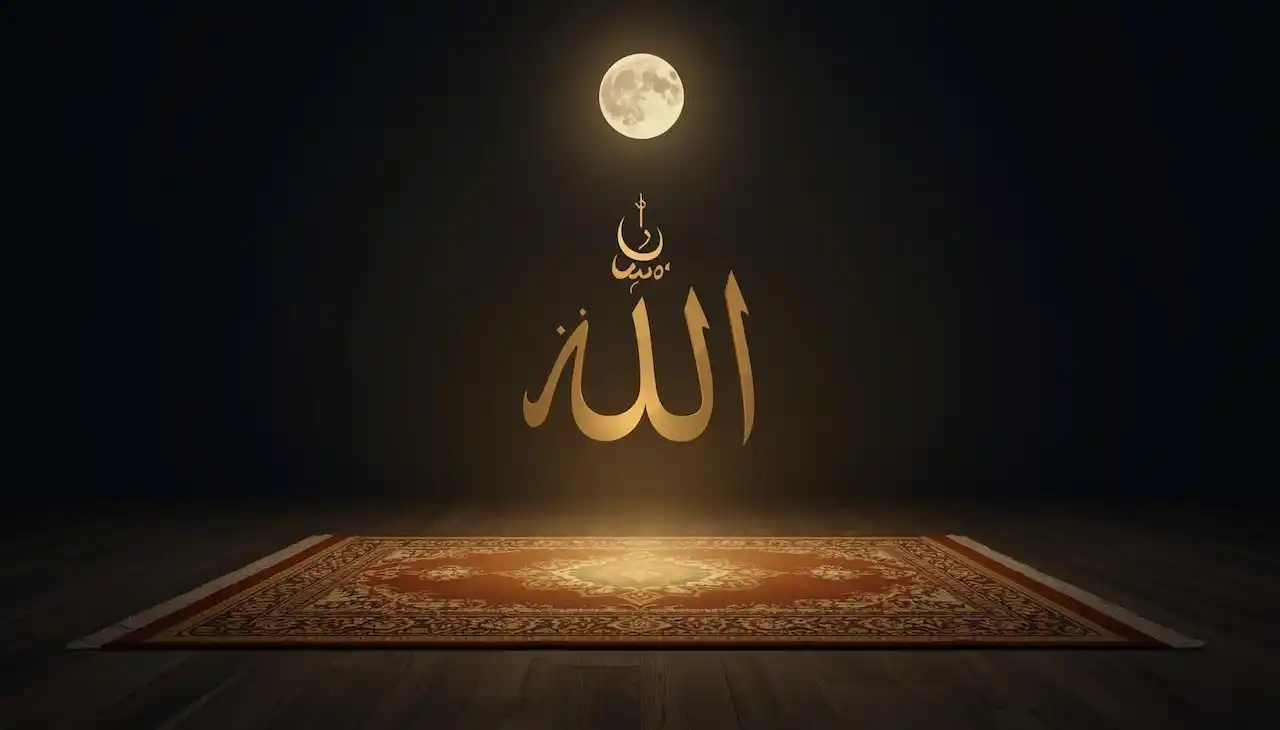
In terms of spiritual depth, dua establishes a bridge of secret love between the servant and their Lord that no one else is privy to. The Prophet (PBUH) would rise in the darkness of the night, while everyone was asleep, and wet his prayer mat with tears during long munajats. These states are not just a ritual for the Ummah; they are food for the soul. In Sufism, prayer performed with the 'eye of the heart' lifts the veils of the material world and allows the servant to sense divine manifestations. The hadith prayer, 'O Allah! I seek refuge in Your pleasure from Your wrath, and in Your forgiveness from Your punishment,' keeps the servant on that fine line between fear (Khawf) and hope (Raja). Munajat settles this balance in the heart, protecting the individual from extremes and granting them dignity (Waqar). This state of mind is the most powerful spiritual medicine to treat the feelings of meaninglessness and void brought by the modern era.

Prophetic Discipline Transforming Every Moment of Life into Worship
In the Sunnah al-Saniyyah, dua is not an action pushed to the periphery of life, but the very center of life itself. The prayers of praise (Hamd) upon waking, the Basmalah while eating, the verses recited when starting a journey, and the prayers of submission before sleeping at night... The existence of a specific munajat for every occasion ensures that every moment in a believer's life counts as 'worship.' In spiritual depth, every dua is a rehearsal of Fana-fillah (annihilation in the will of Allah). The heart is purified from the grime of worldly occupations, ambitions, and fleeting desires through these prayers. The greats of Islam used the Prophet's prayers as keys and ascended to spiritual stations with these keys. Through dua, the self is disciplined, the ego shrinks, character beautifies, and Mahabbatullah (love of Allah) reaches its peak in the servant.
The Blessing of Prayer in Holy Times and the Mi'raj of the Soul
There are certain times when the gates of divine mercy are opened wide. Friday nights, the Kandil nights, Ramadan, and especially the 'Three Months' are periods where this blessing peaks. The prayer our Prophet made at the start of Rajab, 'Allahumma barik lana fi Rajaba...', instills a consciousness of spiritual preparation in the Ummah. These prayers prepare the heart for the light of Ramadan and the magnificence of the Night of Power (Laylat al-Qadr). In spiritual depth, munajat is the baring of the soul where a person stays alone with their Lord in moments of solitude. This state distances the person from the transitory (masiva) and turns them toward the Eternal (Baqi). In Sufi literature, dua is performed with the language of state (Hal); that is, the burning of the heart and purity of intent are more essential than words. The secret that 'Dua is the weapon of the believer' symbolizes the victory won against the self and the devil in the spiritual struggle. In conclusion, these prayers are the state of soul where the heart is closest to Allah, the servant's condition at the station of prostration (Sajdah).
Prophetic Prayers & Hadiths — Experience This Now
Download our app to explore all these features and more.