Safe Exercise Guide During Pregnancy: A Biomechanical and Physiological Analysis
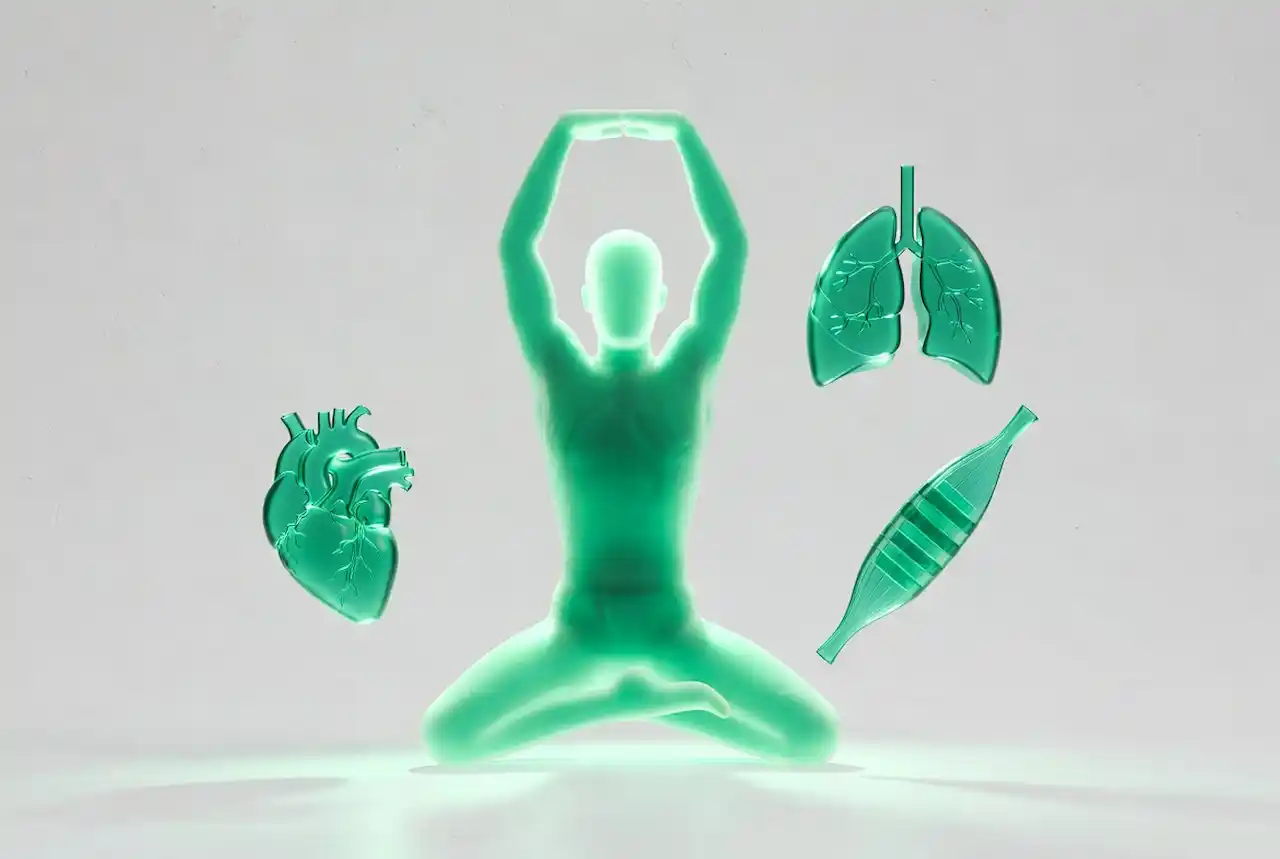
A Fit Pregnancy: The Physiological and Metabolic Foundations of Exercise
Pregnancy is the most intense period of anatomical and physiological change the human body ever undergoes. Engaging in exercise during this time is not merely a physical activity; it is a medical necessity that protects maternal health and optimizes fetal development. From an academic perspective, regular physical activity helps manage the increased cardiac output, balances insulin resistance, and minimizes the risk of gestational diabetes. Exercise stands as the strongest defense mechanism against postural imbalances caused by the shift in the body's center of gravity. In this guide, we examine the scientific foundations of sports during pregnancy and the limits of safe application with academic rigor.
Cardiovascular Adaptation and Maintaining Aerobic Capacity
The increase in blood volume and the rising workload of the heart during pregnancy enhance the importance of aerobic exercise. Moderate walking and swimming optimize oxygen consumption (VO2 max), improving tissue perfusion for both the mother and the fetus. The method referred to as the 'talk test' in academic literature is the gold standard for determining the ideal intensity threshold for pregnant women; being able to speak without becoming breathless during exercise represents the safe limit. Regular aerobic activity protects vascular health by reducing the risk of pregnancy-induced hypertension (preeclampsia) by up to 30%. Heart health is the driving force behind a healthy delivery.
Musculoskeletal System and Postural Balance Strategies
The growing uterus shifts the body's center of gravity forward, causing an increase in 'lordosis' in the lower back. This is the primary source of chronic lower back and spinal pain. Academically planned resistance training balances this mechanical load by strengthening the 'core' muscles that support the spine. Pelvic stabilization exercises prevent sacroiliac joint pain caused by the loosening of joints (due to the effect of the relaxin hormone). Correcting postural deviations does more than just reduce pain; it builds the physical stamina required for labor. Proper posture is the key to biomechanical comfort.
Managing Flexibility and Joint Mobility
The relaxin hormone secreted during pregnancy softens the ligaments and joints, preparing the body for birth. However, this state makes joints more susceptible to injury. Flexibility training at an academic level should be performed while strictly avoiding the risk of 'hyperextension.' Prenatal yoga and controlled stretching movements prevent edema by accelerating lymphatic circulation while reducing muscle stiffness. Maintaining the natural range of motion (ROM) of the joints ensures the sustainability of mobility throughout the pregnancy. Flexibility is the body's capacity to adapt to change.

Metabolic Control and Endocrine System Balance
Exercise creates a regulatory effect on the endocrine system during pregnancy. 'Myokines' released during physical activity reduce inflammation in maternal adipose tissue and stabilize blood sugar levels. Academic studies show that infants born to active pregnant women have more resilient metabolic health (in terms of type 2 diabetes and obesity risk) after birth. This proves that exercise is an epigenetic investment not only for the mother but also for the fetus. Maintaining energy balance is also the most effective remedy for the feelings of extreme fatigue often experienced during pregnancy. Movement is biochemical healing.
Psychological Well-being and Endorphin Release
Due to hormonal fluctuations, pregnancy can be an emotionally fragile period. Serotonin and endorphin hormones released during exercise naturally alleviate pregnancy anxiety and symptoms of prenatal depression. Academic psychological data confirms that pregnant women who exercise regularly have more positive body perceptions and 40% higher sleep quality. Physical activity prepares the mother psychologically for birth by creating a mental space for meditation. Spiritual balance is an inevitable result of physical fitness. The mind grows stronger alongside the body.
Fetal Well-being and Exercise Safety Parameters
The highest priority while exercising during pregnancy is maintaining the blood flow to the fetus (uteroplacental flow). Exercises performed lying on the back (after the 20th week) are academically discouraged due to pressure on the vena cava inferior. Furthermore, since an excessive increase in body temperature (hyperthermia) can create stress on the fetus, workouts should be conducted in cool environments with adequate hydration. Contact sports, activities with a high risk of falling, and heavy lifting are clinically prohibited. Safe exercise should always be conducted through individual risk analysis and expert supervision. Science is the compass of safety.
Conclusion: Holistic Health Through an Active Life
In conclusion, the pregnancy sports guide offers you more than just a series of movements; it provides a standard of life quality based on scientific data. By knowing your own limits, listening to your body's signals, and acting with regular discipline, you can spend these nine months much more enjoyably and healthily. Every step taken, every muscle strengthened, is the most precious investment made in the future of both you and your baby. Remember, an active mother means a healthy start. Now, take a deep breath, show the will to take good care of your body, and begin your fit pregnancy journey today.
Pregnancy Exercises: Healthy Birth & Fitness — Experience This Now
Download our app to explore all these features and more.