The Role of Music in Child Development: Sense of Rhythm and Neuro-Psychological Analysis
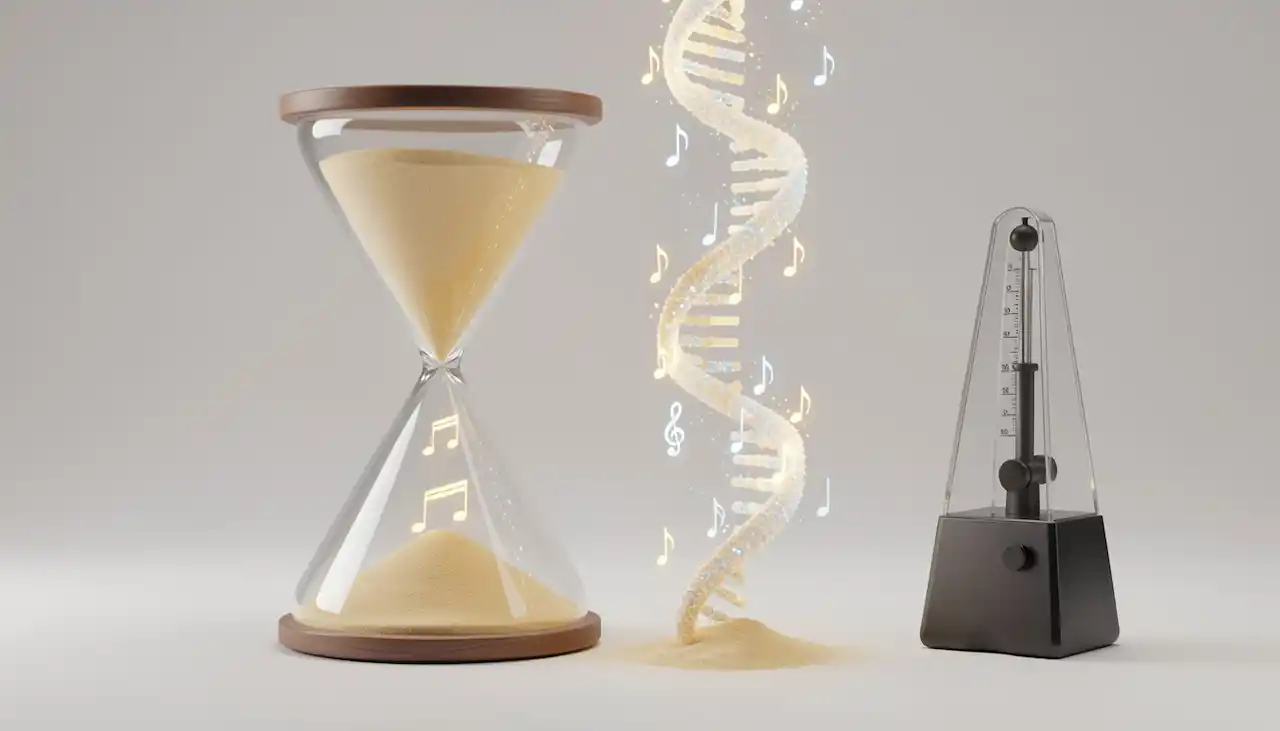
Supporter of Mental Development: The Ontological and Physiological Impact of Music
Music, one of the oldest disciplines in human history, is not just an 'extra talent' in child development but one of the main engines of growth. Everything from a child's biological clock to their speaking rhythm is built upon a fundamental tempo. From an academic perspective, music is the only 'holistic' educational tool that nourishes cognitive, sensory, physical, and social development areas simultaneously. The order and aesthetics inherent in music create a perception of a 'regular world' in the child's mind. In this article, we analyze the deep link between the sense of rhythm and intelligence and the strategic importance of music in character building with scientific depth.
Connection Between Sense of Rhythm and Mathematical Logic
Music and mathematics essentially share the same universal language; both are built on numbers, proportions, beats, and patterns. A child participating in a song's tempo by clapping is actually performing 'fractional' and 'sequential' thinking exercises without realizing it. Academic research proves that children with developed rhythmic skills exhibit higher success in mathematical problem-solving, logical inference, and data analysis. Rhythm is an invisible ruler that brings order to the chaos in the mind. Mathematics is explained with language but felt with rhythm. Regular rhythms give birth to minds that think regularly.
Cognitive Flexibility and Creative Problem Solving
By its nature, music contains variations. Repeating a theme in different ways develops 'cognitive flexibility' in the child's brain structure. A mind following different timbres and melodic changes becomes more competent in generating alternative solutions. As emphasized in academic creativity studies, children involved with music acquire the ability for 'lateral thinking' earlier. The free yet rule-bound world of music whispers to the child that a problem may have more than one aesthetic solution. Creativity is a melodic space of freedom. Intelligence radiates light when combined with aesthetics.
Emotional Intelligence and Empathy: The Social Language of Melody
Music is a universal emotional communication tool that begins where words end. Melodies in different keys (major/minor) symbolize emotions like joy, trust, sadness, or courage, increasing 'emotional literacy' in the child. Academic psychological data show that children with music education can analyze others' emotional states from facial expressions or tone of voice 45% more accurately. This social resonance brings the individual's adaptation capacity and empathy skills within society to a peak. Music is a radiant language where heart speaks to heart, a unifying spiritual energy.

Attention Management and Deep Focus Capacity
In a fast and chaotic world, the most precious skill is the ability to gather attention at a single point. Listening to a complex orchestration or performing an instrument activates the brain's 'executive functions' at the highest level. An academic-level music study requires selecting the 'meaningful' from auditory stimuli and focusing on it (selective attention). This deep focus discipline will be the child's greatest ally in later school life during classroom listening and reading comprehension. Music is a radiant filter that purifies the mind from the noise of the outside world. Patience is hidden behind every note.
Neuro-Psychological Healing and Stress Control
Music has a direct regulating effect on the nervous system. Rhythmic and soft tones increase dopamine and serotonin levels in the brain while lowering cortisol, the stress hormone. Academic pediatric guides state that music has a sedative effect on children and plays a healing role in many areas, from sleep quality to anxiety management. A child making their own music finds the opportunity to discharge internal tensions in a safe space (catharsis). Spiritual balance begins with melodic tranquility. Music is the most natural and compassionate shelter for a child's soul.
Phonetic Awareness and Literacy Preparation
The foundation of reading and writing skills, 'phonological awareness,' is based on the ability to correctly perceive sounds and match them with letters. The rhymes, syllables, and emphases in songs prepare the brain's language centers for the reading process. Academic linguistics studies prove that preschool music education minimizes risks like 'dyslexia.' When words are perceived as notes and sentences as songs, the learning process is completed with biological precision. Music is the aesthetic form of language. Every note heard is a radiant seed of knowledge planted in the mind.
Conclusion: Holistic Evolution Under the Guidance of Music
In conclusion, the role of music and rhythm in child development is an indisputable scientific fact. Every child who views music not as a hobby but as a natural part of life steps into a smarter, more peaceful, and more creative future. When the right choice of music is combined with patient guidance and a climate of love, a unique orchestra will be established in our children's souls. Remember that those who start life with rhythm always take their steps with more confidence. Now is the time to take your child's hand, invite them into the magnificent and healing world of music, and keep rhythm together with them.

Cute Dog Piano: Music for Kids — Experience This Now
Download our app to explore all these features and more.