Preschool Songs: Multi-faceted Development in Early Childhood
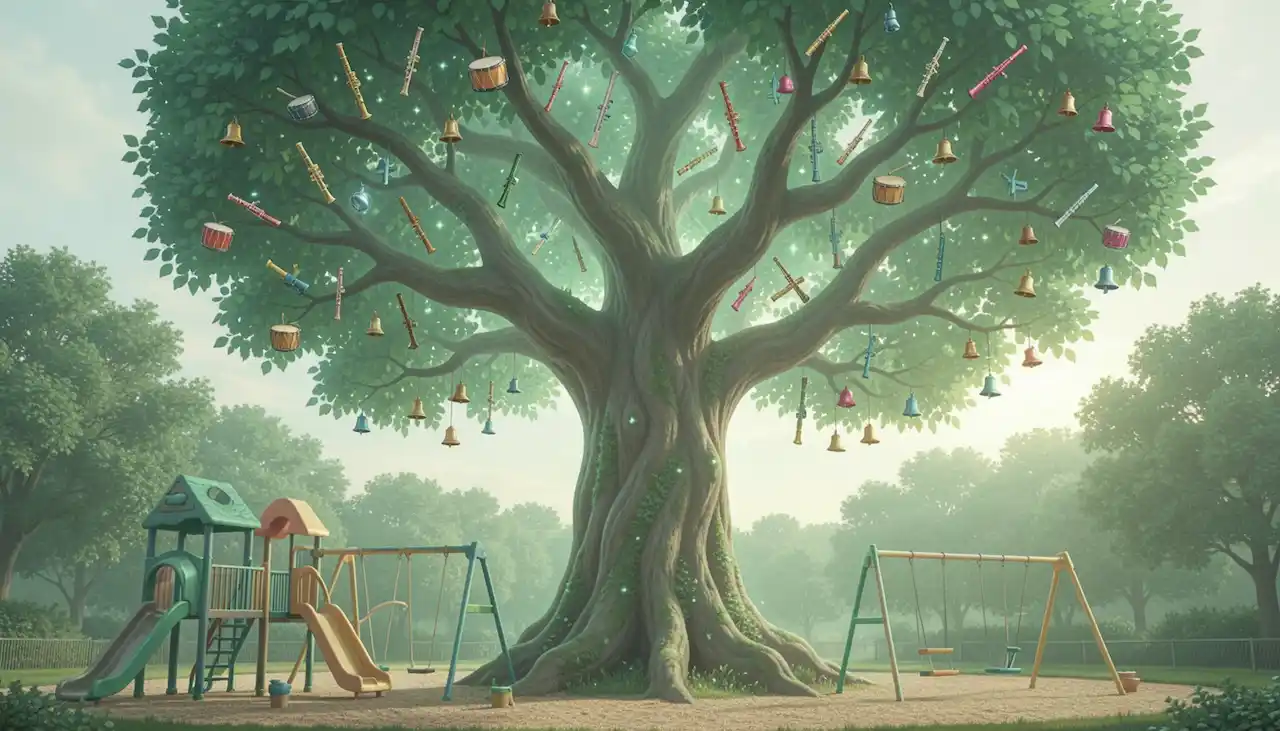
Development Guide: Musical Needs of the Preschool Period
The preschool period (ages 3-6) is defined as the 'critical period' where an individual acquires basic habits and the main outlines of their character are shaped. In this period, songs are not just a part of the educational curriculum, but the primary driving force. A child learning colors, numbers, animals, and social rules accompanied by a song internalizes information much faster and more permanently. This phase, where 'musical intelligence' (Gardner's Theory of Multiple Intelligences) is academically stimulated, determines the child's success potential in their future academic life. Songs are the magic keys that turn discipline in preschool education into a game.
Cognitive Flexibility and Problem-Solving Skills
Music, by its nature, contains variations and repetitions. When children sing or keep rhythm, 'functional connectivity' in the brain increases. This situation allows the child to build logical bridges between different situations and generate creative solutions. Waiting for a song's chorus or adapting to tempo changes develops cognitive flexibility and a sense of patience in the child. Preschool songs are safe discovery flights for the mind in the world of possibilities. Intelligence blossoms when nourished with musical stimuli.
Self-Regulation and Emotional Therapy
Children do not yet fully know how to name and manage their emotions. Preschool songs symbolize feelings such as fear, joy, sadness, or excitement, allowing the child to confront these feelings. For example, a song that talks about a storm but ends with the sun coming out functions as a form of 'bibliotherapy' that helps the child soothe their anxieties. Music teaches the child to calm down and control their own emotional state (self-soothing) by activating the parasympathetic nervous system. A peaceful musical atmosphere is the spiritual immune system of preschool classrooms and the home environment.
Sensory Integration: Synchronizing Sound, Visual, and Movement
In preschool education, songs are often supported by visuals (picture books or animations) and physical movements. This multisensory approach accelerates the child's sensory integration process. Hearing the sound, seeing the visual representing that sound, and making a movement suitable for that sound builds a massive communication network between the motor cortex, visual cortex, and auditory center in the brain. This network allows the child to perceive the world in 360 degrees. The synchronized working of the senses is the most effective natural method for removing learning barriers.
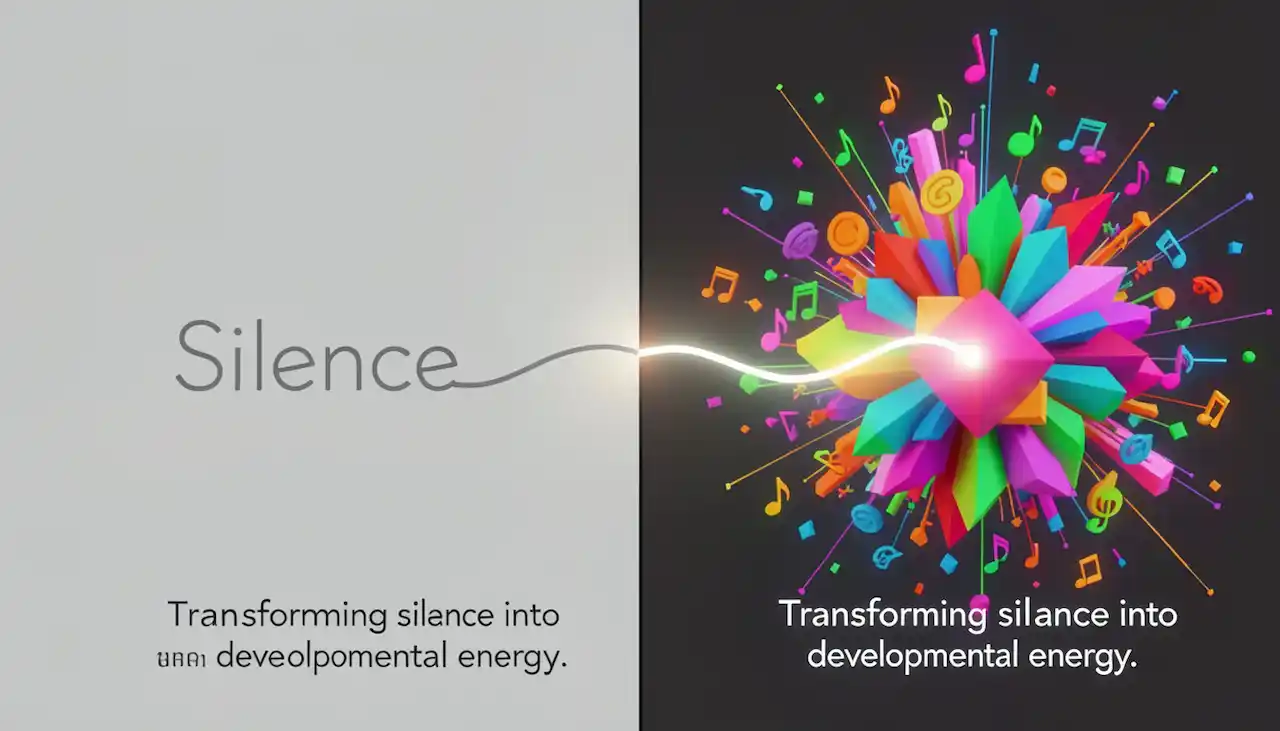
Vocabulary Range and Semantic Deepening
Songs prepared for preschool children contain specific words (astronomy terms, natural phenomena, profession names, etc.) that are rarely found in everyday language but will enrich the child's world. A child who constantly listens to and sings these songs does not just memorize the words; they also grasp their semantic (meaningful) loads. The lexical capital gained through songs enables the child to develop reading and writing skills much faster when they start primary school. Language sprouts and thrives much more quickly in the free environment of songs.
Self-Confidence and Sense of Achievement: The 'I Can Do It' Expression
Being able to sing a song from beginning to end without error or hit a rhythm pattern correctly is a great symbol of success for a child. These 'small victories' strengthen the child's sense of self-efficacy. Singing in front of a community (family or friends) is the most powerful pedagogical tool in overcoming obstacles like social phobia and shyness. Music gives the child the courage to express themselves. No matter how small the spotlight, the spark of achievement in the eyes of a singing child is the harbinger of great future self-confidence.
Increasing Auditory Attention and Concentration Span
The 'fast consumption' habits of the modern age are shortening the attention span in children. However, structured, high-quality children's songs with introduction-development-conclusion sections force the child to 'listen' and 'follow.' Trying to catch a subtle sound difference within a melody or waiting for the answer to a question in the song works the analytical part of the brain. The skill of deep focus is the most precious academic preparation acquired with songs in the preschool period. One who is not a good listener cannot be a good student. Music is a magnet that pulls attention to the focal point.
Conclusion: Building a Melodic Future at an Early Age
In conclusion, the bond established with songs in the preschool period forms the aesthetic and mental foundation that the individual will carry throughout their entire life. It is essential for parents and educators to bring children together not just with noisy popular content, but with melodies of quality, educational, and high pedagogical value. The right choice of music is a seed of love planted in a child's heart and a window of wisdom opened in their mind. Remember that music is as much the food of the soul as it is the light of the mind. Now is the time to take our children by the hand and invite them into that immense healing and teaching world of songs.
Educational Kids' Songs: Fun Learning Through Music — Experience This Now
Download our app to explore all these features and more.