Hermeneutic Analysis of Prayer Duas: Semantic Depth and Theological Essence
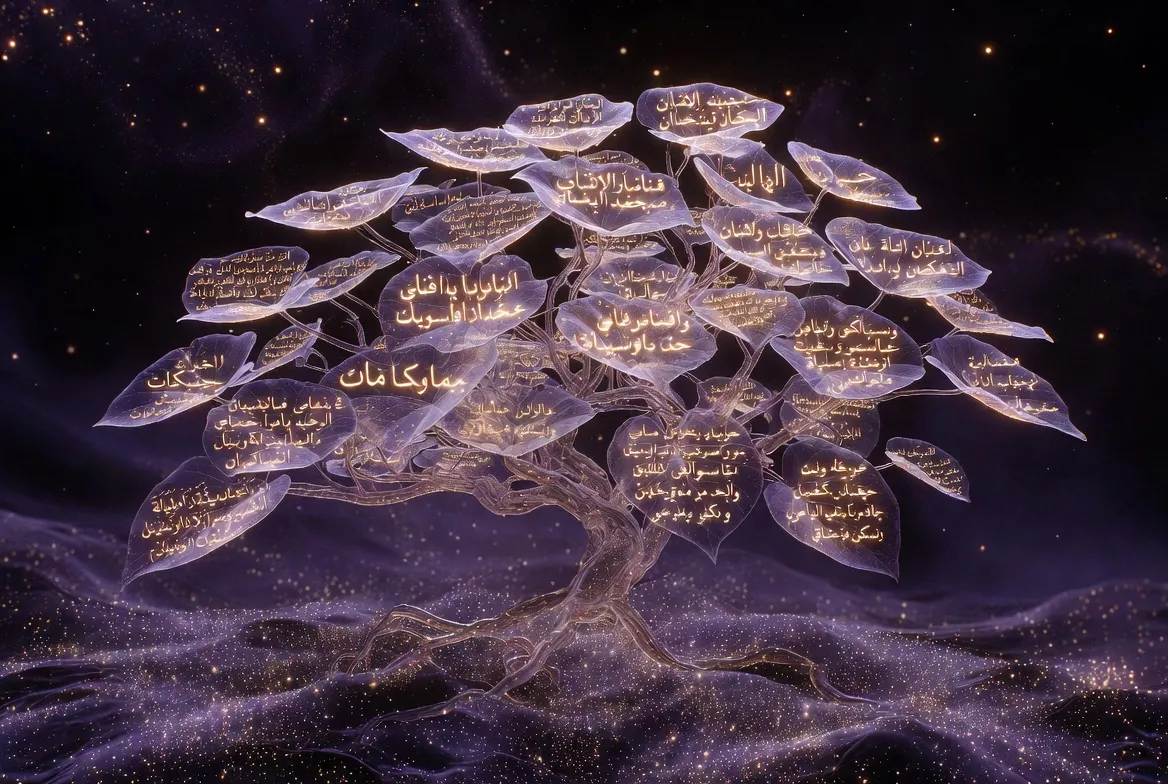
Discover the Wisdom of Duas: An Intertextual Perspective
Duas recited in prayer, such as Subhaneke, Tahiyyat, Salli-Barik, and Rabbena, contain the densest and purest summaries of Islamic theology and moral philosophy. Although these prayers are small in volume, they serve as universal existential guidelines due to the semantic load they carry. From an academic perspective, knowing the meanings of prayer duas transforms worship from a formal movement into a hermeneutic process (interpretive understanding). This radiant chain stretching from start to finish explains how the believer should position the world, themselves, and their Creator. Every word that meets its meaning manifests as light in the heart.
Subhaneke: Summary of Islamic Epistemology and Ontology
Subhaneke, recited in the first rukn of prayer, begins with the glorification of the divine essence. As emphasized in academic analyses, concepts of praise, blessing, and majesty are constructed within this short text. The phrase 'I glorify You far above all flaws' is the individual's turn toward infinite perfection while acknowledging their own inadequacy. A mind standing for prayer while knowing the meaning of Subhaneke feels itself as part of the order in the universe. This prayer is not an introductory text, but the truth itself. It is the first spiritual filter that cleanses the mind of worldly noise.
Ettehiyyâtu: Phonetic and Diplomatic Analysis of the Mi'rac
The Tahiyyat prayer is the textualization of a divine greeting that took place on the night of Mi'rac, according to Islamic belief. In academic literature, this prayer carries the character of a diplomatic protocol where the servant renews their covenant with their Creator and Prophet. This text, reaching its peak with the Shahada, reinforces the individual's social and theological belonging. Every Tahiyyat recited with understanding invites the believer to a mi'rac within their own inner world. Peace (Salam) is etched into the heart as the most unshakable bridge of trust.
Salli and Barik Prayers: Prophetic Heritage and the Blessing Paradigm
The spiritual bridge built between Prophet Abraham and Prophet Muhammad (PBUH) is placed at the center of the prayer through the Salli and Barik duas. In academic theological studies, these prayers are the most concrete expression of the concepts of 'tradition and continuity.' Understanding that the concept of blessing (baraka) is not just a material increase but a qualitative exaltation changes the individual's outlook on life. Contemplating the meaning of these duas purifies the believer from the sense of loneliness by linking them to a historical chain of wisdom. Loyalty is the most elegant moral fruit of the prayer.

Rabbena Prayers: Balance of the Worldly and the Hereafter
The Rabbena prayers recited in the final sitting of the prayer are a summary of Islam's vision of 'happiness in both worlds.' Requesting beauty (hasene) for both this world and the hereafter shows that piety is not a passive withdrawal but an active search for goodness. Academic sociology studies prove that this balanced prayer structure increases the individual's social harmony and psychological well-being. Asking for one's parents and all believers what one asks for oneself is the greatest spiritual blow against selfishness. Prayer is a collective will for goodness.
Verse-by-Verse Reflection and Cognitive Resonance
The brevity of these duas allows us to stop and think after every word. This phenomenon, called cognitive resonance in psychology, is the vibration of read information with the individual's existing belief structure. One's cry of 'Protect us from the torment of the fire' can only be felt as a direct need for security through meaning. Duas function as spiritual anchors repeated throughout the day, keeping the mind on a radiant frequency. Reflection is the tuning of the mind to a divine order.
Hermeneutical Interpretation and Projections into Modern Life
Deciphering what those words say to today's modern problems while reciting a prayer adds an academic depth. For example, a prayer themed around 'seeking refuge from debt and hardship' is a psychological rehabilitation tool for a person crushed under today's financial stresses. These analyses performed with modern hermeneutic methods show the rational exits that a cry from 1400 years ago offers to today's metropolitan human. Duas are not texts left in the dusty pages of history; they are universal directives that reconstruct every era anew.
Conclusion: An Aesthetic of Worship in the Light of Meaning
In conclusion, knowing the meanings of prayer duas and surahs is a magnificent synthesis that unites knowledge with worship, and sound with meaning. Grasping the theological and moral essence within these texts directly increases the believer's intellectual depth and the quality of khushu (humility) in prayer. Descending to the roots of words in the light of scientific data and sinking into the vast ocean of meaning is a believer's greatest spiritual victory in this world. Remember that every action performed unconsciously becomes mechanical over time; meaning is what adds soul to that action. Now, approach your prayers as a feast of meaning.

Prayer Surahs & Meanings — Experience This Now
Download our app to explore all these features and more.