Methodology of Practical Food Preparation: Time Management and Gastronomy in the Kitchen
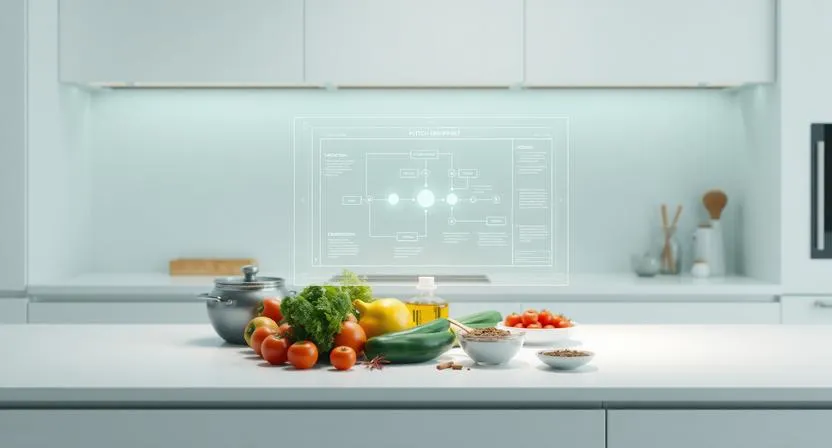
Mastering Kitchen Speed: Gastronomic Foundations of Efficiency
In the dynamic tempo of modern life, the process of preparing food is not just an act of nutrition, but also a strategic discipline of time management. In academic culinary arts literature, the preparation stage, known as 'mise en place' (everything in its place), accounts for 60% of kitchen efficiency. Practical recipes serve as operational diagrams that simplify complex techniques, preserve nutritional value, and reduce cognitive load. Being able to access this information independently of internet connectivity is the greatest logistical advantage supporting continuity and creativity in the kitchen. In this guide, we analyze the scientific foundations of fast and high-quality cooking.
Reducing Cognitive Load: The Psychology of Following a Recipe
The biggest obstacle encountered when cooking is the decision fatigue created by the question 'what shall I cook today?' Academic research shows that having a pre-determined and categorized pool of recipes increases creativity by lowering stress hormones. Presenting recipes in a systematic order (meat dishes, vegetables, legumes, etc.) triggers the brain's 'pattern recognition' mechanism. Having access to information at any moment, even in offline mode, allows the aspiring cook to focus more on techniques. Correct planning tunes the chaos in the kitchen into an aesthetic order.
Food Chemistry and Fast Cooking Techniques
Practicality does not mean compromising on quality; on the contrary, it means managing food chemistry correctly. For example, bringing the pan to the correct temperature to accelerate the 'Maillard reaction' or using the searing technique to protect the texture of proteins maximizes flavor while speeding up the process. As emphasized in academic gastronomy studies, methods such as 'blanching' (shock boiling), which preserves the nutritional value of vegetables, provide both color protection and shorten preparation time. Technical knowledge is your sharpest knife in the kitchen. Speed is a result of scientific accuracy.
Kitchen Ergonomics and Utensil Optimization
An efficient kitchen is not just about recipes, but also about the ergonomic layout of the workspace. From knife usage techniques to having kitchen equipment within reach, every detail affects processing time. An academic-level kitchen analysis mandates the elimination of 'waste of motion.' Adapting the 'golden triangle' rule (placement of refrigerator, stove, and sink) used in professional kitchens to the home environment minimizes physical fatigue. Correct use of equipment determines the mechanical speed in bringing recipes to life. Order is the mother of success.
Nutrient Density and Balanced Menu Design
When designing practical menus, the balance of carbohydrates, proteins, and fats (macronutrients) as well as vitamin and mineral (micronutrients) content must be observed. Academic nutrition guides state that one-pot meals both save time and help preserve vitamins that remain in the cooking water. Using seasonal products offers both an economic advantage and increases bioavailability. Cooking is the act of creating biochemical stores. Smart choices are the first investment in a healthy life capital.
Logistical Preparation: Offline Data and Independence
Dependence on technology can turn into a constraint with internet outages or weak signals. In a field that requires focus like the kitchen, being able to access recipes 'without internet' is a technical freedom. This situation, evaluated within the framework of academic 'ubiquitous computing,' means that information is as faithful as paper and as fast as a screen. Digital archives, making the heritage of thousands of years of culinary culture accessible in seconds, are the most loyal spiritual and physical guides of modern man. Independence is the foundation of dignity in the kitchen.
Sensory Analysis and Flavor Profiling
The flavor of a dish is a harmonious combination of taste, smell, texture, and visual presentation. In academic gastronomy training, the system called 'Flavor Network' examines the combined use of complementary components (e.g., tomatoes and basil). Practical recipes present these complex networks in their simplest and most effective form, developing the user's 'palate memory.' Every trial means a new sensory experience and a gastronomic awakening. Flavor is hidden in the harmony of details. Aesthetics is essential for the satisfaction of the soul.
Conclusion: Constructing a Gastronomic Mindset
In conclusion, the discipline of practical food preparation is not just about following a series of instructions, but about performing an art of living. Every kitchen process managed with correct methodologies, rich content, and a scientific perspective nourishes both the body and the mind of the individual. Remember that the kitchen is the laboratory of life; recipes are the radiant formulas in this laboratory. By adding the principles in this guide to your kitchen routine, transform cooking from a burden into a journey of pleasure and discovery. Enter your kitchen now and start writing your own gastronomic epic today.

Practical Recipes — Experience This Now
Download our app to explore all these features and more.