Pillars, Obligations, and Sunnahs of Hajj: Step by Step to the Grand Union
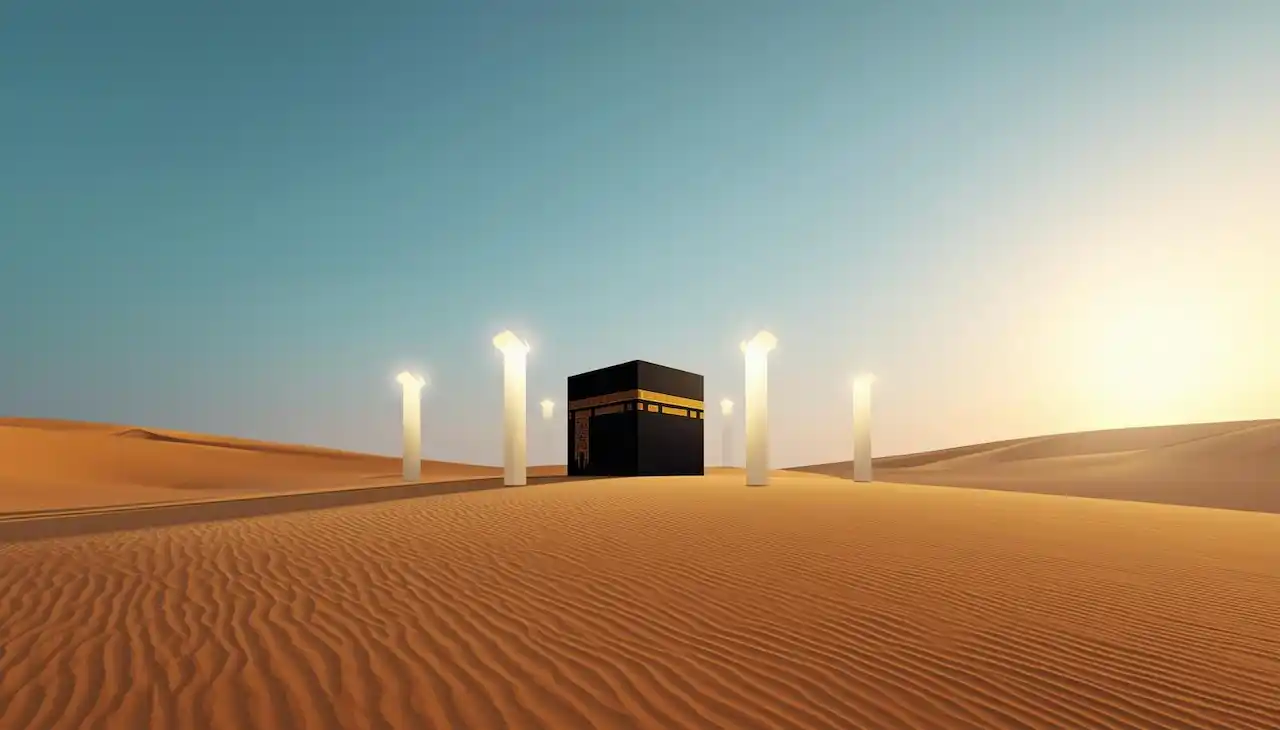
Hajj: One of the Five Pillars of Islam and the Believer's Greatest Test of Worship
Hajj is explicitly ordained in the Holy Quran and registered as a vital divine command, stated as "A duty mankind owes to Allah" (Al-Imran 97). This sacred act of worship is not merely a geographical relocation or a physical journey; it is an ontological return symbolizing the servant's total submission to their Lord, a complete detachment from the ties of the fleeting world, and a preparation for the Day of Judgment. For Hajj to be valid (sahih), one must clearly distinguish between its fard (obligatory), wajib (necessary), and sunnah (prophetic practice) elements from a jurisprudential perspective. Jurisprudential hierarchy is essential both for the legal validity of the worship and for fully gathering its spiritual fruits.
The Fundamental Pillars of Hajj: Fards and Rites
The pillars of Hajj, the indispensable fards, are three: Ihram, the standing at Arafat, and the Tawaf of Visit. Ihram begins with intention and the talbiyah. The pilgrim sheds their clothes, which serve as status symbols, and dons two pieces of white cloth to strip away worldly ornaments; this is a visual manifestation of 'dying before death' and absolute equality. The standing at Arafat is the very heart of Hajj. The Prophet (PBUH) sealed the importance of this moment by saying, "Hajj is Arafat." Being present at Arafat, even for a moment, from the sun's zenith on the 9th day of Dhu al-Hijjah until the morning of the Eid, is a condition for the acceptance of Hajj. Tawaf of Visit is the declaration of love and devotion to the Kaaba through a sevenfold circumambulation following Arafat. A Hajj performed without fulfilling these three fundamental pillars is not considered jurisprudentially complete.
Wajibs: Deeds That Complete and Discipline the Worship
Wajibs are significant deeds that follow the fards; while their omission does not invalidate the worship, it requires a sacrificial penalty (dam). These include standing at Muzdalifah, the stoning of the devil (jamarat) at Mina, animal sacrifice for those performing Hajj al-Qiran and Tamattu, the Sa’y between Safa and Marwa, and the farewell tawaf performed when leaving Mecca. Each wajib is a part of the struggle against the self (nafs) and divine discipline. The Mina and Muzdalifah processes are spiritual stations that test the servant's capacity for patience and tawakkul (reliance on God). Being conscious of these wajibs ensures the technical perfection of the Hajj.

Sunnahs and Prophetic Touches
Sunnahs are prophetic touches that refine the soul of the worship and increase the reward. Performing the arrival tawaf (Kudum), practicing ramel and iztiba during tawaf, saluting the Black Stone (Hajar al-Aswad), drinking Zamzam water abundantly, and praying with tears at the Multazam are elements that elevate this spiritual degree. Adhering to the Sunnah shows that Hajj is not just a ritual, but a journey of union conducted in the footsteps of the Prophet (PBUH). From drinking Zamzam to touching the cloth of the Kaaba, every sunnah reinforces the believer's divine love.
Ummah Consciousness and the Congress of Brotherhood
The rites of Hajj are built upon the method personally demonstrated by the Prophet (PBUH) during his Farewell Hajj. Complying with the prohibitions of Ihram, turning toward the heavens with the cry of "Labbayk" through constant talbiyah, and stoning one's own internal vices while throwing stones at Mina constitutes the pilgrim's journey of wisdom. Hajj is the world's largest congress of brotherhood. Millions of believers, regardless of wealth, knowledge, or race, meet in the same attire and face the same Qibla. This magnificent togetherness symbolizes the wahdah (unity) of the Ummah. A believer returning from Hajj hopes to have disciplined their soul, donned the cloak of patience, and attained a heart as pure as the day they were born.

Hajj and Umrah Guide — Experience This Now
Download our app to explore all these features and more.