Energy Transformations: Ending the Photosynthesis and Respiration Confusion
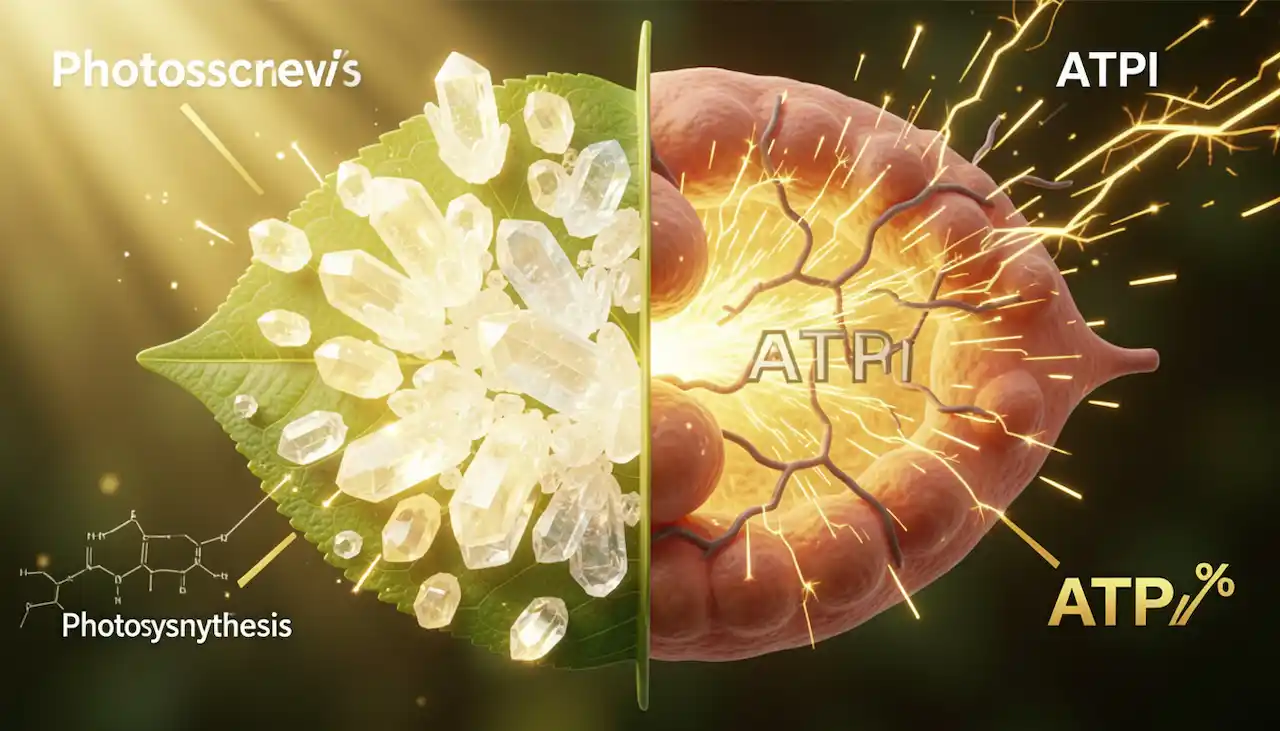
Core Processes: Life's Fuel ATP and Energy Flow
The only element necessary for the continuation of life is energy, and this energy never comes from nothing in nature; it only transforms from one form to another. One of the most fundamental and most confusing units of biology, 'Energy Transformations,' is actually the journey of light energy coming from the sun into the chemical bonds of organic nutrients, and from there into the ATP form that the cell can use. Understanding these processes means grasping the mechanics of life at the molecular level. Photosynthesis and Respiration are like two opposite poles of a cycle that complement each other. In this article, we bring academic clarity to these complex processes by simplifying them step by step.
Photosynthesis: The Art of Converting Light into Matter
Photosynthesis is the process by which chlorophyll-containing organisms synthesize organic nutrients from inorganic substances using light energy. This event occurs in two main stages: 'Light-Dependent Reactions' and 'Light-Independent Reactions' (Calvin Cycle). In the first stage, which takes place in the thylakoid membranes, oxygen is released through the photolysis of water, while in the second stage, which takes place in the stroma, CO2 taken from the atmosphere is converted into food. This tremendous ability of the chloroplast organelle forms the energy source for all life on earth. Evaluating factors affecting the rate of photosynthesis, such as light intensity, CO2 concentration, and temperature within the framework of the 'law of the minimum,' is critical for grasping the logic of the subject.
Chemosynthesis: Producers of the Dark World
Energy transformations are not limited to light alone. The use of chemical energy obtained by some prokaryotic organisms through the oxidation of inorganic substances instead of light energy for nutrient synthesis is called chemosynthesis. This event, which can occur uninterrupted day and night, is of vital importance, especially for nitrifying bacteria involved in the nitrogen cycle. Chemosynthesis is proof of how life can be sustained not only where the sun reaches, but even in the deepest and darkest points of the ocean. Not limiting the concept of production to plants alone is the most important academic step in broadening your biological vision.
Cellular Respiration: Releasing the Hidden Power in Nutrients
Cellular respiration is the process of converting chemical energy stored through photosynthesis into ATP so the cell can perform work. It is examined in three main branches: aerobic respiration (with oxygen), anaerobic respiration (without oxygen), and fermentation. The aerobic respiration journey, starting in the cytoplasm (Glycolysis) and continuing in the mitochondria (Krebs and ETS), is the energy production model where the highest efficiency is obtained. The fact that the glycolysis stage is common to all living things is one of the strongest molecular evidences showing the unity of life in the evolutionary process. Which path the cell will choose when energy needs increase depends on the enzyme systems it possesses and the environmental conditions.
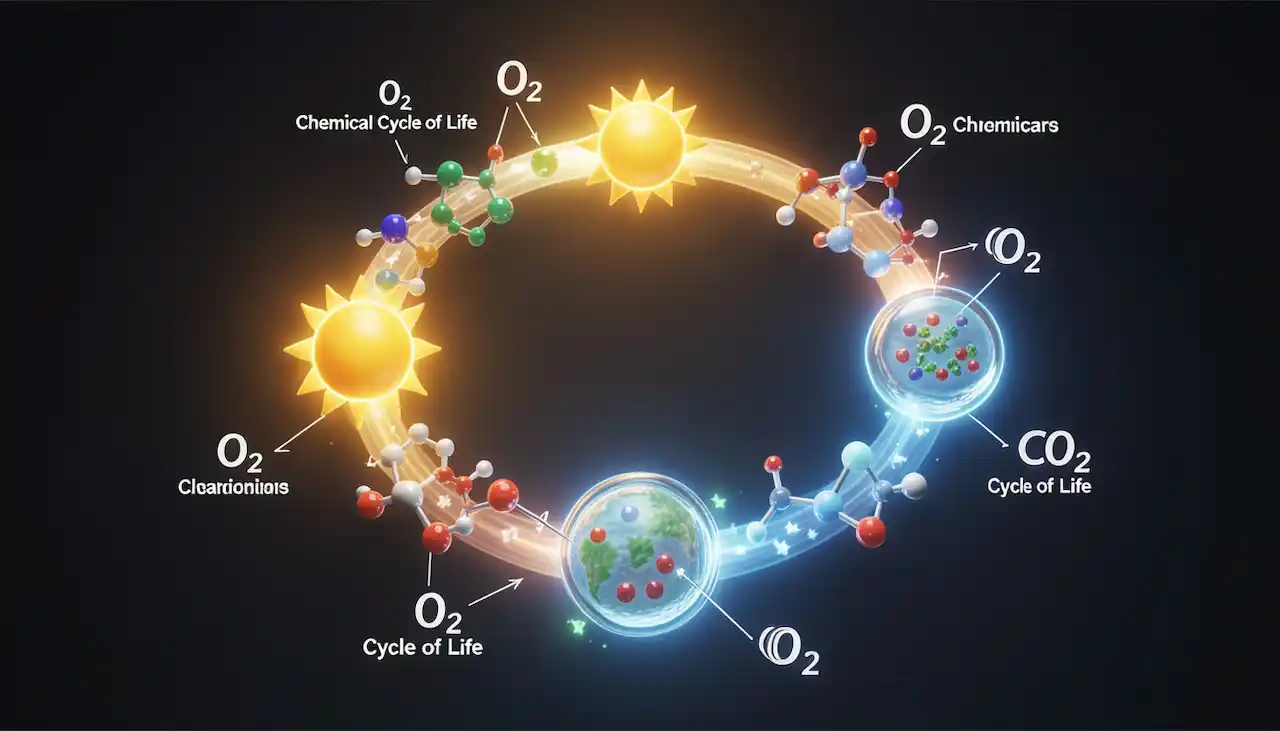
ETS and the Chemiosmotic Hypothesis: The Final Stage of Energy
The Electron Transport System (ETS), which functions in both the light-dependent stage of photosynthesis and the final stage of aerobic respiration, is the most technical part of energy transformations. The Chemiosmotic Hypothesis, which explains the synthesis of ATP thanks to the proton concentration difference (pH difference) between the membrane systems of the mitochondria or chloroplast, demonstrates the mathematical elegance of biology. The release of energy as electrons are transferred from one carrier to another, and the capture of this energy by the ATP Synthase enzyme, is the cell's most efficient energy harvesting method. Using the analogy of water flowing from a waterfall turning turbines while studying this section makes the process permanent in your mind.
Fermentation: Survival Strategy in Oxygen-Free Environments
Fermentation (ethyl alcohol and lactic acid fermentation), which occurs in cases where oxygen is insufficient or the enzyme system is not suitable, is not actually a full respiration, but a process that ensures the continuity of glycolysis. Lactic acid formed in our muscle cells during intense exercise or ethyl alcohol fermentation that allows dough to rise are biological events we frequently encounter in daily life. Although anaerobic energy production is low in efficiency, it is an excellent adaptation for emergency energy needs or oxygen-free habitats. Comparing the end products and net ATP gains of the processes saves lives in table questions you encounter in the exam.
Comparative Analysis of Photosynthesis and Respiration
You should see these two processes not as independent compartments, but as two sides of an equation. Photosynthesis is an anabolic (constructive) process, while respiration is a catabolic (destructive) process. CO2 and H2O, which are raw materials in photosynthesis, are the end products in respiration. While plants perform both events, animals only perform respiration. The energy cycle is the fundamental engine that ensures the sustainability of the ecosystem. Knowing that a plant performs both photosynthesis and respiration during the day, but only produces energy through respiration at night, forms the basic logic of ecological questions. This balance is the breathing of the biosphere.
Conclusion: Tracing Energy and Biological Success
In conclusion, the subject of energy transformations is the most abstract yet most regularly functioning system of biology. Instead of memorizing the processes, playing the movement of molecules in your mind like a film strip allows you to truly digest the subject. Make plenty of schematic drawings to gain academic clarity and note the similarities and differences by pitting the processes against each other. A student who traces energy will place all other subjects of biology on a much more comfortable ground. This in-depth preparation will gain you not just high scores in the exam, but also a great admiration for the miracle of vitality.

TYT AYT Biology Lectures & Summaries — Experience This Now
Download our app to explore all these features and more.