Nutrition in Pregnancy and Neuro-Development: An Analysis of Intelligence and Sensory Awareness

Conscious Nutrition and Intelligence: Nutritional Foundations of Neuronal Construction
A person's intelligence potential and cognitive capacity are largely shaped during the 280-day process in the mother's womb. Brain development is directly related to the nutrients and environmental stimuli the fetus is exposed to. From an academic perspective, nutrition during pregnancy feeds not just physical growth but also the process of 'synaptogenesis' (forming connections between neurons). The fact that 60% of the brain consists of fat highlights the importance of fatty acid composition in the diet. In this guide, we analyze the elements that support baby intelligence, from calcium to Omega-3, and music to auditory stimuli, with scientific depth. Intelligence is the result of a solid biochemical foundation laid in the womb.
Omega-3 (DHA) and the Architecture of Neural Networks
The most critical nutrient for fetal brain development is the Omega-3 fatty acid known as Docosahexaenoic Acid (DHA). DHA forms the membranes of nerve cells and increases the speed of signal transmission. Academic research shows that children of mothers who consumed sufficient DHA during pregnancy score higher in attention span, problem-solving ability, and hand-eye coordination tests. Walnuts, flaxseeds, and low-mercury seafood are primary sources of this need. The construction of brain tissue is like setting up a massive data center that takes place in seconds with these 'smart fats' consumed by the mother every day.
The Role of Calcium and Iodine in Cognitive Functions
Calcium is essential not only for bone development but also for the healthy transport of nerve impulses. However, the true hidden hero when it comes to baby intelligence is Iodine. Iodine manages the migration and maturation of fetal brain cells through the synthesis of thyroid hormones. Academically, iodine deficiency is the largest cause of preventable mental retardation. Similarly, 'Choline' found in egg yolks is a vital building block in the development of the hippocampus, the memory center. Every mineral added to the lunchbox is a silent investment in the baby's future academic success.
Neuro-Psychological Effect of Music and Auditory Stimulation
The fetus's hearing system becomes fully functional from the 24th week onwards. Rhythmic music (especially Baroque and Classical music) played from this period stimulates neural connections in the brain and supports spatial-temporal reasoning skills. Academic studies confirm that the complex mathematical structure of music increases the 'processing speed' in the baby's auditory cortex. The soft frequencies found in the mother's voice and lullabies create security anchors in the baby's limbic system (emotional center). Music is the most effective mental workout that activates both lobes of the brain simultaneously.
Folic Acid and Neural Tube Defect Protection
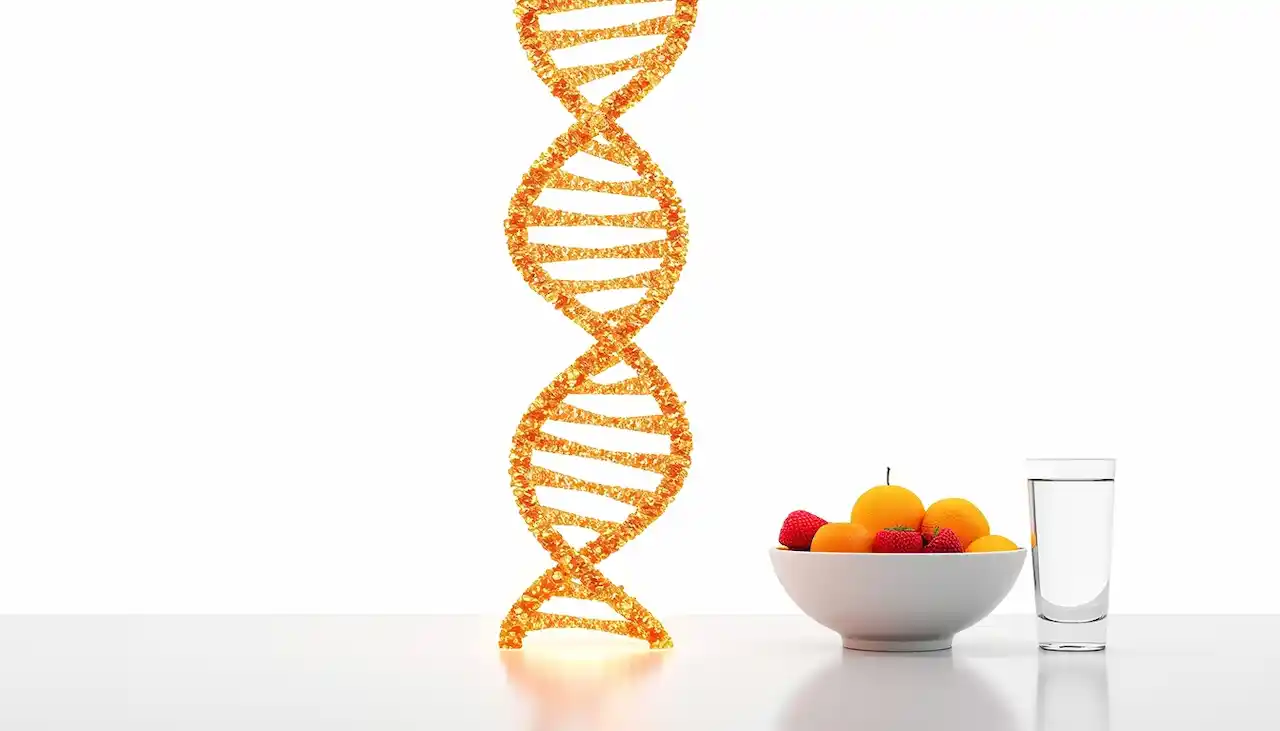
Folic Acid (B9), the key to cell division and DNA synthesis, is critical from the very beginning of pregnancy for the perfect closure of brain and spinal cord structures (central nervous system). Academic experience shows that children of mothers with high folate levels possess stronger verbal expression skills later in life. Green vegetables, legumes, and whole grains are the reservoirs of this luminous vitamin. This biochemical process forming the skeleton of the brain determines the quality of the 'cognitive hardware' the baby will use throughout its life. Vitamins are the invisible architects of intelligence.
Iron and Oxygenation: Source of Mental Energy
For the fetal brain to develop, it needs a continuous flow of oxygen. Anemia (iron deficiency) that may occur in the mother can restrict cognitive potential by reducing oxygen to the brain tissues. Academic hematology data proves that infants of pregnant women with solid iron stores show more organized sleep-wake cycles and motor responses. Iron intake supported by red meat, molasses, and vitamin C keeps the 'fuel' level in the baby's brain at its peak. Iron serves as molecular conductors that allow intelligence to shine. If there is no energy, development stalls.
Emotional Communication Between Mother and Baby (Epigenetics)
Intelligence must be nurtured not only at the molecular level but also in the emotional dimension. The peace and happiness the mother feels throughout pregnancy pass to the baby through the placenta via secreted endorphins. The academic science of 'epigenetics' emphasizes that environmental stressors can change the way genes are expressed. Talking to the baby, reading to them, and explaining the outside world allows the baby to lay the foundations of its 'vocabulary memory' before even being born. Emotional connection is an unshakable podium upon which cognitive development rises. Love is the most powerful catalyst for intelligence.
Conclusion: Tomorrow's Bright Minds are Being Built Today
In conclusion, the relationship between nutrition in pregnancy and baby intelligence is too critical to be left to chance. Consuming the right fats, minerals, and vitamins with a conscious plan, and utilizing the healing power of music and love, is the greatest legacy you can give your child. This 9-month process, managed in the light of scientific data, is the first laboratory for the questioning, problem-solving, and sensitive individuals of the future. Remember, the greatest discoveries begin with a well-nourished mind. Now, aware of this responsibility, continue to grow your baby's potential in a luminous way every single day.
Pregnancy Guide: Helpful Tips & Info — Experience This Now
Download our app to explore all these features and more.