Eye-Friendly Quran Reading: Digital Ergonomics and Visual Comfort Analysis
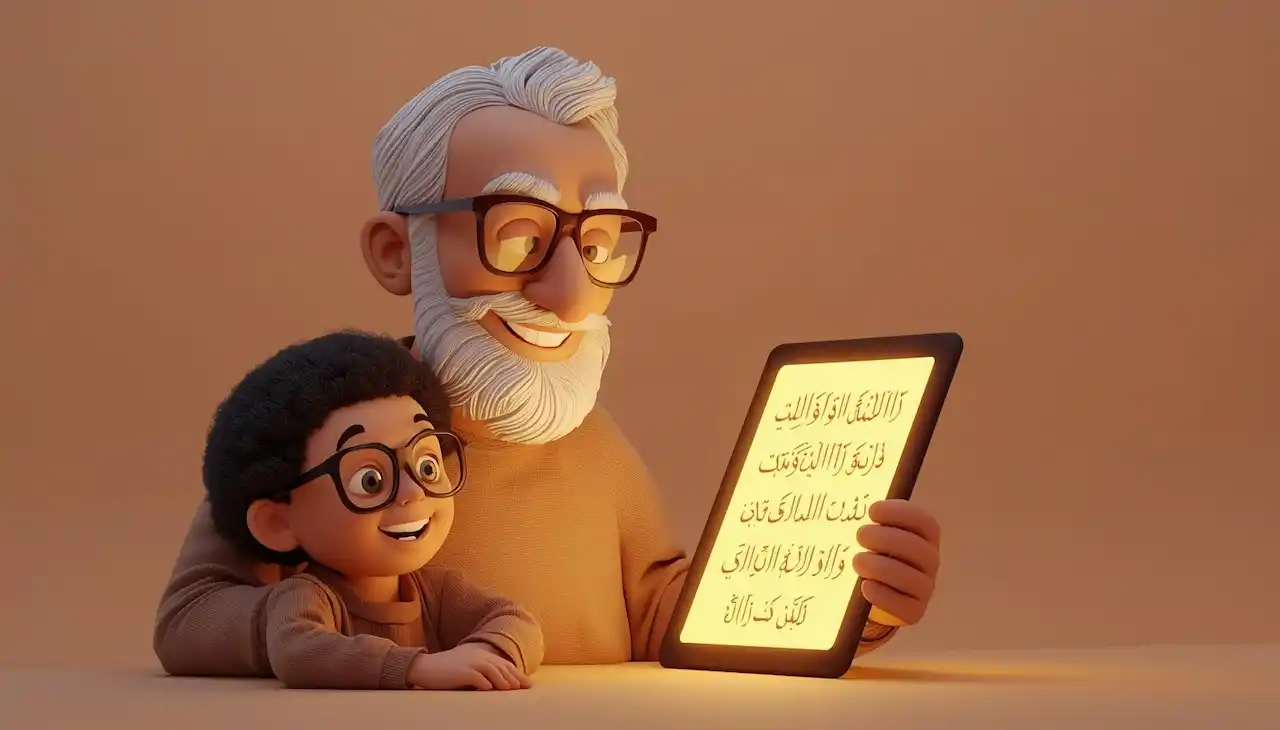
Comfortable Reading: The Importance of Visual Ergonomics in Digital Recitation
The act of reading the Holy Quran is a process that requires a high level of visual focus and attention. Carrying the traditional mushaf aesthetic to digital screens is not just a change of format; it is a matter of 'ergonomics.' From an academic perspective, the legibility of a digital text depends on the balance of factors such as background color, font design, and light intensity. A poorly designed digital environment can cause 'digital eye strain,' shortening the reader's focus time and dispersing their spiritual intensity. Eye-friendly themes are aesthetic shields that place technology at the service of worship.
Night Mode: Melatonin Protection and Dark Aesthetics
In environments with insufficient light or during readings before sleep, 'Night Mode' (dark mode) is a biological necessity. The high-energy 'blue light' emitted from digital screens disrupts sleep patterns by suppressing melatonin secretion in the brain. Academic studies show that using light-colored text on a dark background reduces light sensitivity and relaxes eye muscles. Dark blue, anthracite, or black themes preferred when reading the Quran make the radiant Arabic calligraphy more prominent. Darkness is the most faithful friend of concentration; it prepares the ground for the soul to reach tranquility.
Sepia and Parchment Themes: The Traditional Mushaf Feel
Eye health experts emphasize that very bright white screens create a 'snow reflection' effect, tiring the eye. At this point, 'Sepia' or 'Antique Paper' themes carry the warmth of traditional, handwritten mushafs to the digital screen. Soft yellow and cream tones minimize the amount of light reflection (glare), creating the ideal 'academic comfort' zone for long-term readings. Psychologically, these colors create a sense of 'peace and serenity' in the reader. This harmony of traditional aesthetics with modern technology transforms digital recitation from a mechanical act into a radiant art experience.
Typography and Font Selection: The Legibility Coefficient
The unique curves and vowels (harakah) of Arabic calligraphy can blur together in low-resolution or complex fonts. For a Quran reading experience at an academic level, 'Legibility' comes before everything else. Classic Naskh-based digital fonts that do not tire the eye and allow letters and vowels to be clearly distinguished reduce the margin of error to zero. The ability for the user to adjust font size provides accessibility for individuals with different visual capabilities. Words should be lined up on the screen like pearls; the eye should glide between letters without getting tired.
Light Intensity (Brightness) and Contrast Balance
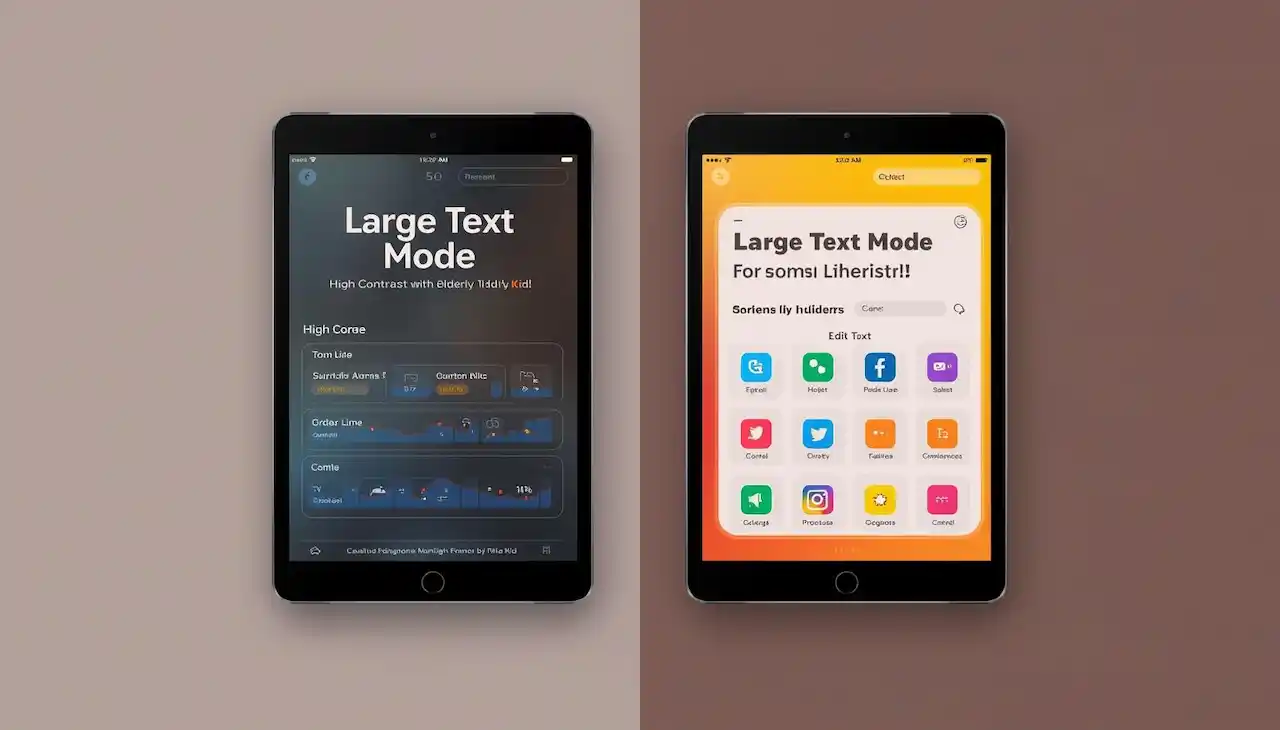
The most technical detail of reading comfort is the balance between screen brightness and ambient light. Looking at a very bright tablet screen in a very dark room increases eye fatigue by 40%. Modern digital platforms offer 'smart contrast' features to ensure this balance. Academically, it is recommended to keep the contrast between text and background in the 70-80% range. Using a very dark gray background instead of pure black prevents the 'halo effect' of letters, increasing reading speed and comprehension quality. Light should only enable seeing; it should not distract attention.
UX Design: A Simple Interface for Spiritual Focus
When reading the Quran in a digital environment, flashing ads on the edges of the screen or complex menus are the biggest parasites that break the mind's 'flow' state. Academic User Experience (UX) design rules mandate the use of a 'minimalist and clean interface' for content requiring spiritual focus. A 'full-screen reading mode' where only the verse and translation are present, and all toolbars can be hidden, isolates the mind from the outside world. Simplicity is the most elegant garment of spirituality. Design should serve as a bridge to remove obstacles between the reader and the divine word.
Eye Gymnastics and Digital Reading Discipline
Even if the best theme and font settings are made, the '20-20-20 rule' (looking 20 feet away for 20 seconds every 20 minutes) should not be neglected during long-term digital reading. Protecting the health of eye muscles is an academic necessity for the continuity of worship. Individuals reading the Quran in a digital environment should combine this technical discipline with their spiritual discipline. Eye-friendly themes are 'helper units' that facilitate this process. Care shown for eye health is actually a manifestation of respect for the body and recognizing the value of the blessing given. Health is the capital of a radiant life.
Conclusion: The Spiritual Meeting of Aesthetics and Comfort
In conclusion, eye-friendly Quran reading themes are not just technical options; they are aesthetic decisions that determine the quality, duration, and depth of worship. By choosing the color palette and font that suit you best, you can transform your digital screen into radiant mushaf pages. Every recitation performed with the right light, the right font, and the right theme will open more space for heart-felt contemplation by preventing mental fatigue. Remember that what is beautiful allows one to see the beautiful better. Now prepare the most peaceful reading environment for yourself and embark on a radiant journey in the infinite light of the verses, without tiring your eyes.

Holy Quran & Translation Pro: Ad-Free — Experience This Now
Download our app to explore all these features and more.