Music Education for Children: Piano Methodology and Cognitive Architecture
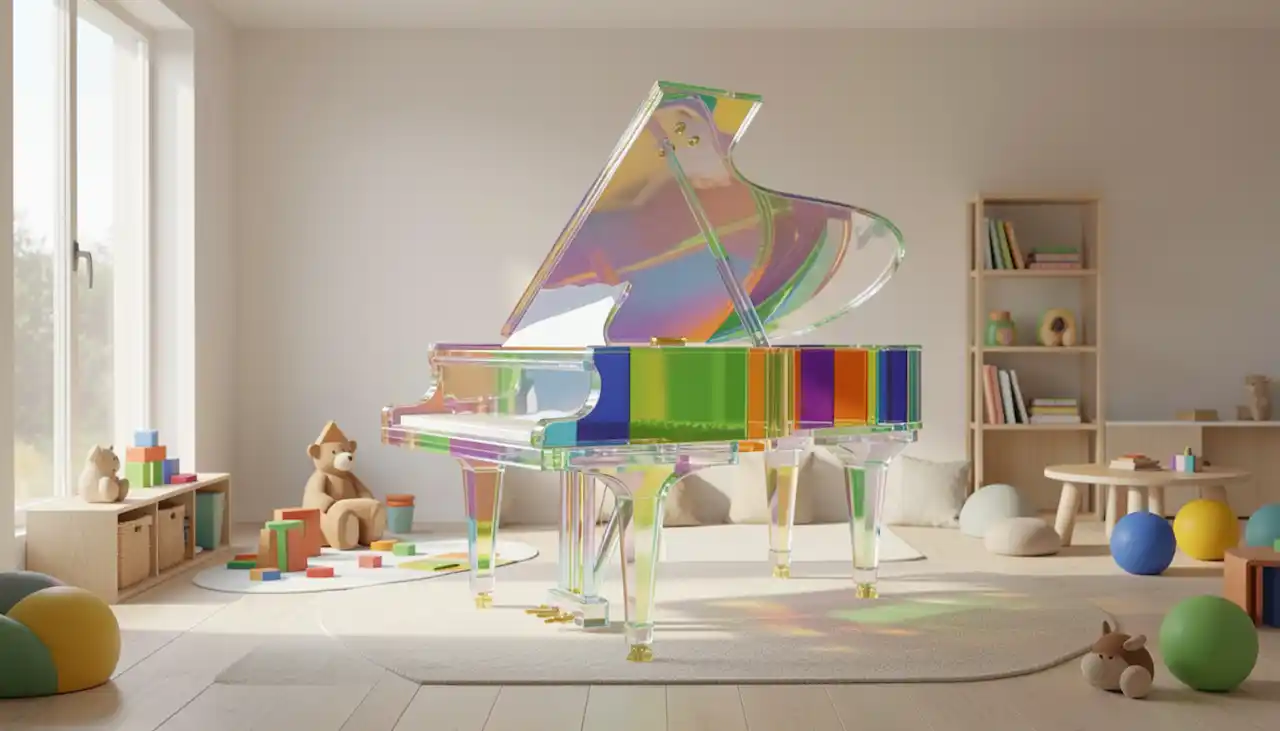
Music at an Early Age: The Melodic Key to Neuronal Development
Music education is a complex cognitive activity that triggers the brain's neuroplasticity at its peak during early childhood. A child's first contact with note systems, rhythmic patterns, and instrument sounds is not merely the acquisition of an artistic skill; it is a massive process of 'neural network construction' occurring within the prefrontal cortex. From an academic perspective, music is a universal system residing at the intersection of mathematics and language. Children who grasp the logic of polyphonic instruments like the piano through gamified content exhibit far more advanced cognitive agility in perceiving the world and processing data compared to their peers. In this guide, we examine the neurobiological foundations of musical stimulation in early years with scientific rigor.
Bilateral Brain Activation and Piano Discipline
Piano education, by its nature, requires the right and left hands to perform different tasks simultaneously (independency). This situation leads to the thickening of the 'corpus callosum,' the tissue responsible for data exchange between the two hemispheres, and increases synaptic speed. Academic research proves that children introduced to the piano develop spatial-temporal reasoning skills 35% more effectively than children exposed only to verbal stimuli. Transforming visual symbols (notes or keys) into physical movement builds unshakeable information highways between the brain's visual and motor cortices. Music is a magnificent conductor that activates every cell of the brain at once.
Play-Based Learning: The Power of Pedagogical Motivation
In childhood learning, the 'discovery-oriented gamification' model is the primary element that brings academic success, rather than 'didactic compulsion.' Digital or physical content that transforms piano keys into play areas eliminates a child's fear of failure and fuels their sense of curiosity. The fact that each key represents a different timbre ensures that cause-and-effect relationships are coded in the child's mind in their most joyful form. This deep focus process, referred to in academic literature as the 'Flow' state, naturally extends the child's attention span. Play is the most serious laboratory where a child tests the world and discovers their own talents.
Auditory Discrimination Ability and Phonetic Development
The 'auditory cortex' develops much more refinedly in children receiving music education. An ear capable of noticing sounds in different octaves, tonal differences, and rhythmic irregularities also decodes the phonetic structure of the native language and foreign languages much faster. Academic linguistics data confirm that children growing up with music possess a richer vocabulary and develop smoother pronunciation skills. The ability to correctly categorize sounds acts as a secret catalyst directly affecting reading and writing speed in later academic life. Music is the mathematical order of language felt through the ear.
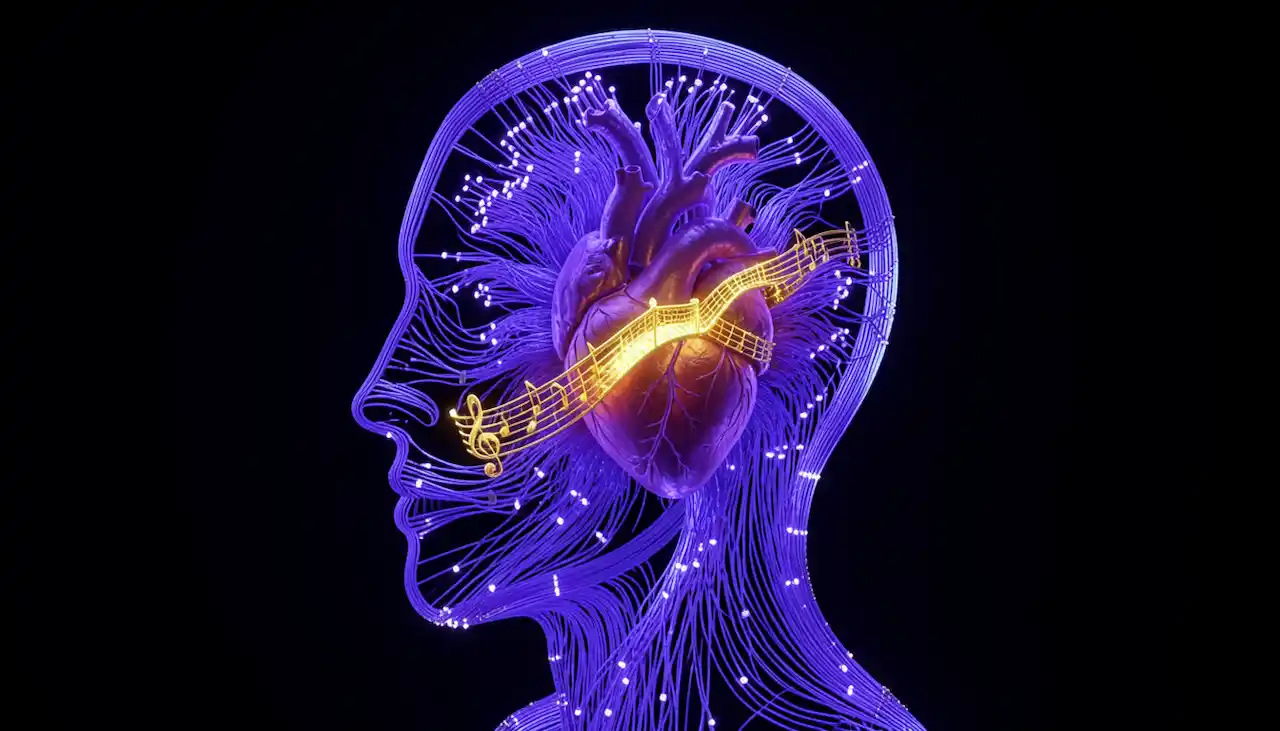
Psychomotor Coordination and Fine Motor Skills
Playing the piano is a 'fine motor' exercise requiring millimetric control of the nerve endings in the fingertips. The speed of pressing keys, pressure control, and timing support the development of the cerebellum, contributing to the child's overall physical coordination. As emphasized in academic rehabilitation studies, the independent movement capability of the fingers is the pinnacle of hand-eye coordination. This physical discipline ensures the child becomes more confident and talented not only in music but also in writing, drawing, or any field requiring technical manual skills. Power lies in the fingertips when they are commanded correctly.
Emotional Intelligence and Social Resonance
Music is the most intimate and powerful channel for the expression of the human soul. A child creating their own melodies or performing a piece gains high 'emotional regulation' skills by converting internal feelings—joy, sadness, excitement—into sound. Academic psychological data show that children playing an instrument have higher empathy skills and social adaptation capacities. A mind that grasps harmony within a melody analyzes social harmony more quickly. Musical participation takes the individual out of the narrow confines of their own ego and brings them into a collective aesthetic consciousness. Sound is the shortest path between hearts.
Pedagogical Limits and Advantages of Digital Instruments
Modern technology has brought piano education to an 'economic and technical' level accessible to every home. Smart applications and interactive screens provide instant feedback to the child, accelerating the learning curve. However, according to academic 'screen hygiene' rules, this digital experience must be supported by physical touch and parental involvement. Positioning technology as a 'pedagogical assistant' rather than a 'babysitter' places the child's digital literacy on a healthy foundation. The right software transforms complex music theory into luminous maps suitable for the child's cognitive level.
Conclusion: A Bright Future in the Light of Music
In conclusion, music education and piano games for children are not just leisure activities; they are a strategy for raising the intelligent, sensitive, and disciplined individuals of the future. Children who taste the order of notes, the patience of rhythm, and the joy of achievement at an early age will overcome all life's challenges with melodic intelligence. Be patient, let your child discover their own rhythm, and simply guide them on this radiant journey. Remember that every finger touching the piano keys is actually sketching the architecture of its own future. Now is the time to turn your home into a concert hall and awaken that hidden musician in your child's soul.

Cute Dog Piano: Music for Kids — Experience This Now
Download our app to explore all these features and more.