Summaries of World Classics: In the Footsteps of Universal Literature
A Quick Glance at the Classics: Anatomy of Texts That Transcend Time
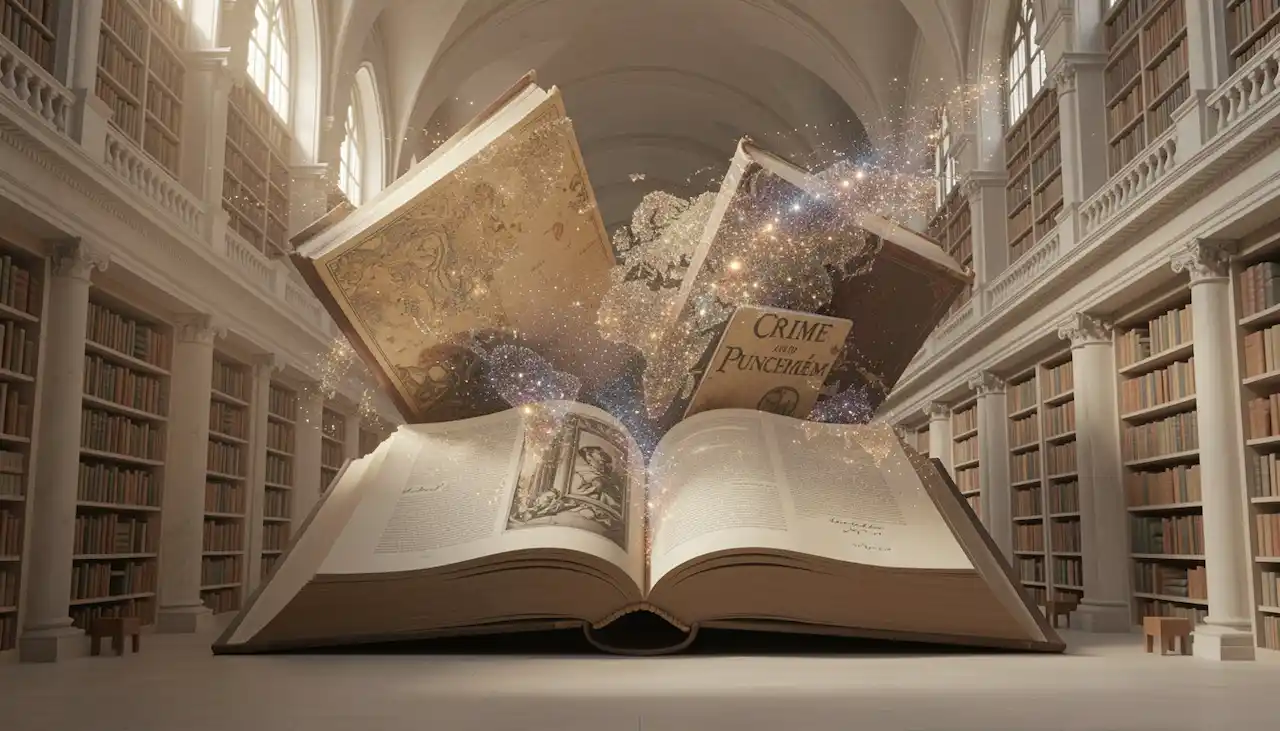
World classics are immortal works that form the collective memory not only of the period in which they were written but of human history itself. For a work to earn the title of 'classic,' it must transcend geographical boundaries and address universal themes that remain relevant even centuries later. From an academic perspective, classic novels are immense laboratories where sociology, psychology, and philosophy are melted into the crucible of literature. Reading these works or examining their analyses expands an individual's intellectual world while allowing for reflection on the deepest secrets of human nature. Classics serve as compasses sent from the past to the future, written in a language that never grows old.
Les Misérables: Conscience, Justice, and Social Decay
Victor Hugo’s monumental work 'Les Misérables' transforms the social structure of 19th-century France into a moral lesson through the character of Jean Valjean. While the novel recounts the process of a man 'purifying' and becoming saintly after his life was ruined for stealing a loaf of bread, it symbolizes the relentless conflict between 'rigid law' and 'conscientious mercy' through Inspector Javert. In this work, Hugo does not merely tell a story of escape; he also proves how poverty, lack of education, and prejudice can create prisons. Every line of the novel is an epic journey extending from the darkest depths of the human soul to its highest peaks.
Crime and Punishment: The Dark Labyrinths of the Human Soul
Dostoevsky’s 'Crime and Punishment' stands as one of the most powerful psychological dramas in literary history. The murder committed by Raskolnikov based on his claim of being a 'superior man' actually exposes the ontological destruction created when an idea is transformed into action. The internal conflicts at the center of the novel show the weight of crime on the conscience and demonstrate that real punishment is experienced not behind bars, but within the individual. Dostoevsky analyzes a person’s battle with their own inner voices so deeply that the reader feels crushed alongside Raskolnikov under that heavy burden in the streets of St. Petersburg. Salvation is only possible through sincere repentance and love.
Don Quixote: The Birth of the Modern Novel and Idealism
Cervantes’ 'Don Quixote' is a revolutionary masterpiece considered the beginning of the modern novel. This work, which satirizes chivalric romances, actually tells the tale of the thin and sometimes tragic line between dreams and reality. The 'Knight of the Sorrowful Countenance' waging war against windmills and his realistic squire Sancho Panza symbolize the two opposite poles of human nature: idealism and pragmatism. This example of the classics, which is both the most cheerful and yet the most sorrowful, conveys man's effort to construct his own truth and his loneliness in the reinforced world of his dreams through lyrical language. Don Quixote is the undefeated dreamer of every era.

Madame Bovary: Realism and Disappointments
Gustave Flaubert’s 'Madame Bovary' is one of the pinnacles of realist literature. While the novel recounts the tragic end of Emma Bovary as she tries to escape the monotony of provincial life, it depicts the collision of romantic fantasies against the hard walls of real life. Flaubert’s search for 'le mot juste' (the right word) brought this work to linguistic perfection. The work analyzes the individual's entrapment between social norms and their own desires, making an early-period critique of consumer culture and dissatisfaction. Emma is the most concrete reflection in literature of the unquenchable desire of the modern human.
The Art of Reading Classics and the Analytical Approach
Reading a classic only for its plot is like watching an ocean from the shore. The symbols, metaphors, and subtexts contained in these works must be examined in depth. In an academic analysis process, the political and philosophical atmosphere of the period (Zeitgeist) should be taken into account. For example, while reading Dickens, it is essential to understand the devastating impact of the Industrial Revolution on child laborers; while reading Tolstoy, one must grasp the spiritual crises of the Russian nobility. Analytical reading is an active dialogue established with the text; it is questioning 'how and why' the author says something rather than just what they say.
The Evolution and Interaction of Genres in World Literature
Classics are a giant genetic map showing how literary genres (tragedy, realism, naturalism) were born and how they fed each other. The sociological observations in Balzac’s 'The Human Comedy' series laid the groundwork for Emile Zola’s experimental novels. Similarly, the deep character analyses in Shakespeare’s plays directly influenced the psychological layers of the 19th-century novel. This continuity removes literature from being disconnected pieces and turns it into a shared narrative tradition of humanity. A mind that examines the classics gains the equipment to grasp aesthetic transformations across all branches of art.
Conclusion: Becoming an Heir to the Universal Cultural Heritage
In conclusion, world classics are immortal compasses that map the human heart. To read them is to sit at the same table with giant minds who lived in different centuries and geographies. The journey you take through the summaries and analyses of these works is not just a process of acquiring information; it is a spiritual maturation and an intellectual awakening. Classics remind us that no matter our language, religion, or race, our pains and hopes are shared. Now, are you ready to explore this luminous world behind the dusty shelves and listen to that immense voice of human history?

Novel Summaries: World Classics & Local Works — Experience This Now
Download our app to explore all these features and more.