Ending the Confusion of Traffic Signs: Practical Memorization and Analysis Methods
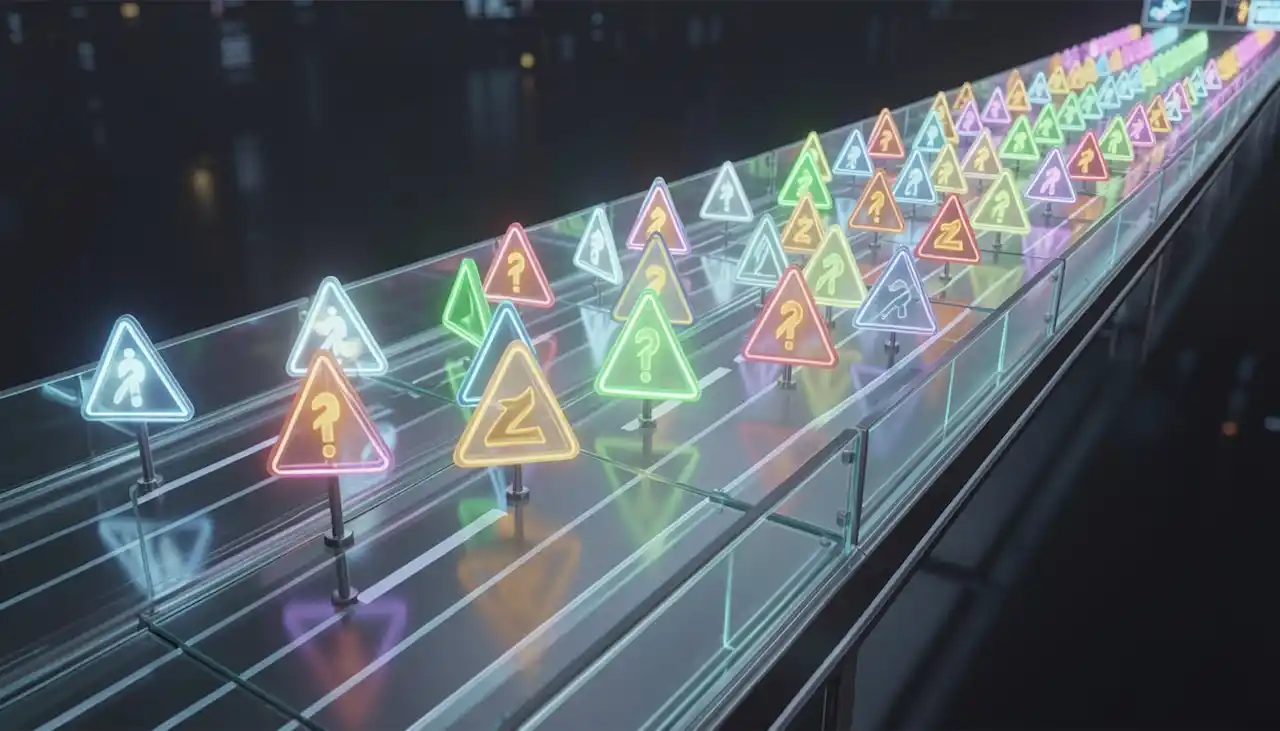
Visual Traffic Education: The Semiotic Language of Signs
Traffic signs are the universal language of the roads and the most fundamental symbols that provide communication between drivers and the road. For driver candidates preparing for the driving license exam, these thousands of visual symbols can sometimes turn into an inextricable mess. However, the design of the signs is not accidental; it is based on a specific semiotic (science of symbols) logic. Grasping what colors and geometric shapes mean allows you to make sense of thousands of signs within a single system. In this article, we examine the most frequently confused signs and academic memorization techniques to resolve this confusion.
The Secret Message of Geometry: Grouping by Shapes
The most scientific way to memorize signs is to categorize them according to their shapes. Triangular Signs warn you of potential dangers ahead on the road (Caution, slippery road, pedestrian crossing, etc.). Circular Signs generally express prohibitions or restrictions (No entry, speed limit, no right turn, etc.). Square and Rectangular Signs serve the purpose of providing information. When you know this basic distinction, even if you cannot remember the exact meaning of a sign, you can instantly solve which category it belongs to and what kind of message it gives you (warning or prohibition?). Shape determines the tone of the message.
The Psychological Effect of Colors and Their Semantic Correspondence
Each of the colors used in traffic signs is compatible with universal reactions in human psychology. Red reinforces the 'stop' or 'do not' message by giving a signal of danger and urgency. Blue generally represents an obligation or guidance; it says 'you must go this way' or 'this is a parking lot.' Yellow is used to indicate temporary situations and construction areas because it is the color that the eye perceives fastest and pays most attention to. Remembering this psychological depth of colors while solving sign questions in the exam will make it easier for you to perform logical elimination.
The Most Confused Duos: Stop vs. Give Way
At the top of the sign groups where driver candidates make the most frequent mistakes in the exam are signs that look similar but have different priorities. 'Give Way' (inverted triangle) and 'Stop' (octagon) signs are the keys to intersection management. While the inverted triangle tells you that you should give priority to vehicles on the main road, the octagonal stop sign commands that the wheels must absolutely stop even if the road is empty. The shapes of these two signs being different from the others (inverted triangle and octagon) is so that they can be recognized by the driver even from the back when they are covered with snow in winter. This is a design detail of engineering marvel.
Parking and Standing Prohibitions: The Fine Line
Another focus of confusion is the parking and standing signs. A single red line inside a circle means 'No Parking,' while a cross (two lines) indicates that both parking and standing are prohibited. Coding this distinction as 'as the number of lines increases, the severity of the prohibition increases' ends the hesitations at the moment of the exam. Additionally, paying attention to the color difference between speed limit signs and minimum speed signs (red border vs. blue background) prevents technical point losses. Cognitive association is the strongest rival of dry memorization.
Dynamic Signs and Changing Road Conditions
Signs that change according to weather conditions and the structure of the road (such as foggy road, loose slope, hidden icing) test the driver's foresight. While learning these signs, you should imagine them not alone but within a road landscape. For example, when you see the 'wind sleeve' sign, you should think not only of the sign but of a bridge deck where your vehicle might be tossed about due to side winds. This type of contextual learning ensures that the information kicks in as a reflex not only in the exam but also during actual driving. Signs are the road's way of whispering to you.
Motor Learning and Drawing Technique
One of the most effective learning ways for students is to draw the 10 most confused signs on a piece of paper with their own hands. Hand and eye coordination (motor learning) is one of the strongest neural pathways that ensure information remains permanent in the mind. Painting the color and writing the meaning under the sign while drawing it activates both the right and left lobes of the brain at the same time. Keeping a sign diary with analog methods will bring academic success as much as solving sign tests in a digital environment. Codes you create yourself are always more valuable than someone else's ready-made notes.
Conclusion: Sign Literacy in Traffic Culture
In conclusion, knowing traffic signs is not just an obligation required to pass the driving license exam; it is a vital piece of equipment that keeps you alive on the roads. When you see the signs not as prohibitors but as loyal guides showing you the way, the learning process will become much more enjoyable. In the 2026 exam standards, candidates with a high level of visual literacy are always one step ahead. By applying the techniques in this guide, you can solve the sign questions you encounter in the exam without error and take your place among the conscious drivers of the future.
Driving Lessons & Exams 2026 — Experience This Now
Download our app to explore all these features and more.