Methodology for Memorizing Prayer Surahs: Cognitive Memory and Phonetic Accuracy
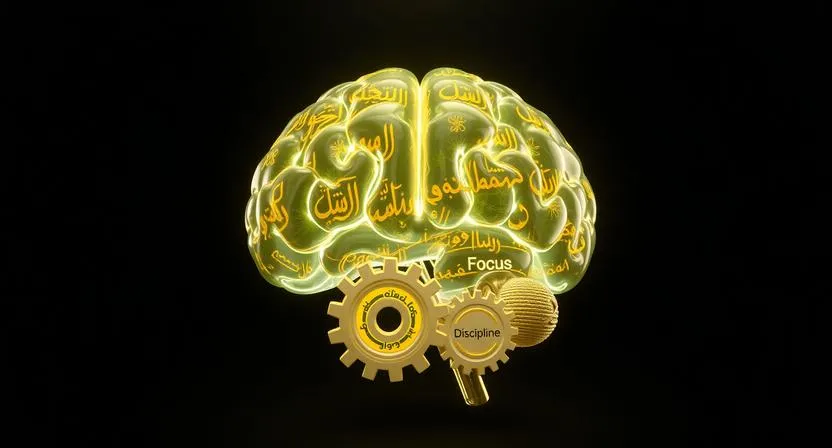
The Easiest Method for Memorizing Surahs: A Cognitive Approach
Memorizing specific sections from the Holy Quran is not just a religious obligation; it is an intellectual activity that enhances the mind's focus and neuroplasticity. From an academic perspective, the process of memorizing prayer surahs is the transfer of information from working memory to long-term memory. The most effective methods used for this transfer to be permanent and error-free are 'spaced repetition' and 'auditory modeling.' Working by dividing the text into 'chunks' reduces the cognitive load, protecting the mind from overwhelm. A proper start is the unshakable foundation for a lifelong discipline of recitation.
Auditory Memory and the Pedagogical Role of the Vocal Model
In Islamic tradition, learning the Quran has historically been based on the principle of 'sama’i,' or learning by hearing. Memorizing a surah solely by looking at the text can cause errors in emphasis and pauses (waqf) to become permanent (fossilization). The practice of instantly imitating the voice heard, known in academic literature as the Shadowing method, perfects motor memory and articulation phonetics. Memorization work conducted by taking the voice of a professional qari as a reference creates a flawless phonetic prototype in the mind. Once the ear becomes accustomed to the correct frequency and rhythm, the tongue begins to automatically correct improper inflections. Sound is the soul of the word.
Tajweed and Makhraj: The Mathematical Order of Sound
The most critical academic threshold in surah memorization is the correct application of tajweed rules and the points of articulation (makhraj). Arabic is one of the most technical languages in the world in terms of its sound structure, and the mispronunciation of a single letter can completely alter the semantic value of a verse. Tajweed is a protective shield that preserves the original vocal DNA of the Quran. Incorporating makhraj knowledge into the memorization process ensures that the student does not just memorize a text, but integrates into the aesthetic and divine order of that text. Recitations performed with rhythmic order (prosody) stimulate alpha waves in the brain, creating a state of meditative tranquility. Phonetic accuracy is a requirement of academic respect for the text.
Cognitive Mapping and Semantic Association
One of the most powerful elements that increases the permanence of memorization is 'meaning-making.' Instead of merely memorizing the wording of a surah, knowing the logical connection between verses and their translation creates a semantic map in the mind. Academic research proves that texts whose meanings are known are memorized 60% faster and are harder to forget. Pairing each verse with an image in the mind serves as a triggering cue during the retrieval process. Revelation that meets meaning finds a deeper place in the heart and mind. Knowledge only becomes our property to the extent that it is understood.

Time Engineering and Micro-Memorization Routines
Time constraints, the biggest obstacle for modern humans, can be turned into an advantage in the surah memorization process. 'Micro-memorization' sessions of 5-10 minutes spread throughout the day allow the brain to process information without fatigue. Academically, the 'pre-sleep learning' effect shows that a surah repeated just before bed is more efficiently consolidated by the brain during sleep. A short repetition in the morning with a fresh mind seals the information from the previous night. Disciplined time management offers far higher efficiency than scattered study. Consistency is the unshakable guardian of success.
Error Analysis and Effective Feedback Mechanisms
Errors made during the memorization process are the most concrete data for progress. In an academic learning process, the student recording their own voice and comparing it with the original recitation is the most powerful method of 'formative feedback.' Identifying for oneself which letter's makhraj or which word's vowel (haraka) was mistaken increases cognitive awareness. 'Repeat modes' and 'segmentation features' offered by digital platforms allow the candidate to return to their weak points in seconds. Confronting errors paves the way to perfection. Self-regulation is the pinnacle of intellectual competence.
Psychological Preparation and Depth of Focus
The act of memorizing surahs requires a high level of 'selective attention.' Work conducted in a quiet and dignified environment, free from external stimuli, allows the mind to enter a state of 'flow.' Academic psychological data confirms that rhythmic actions such as prayer and Quranic recitation lower anxiety levels and increase cognitive performance. Maintaining a sense of 'self-efficacy' is vital for the sustainability of motivation. Every new surah is a mental victory, and these victories build the individual's spiritual self-confidence. Serenity is the key to comprehension.
Conclusion: A Mental Transformation in the Light of the Word
In conclusion, memorizing prayer surahs and listening with audio guidance are invaluable stops in one's spiritual navigation. Every individual who combines scientific methodologies, correct phonetic models, and a meaning-oriented approach will successfully complete this radiant path. Remember that memorization not illuminated by knowledge is always destined to remain incomplete. By applying the principles in this guide to your life, transform your prayers from mechanical repetitions into conscious reunions. Now, take your intention, listen to the radiant sound of the first verse, and begin this unique journey of discovery today.

Audio Prayer Surahs & Translation — Experience This Now
Download our app to explore all these features and more.