Healthy Sleep Routines in Infants and the Pedagogical Importance of Lullabies
Sleep Patterns: The Key to Neurological Development in Infancy
Sleep in infants is not merely a process of physical rest; it is a vital phase where brain development flourishes, learned information is categorized, and growth hormones are secreted. A newborn's way of perceiving the world is largely shaped by the quality of their sleep. Academic research indicates that infants with a regular sleep routine possess significantly more advanced cognitive functions and emotional regulation skills. Lullabies, the greatest allies for parents in this journey, are more than just melodies; they are a spiritual shield that builds a baby's sense of security, regulates heart rhythm, and protects them from the chaotic sounds of the outside world.
The Acoustics of Lullabies: A Phonetic Bond of Trust
Throughout history, lullabies have served as a universal language used across all cultures to soothe infants. The hallmark of these melodies is their typically low frequency, rhythmic, and repetitive structure. Scientifically, such sound patterns lull a baby's brain waves into a relaxation mode, activating the parasympathetic nervous system. That rhythmic heartbeat and fluid sounds the baby grew accustomed to in the womb share a striking similarity with the beats found in lullabies. This auditory familiarity sends a 'you are safe' message to the infant. The phonetic bond established through lullabies also constitutes the earliest step in language development.
Establishing a Sleep Routine: Circadian Rhythm Management
An infant's biological clock, known as the circadian rhythm, is not fully developed at birth. A consistent routine is essential for them to understand the distinction between night and day and to turn the transition to sleep into a habit. Dimming the lights in the evening, a warm bath, and then playing soothing lullabies send a signal to the brain to release melatonin. These ritualized actions lower the baby's anxiety levels, facilitating the transition into deep sleep (REM and Non-REM stages). Routine eliminates uncertainty, creating a perception of order in the baby's mental world.
Balanced Use of Visual and Auditory Stimuli
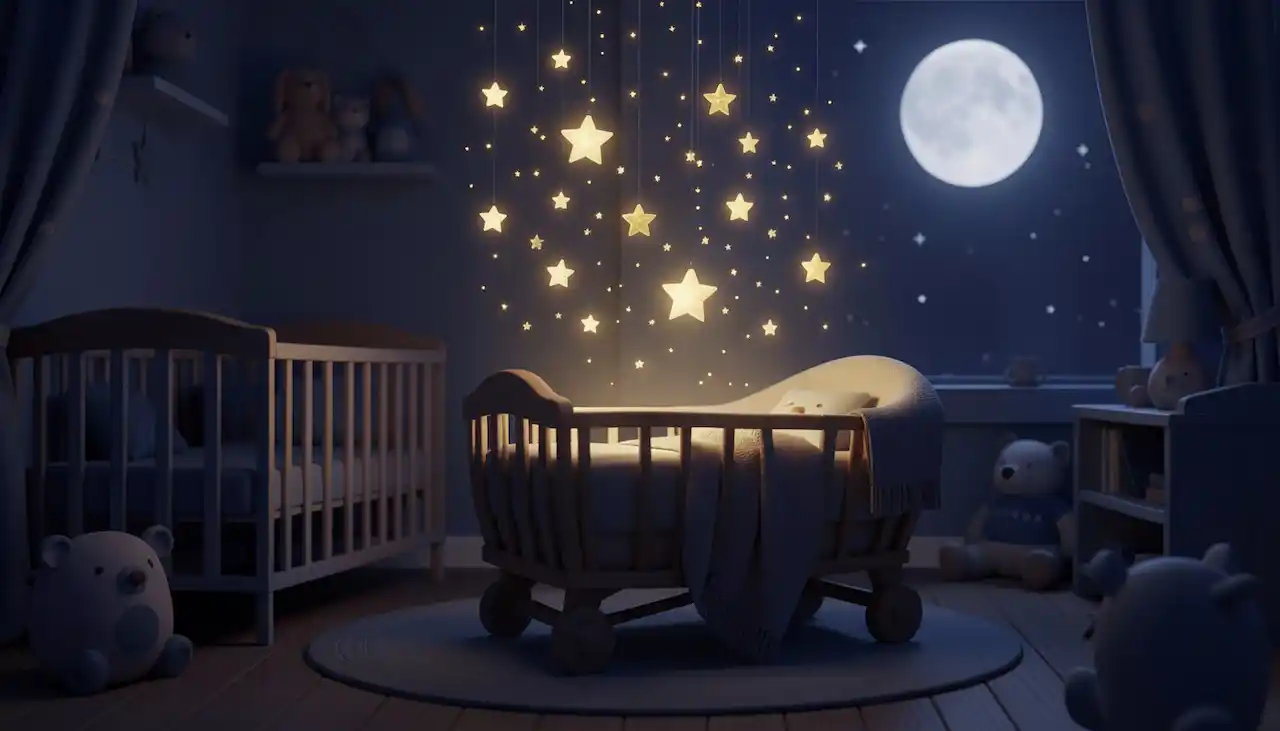
In modern parenting, lullabies are now supported not only by sound but sometimes by visual materials like video lullabies. At this juncture, 'stimulus balance' requires academic precision. Visuals used during the sleep transition should not be too fast, bright, or loud; rather, they should feature soft color transitions and fluid animations. Minimalist visuals increase the infant's attention span while allowing them to calm down without overstimulating the brain. The fusion of auditory data with visual aesthetics contributes positively to the baby's sensory integration process.

The Impact of Lullabies on Emotional Intelligence and Attachment
Listening to a lullaby creates an invisible bond between the infant and the caregiver. The tenderness and serenity embedded in the melodies reinforce the feeling of 'being loved and protected' in the baby's subconscious. This forms the basis of the theory known in psychology as 'Secure Attachment.' The first seeds of emotional intelligence (EQ) are sown during these peaceful moments of sleep. The baby learns to calm down and manage their own emotions—self-soothing—thanks to this tranquil atmosphere provided to them. A lullaby is a silent yet powerful tool for character building within the baby's spiritual world.
Sound Therapy: The Role of White Noise and Natural Sounds
Some infants may find sounds resembling the hum of the womb (white noise) more relaxing than total silence. The sound of rain, the howling of the wind, or a gentle hairdryer sound masks sudden and startling external noises, preventing sleep interruptions. Known in academic circles as 'Sound Masking,' this technique is a lifesaver, especially for light sleepers. Blending these sounds with lullaby melodies not only shortens the time it takes to fall asleep but also minimizes awakenings, thereby supporting the baby's cellular regeneration process.
Acoustic Hygiene and Environment Conditions in the Nursery
A healthy sleep routine should be complemented not just by sounds, but also by the physical conditions of the room. Ideal room temperature (between 18-22 degrees Celsius), proper ventilation, and the ability to completely black out the room directly affect sleep quality. Positioning audio devices or lullaby sources at least 2 meters away from the baby's bedside is crucial for acoustic hygiene and electromagnetic safety. Keeping the sound level lower than a normal conversational tone (approximately 50 decibels) protects the infant's delicate ear structure while creating the desired sedative effect.
Conclusion: Peaceful Sleep, Healthy Future
In conclusion, lullabies and sleep routines are the most strategic investments in an infant's development. Providing the right melodies, the right visuals, and the right environment gives the baby not just a good night's sleep, but a robust nervous system and a high capacity for learning. Parents managing this process with patience and in the light of scientific data is the first step toward raising the peaceful and intelligent individuals of the future. It must be remembered that an infant growing up with tranquil sleep will establish a much more harmonious bond with the world. Now is the time to entrust your baby's dreams to the luminous wings of lullabies.

Lullaby and Tale World: Baby Sleep & Development Guide — Experience This Now
Download our app to explore all these features and more.