Characteristic Features of the Literary and Scientific Language of the Ottoman Era
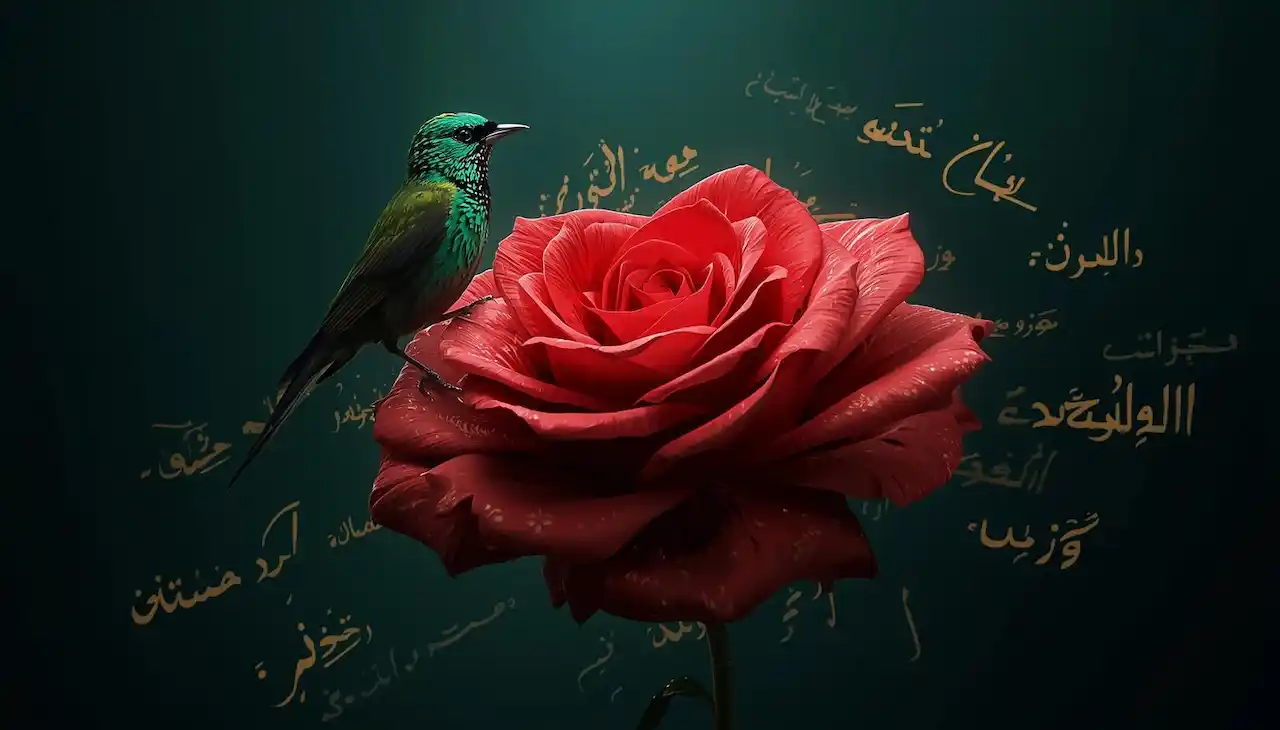
Ottoman Literary and Scientific Language: The Dance of Words with Aesthetics and Wisdom
In Ottoman civilization, the language of literature and science displays a world-class aesthetic understanding and scientific depth. Divan literature, in particular, reached the pinnacle of verbal arts with genres such as the ghazal, qasida, and mathnawi. The most prominent feature of this literary language is that it is full of metaphors, allegories, ironies, and allusions. For an Ottoman poet, a word is not just a collection of sounds, but a gem carrying thousands of years of cultural codes. One who learns this language does not merely read a text; they discover the subtle wit, literary genius, and Sufi secrets hidden between the words by the poet. Ottoman literary language is a school of courtesy and grace that disciplines the soul. Literary arts form the very soul of Ottoman Turkish.
The Logical Weave and Conceptual Richness of the Language of Science
In the Ottoman world of science, language is structured to seek precision and depth. In fundamental Islamic sciences such as jurisprudence, exegesis, hadith, theology, and Sufism, Arabic and Persian terms were used extensively. However, the use of these terms within Turkish grammar allowed for the emergence of a 'Turkish interpretation' of Islamic civilization. Ottoman scholars refashioned the classical Islamic heritage with this language and gave it a systematic structure. The dignified and logical weave of the scientific language grants the reader a disciplined mode of thinking. Reading these works in their original language allows one to capture the subtleties of meaning often lost in translations and the true essence of technical terms. The language of the ulema formed the intellectual backbone of the empire.

Diversity of Style: A Stylistic Analysis from Edicts to Ghazals
One of the most fascinating features of Ottoman Turkish is its stylistic richness that changes according to the field of use. The language used in an imperial edict or a code of law is extremely dignified, clear, and authoritative. In contrast, the language in a ghazal takes on the most delicate forms of love and longing. In endowment deeds, the warmth of a prayer is felt, while in court records, the full reality and simplicity of social life are apparent. This stylistic diversity (Munshat), which varies according to social strata, actually shows how flexible and rich the language truly is. Being able to decode both styles today helps us grasp the Ottoman centuries with a holistic perspective. The balance of prose and verse is the aesthetic success of Ottoman Turkish.
A National Treasure to be Passed to Future Generations
The literary and scientific language of the Ottoman period is one of the most brilliant products that Turkic-Islamic civilization has added to the world heritage list. Learning this language is not just about recognizing 'old letters,' but about carrying the spirit, courtesy, and wisdom those letters bear into the present day. To experience the depth of a couplet in Divan poetry, the stages of self-discipline in a Sufi text, or the vividness of a historical chronicle in its original language is a unique cultural pleasure. For every descendant of the Turks, this heritage is a national treasure that must be protected. By learning this language, we can mend the ruptures with our history and walk more confidently toward our future. Ottoman Turkish is a torch illuminating the future with the light of the past, and we are the generations entrusted with carrying it forward.
Learn Ottoman Turkish: Lessons — Experience This Now
Download our app to explore all these features and more.