The Munajats of the Prophet and the Spiritual Legacy He Left to the Ummah
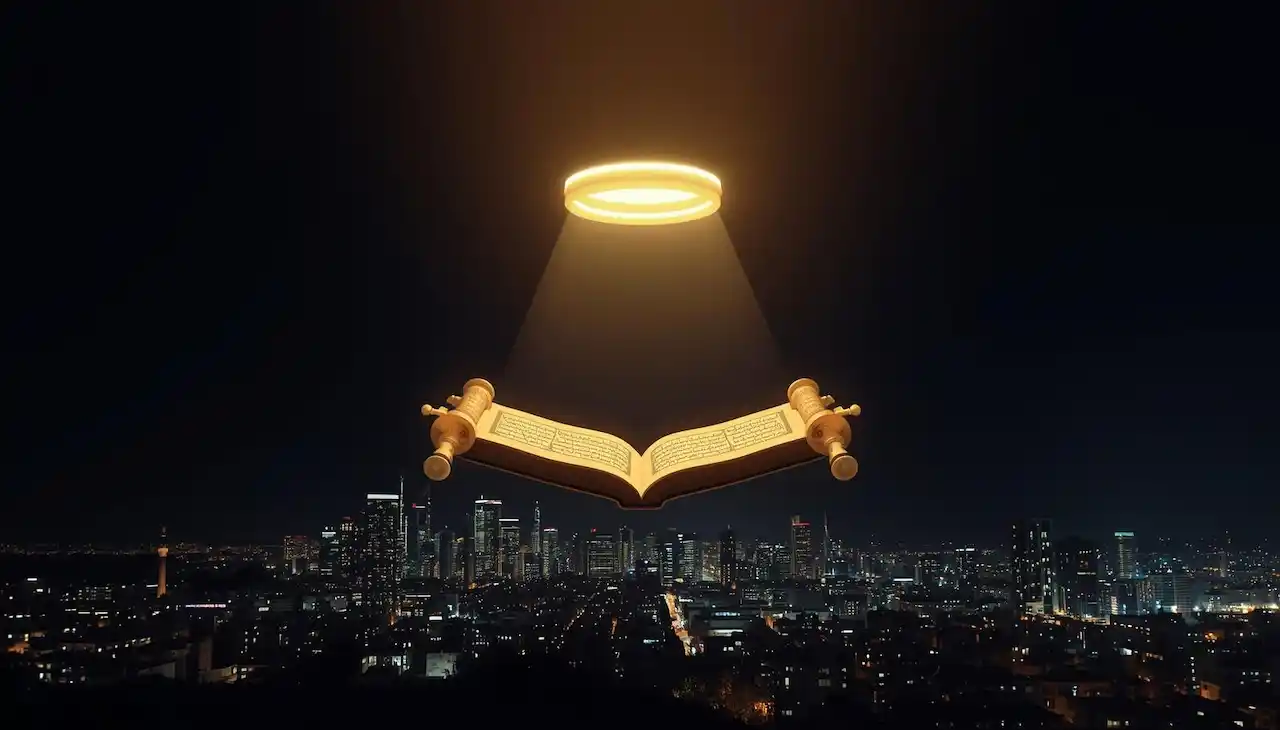
Prophetic Munajats: The Refuge of the Ummah and Divine Mercy
The munajats of the Prophet (PBUH) are not merely prayer texts; they are the most sacred spiritual legacy left to the Ummah. These munajats were kneaded sometimes in the most heated moments of battlefields like Badr and Uhud, and sometimes with tears shed in the deep silence of the Tahajjud time. Clinging to these prayers, which are a prophetic heritage, is actually a direct way to follow the Sunnah al-Saniyyah and come under the spiritual umbrella of the Messenger of Allah (PBUH). This legacy makes the believer resilient against the hardships of the world and serves as an unshakeable means of intercession (shafa'at) in the reckoning of the hereafter. The prophetic legacy is the safest harbor for the soul.
A Trust Extending from Uhud to the Throne: Codes of Spiritual Security
Munajats like Jawshan, revealed during critical moments such as the Battle of Uhud, are considered a divine 'gift.' These prayers, coming at those terrifying moments where even heavy steel armor was insufficient, carry the message: 'Do not get stuck in material causes, seek refuge in the Causer of Causes (Musabbibu'l-Asbab).' In narrations, the virtues of these munajats are full of glad tidings like protection from calamities and the forgiveness of sins. However, the greatest of these virtues is that they clean the heart from everything other than Allah (masiva) and increase the servant's closeness to their Lord. The Prophet (PBUH) wanted every believer to don their own spiritual armor by reciting these prayers themselves. Divine security is hidden behind these sacred words.
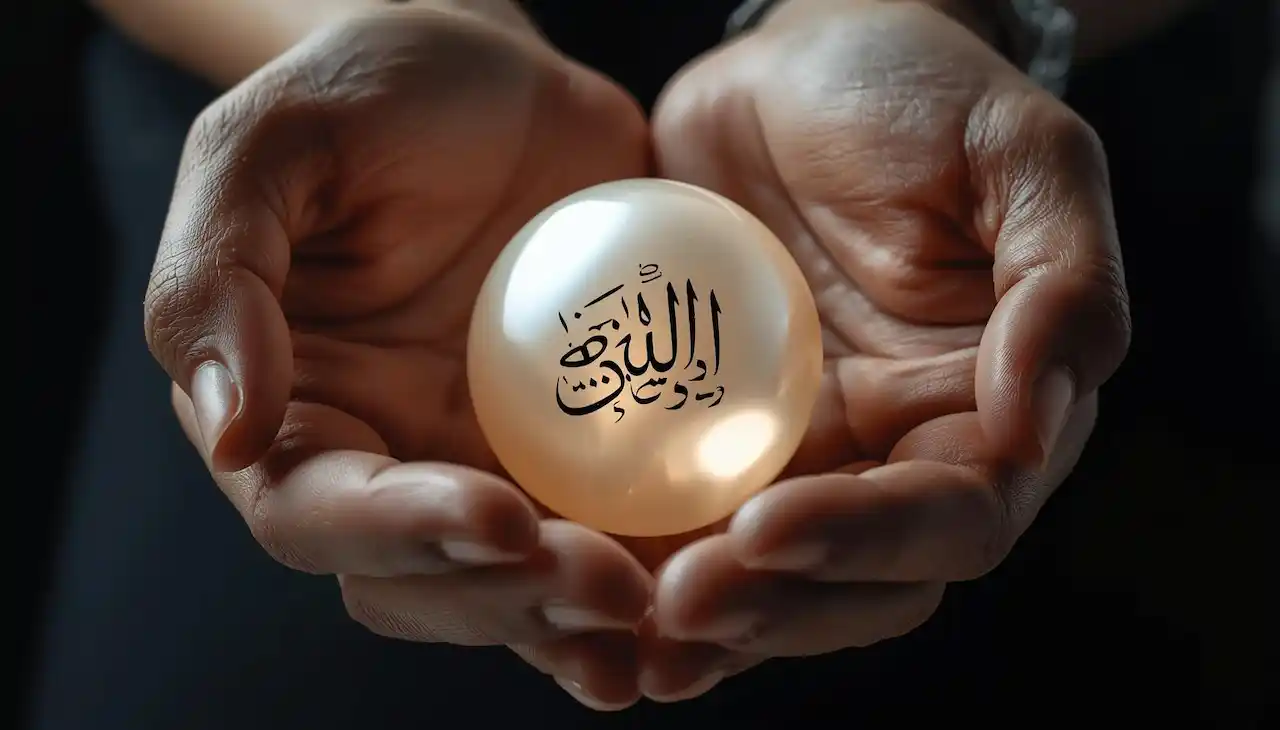
Munajats as an Educational Model: Tawhid and Ubudiyyah
Prophetic munajats are also educational models for the Ummah. Every sentence brings to life the oneness, uniqueness, and mercy of Allah in the most concise way. A believer who practices these prayers is actually receiving a direct lesson in Tawhid and Ubudiyyah (servitude). As the Ummah engages with this spiritual legacy, individual piety rises while social peace increases. This corpus of munajats, which has reached the present day especially through the channel of the Ahl al-Bayt, has been accepted as 'prescriptions for salvation' across the Islamic geography. To personally experience the virtue of these prayers, it is essential not only to read them but to unite them with the rhythm of the heart. The consciousness of servitude is reinforced by munajats.
The Value of the Legacy: The Essence of the Four Books and Means of Intercession
In Islamic literature, narrations suggesting that reading certain great munajats 'will grant rewards as if one had read the four heavenly books' emphasize how inclusive this legacy is. These prayers gather within themselves the spirit of the Quran and the wisdom at the core of other revelations. Claiming this heritage as an Ummah is not only an act of worship but also an indicator of loyalty to the Prophet (PBUH). Traditions such as writing them on shrouds or adopting them as a lifelong vird stem from the desire for this prayer to accompany the believer at every moment. In conclusion, Prophetic munajats are the key to happiness in this world and the hereafter; every word is a luminous step bringing the Ummah closer to the intercession of our Master.

Jawshan al-Kabir & Translation — Experience This Now
Download our app to explore all these features and more.