Kandil Messages: The Semantics of Berat, Mevlid, Miraj, and Regaip Nights
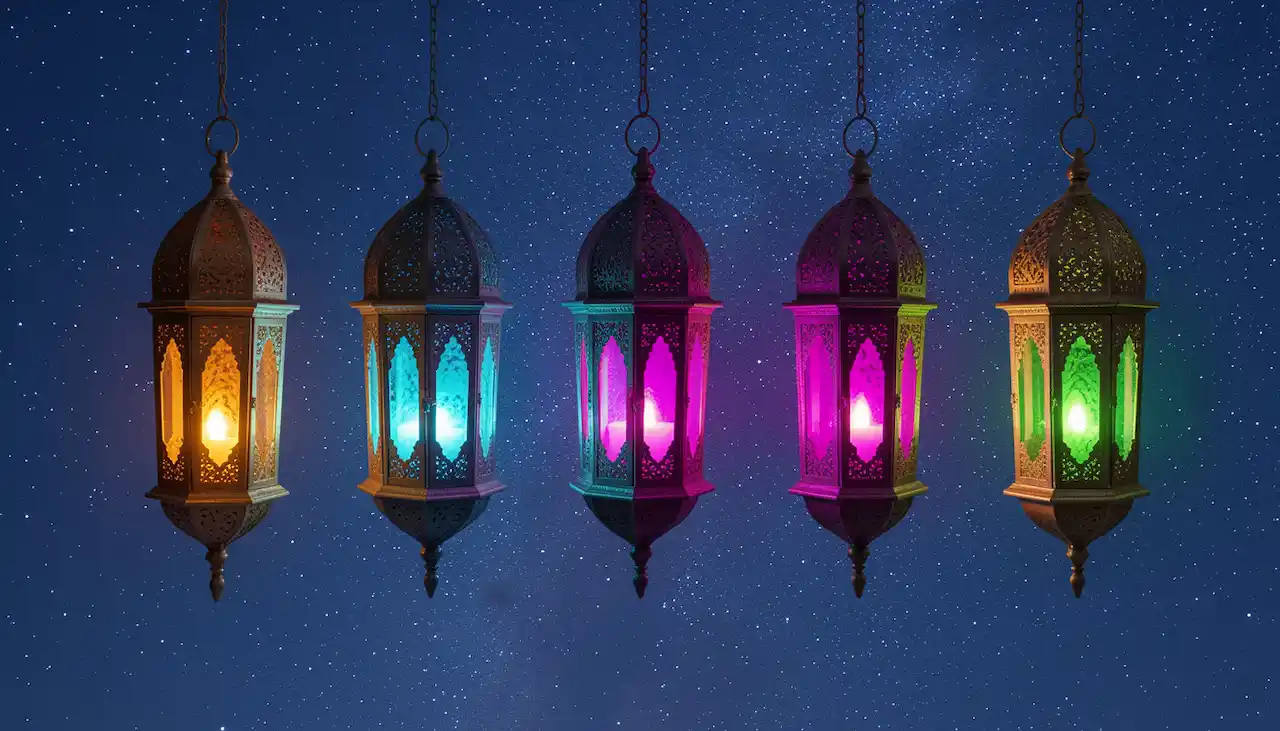
Blessed Kandil Nights: Sacred Stops in Time
In Islamic tradition, Kandil nights are positioned as 'spiritual purification stations' in the flow of time. Mevlid, Regaip, Miraj, Berat, and the Night of Power (Qadr); each represents a different divine herald and historical turning point. Greeting messages sent on these nights are not just a celebration; they are also an act of reminding others of the sanctity of these exceptional times and participating in a social circle of prayer. When an academic analysis is performed, it is seen that Kandil messages play a vital role in the construction of 'collective consciousness.' In this article, we handle the unique meaning of each Kandil and the most appropriate linguistic and visual forms of expression with academic discipline.
Regaip Kandili: Orienting Desires Toward a Divine Direction
Regaip, the first harbinger of the three holy months in the Hijri calendar, means 'the desired.' In messages shared on this night, the focus is on directing desires, wishes, and dreams away from the ephemeral and toward the eternal. Concepts such as 'steadfastness,' 'intention,' and 'blessing' used in Regaip messages overlap with the ontological meaning of the night. Visually, budding flowers or a newborn crescent figure should often be preferred as symbols of spiritual awakening and beginning. Regaip is a night of refreshing intentions; messages should reflect this freshness.
Miraj Kandili: Ascension from Human Limits to Divine Presence
Miraj represents the Prophet Muhammad's (PBUH) ascension to the heavens and his acceptance into the divine presence, being the night with the highest metaphysical depth. Miraj Kandili messages should emphasize the spiritual ascent of the individual and the sanctity of prostration, based on the principle that 'prayer is the Miraj of the believer.' In academic exegesis, Miraj is described as a time of 'consolation and honoring.' Therefore, messages sent on this night should carry a tone that instills hope in grieving hearts and invites the soul to break free from worldly shackles. Images with celestial themes, adorned with stars or having heavenly depth, align perfectly with the spirit of Miraj.
Berat Kandili: Purification and Forgiveness on the Page of Fate
Located in the middle of the month of Shaban, Berat literally means 'acquittal from debt, crime, and punishment.' This night acts as a 'New Year' where the books of deeds are organized and destiny is sealed. The focus of the language used in Berat Kandili messages should be 'repentance, forgiveness, and a new beginning.' Theological wishes like 'may we receive our decree of acquittal in our right hand' add depth to the messages. Visually, white pigeons, clear waters, or a motif of a bright path are impressive in terms of representing a pure soul cleansed of sins. Berat is a night of conscientious reckoning.
Mevlid Kandili: A Debt of Loyalty to the Light of the Universe
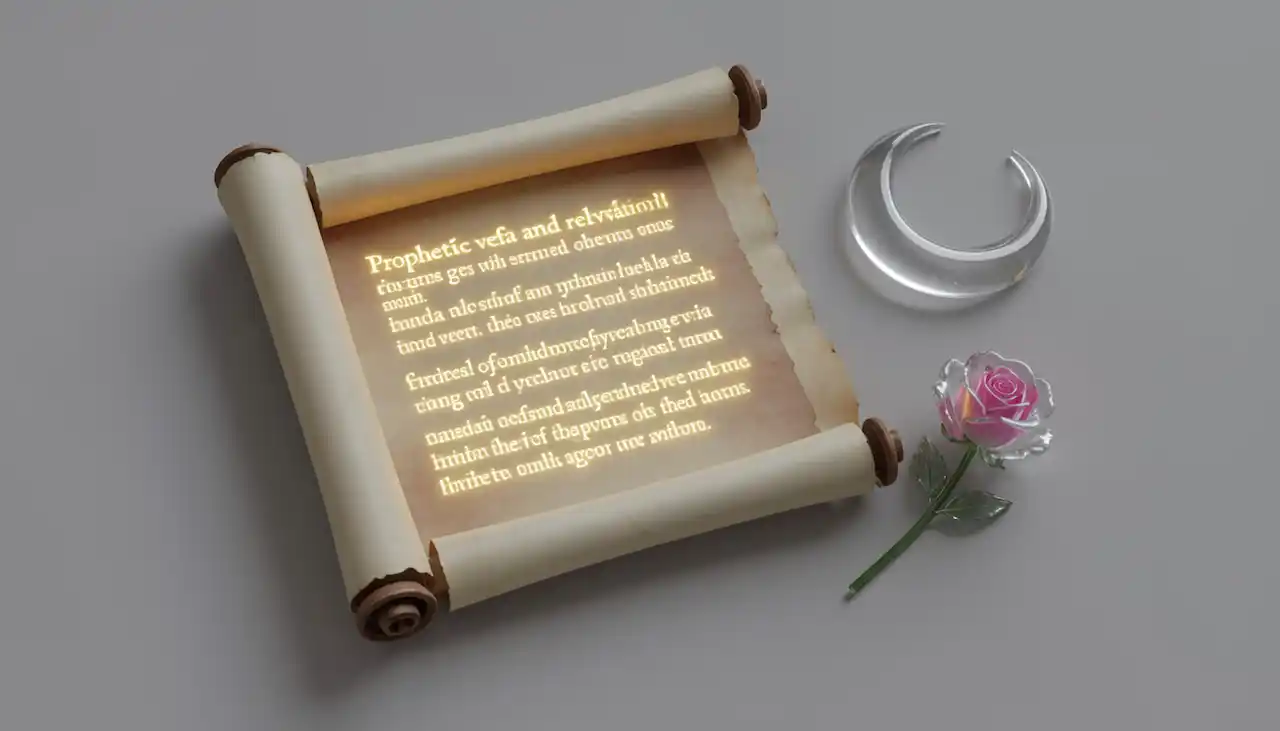
Mevlid Kandili, where we celebrate the Prophet Muhammad's (PBUH) arrival to the world, is the peak of love and loyalty. Mevlid messages should contain sentences in the style of a panegyric (na'at) praising the character, mercy, and justice of our Prophet. The expression 'sent as a mercy to the worlds' is the main backbone of all texts written for this night. Rose symbolism is indispensable for Mevlid Kandili; because the rose is the most elegant emblem representing the Prophet in Islamic art. These messages serve as a covenant that refreshes the spiritual bond (muhabbah) the individual establishes with their Prophet.
Strategy for Selecting Hadiths and Prayers in Messages
The main element that distinguishes Kandil messages from ordinary visuals is the authentic prayers and hadiths they contain. Choosing hadiths suitable for each Kandil's theme (e.g., hadiths on forgiveness for Berat) increases the theological value of the message. However, the selected texts must be short and punchy, suitable for the 'fast reading' habits of social media users. Academically, a message with a balanced **information density** captures both the mind and the heart simultaneously. An elegant English translation added alongside the hadith reinforces the clarity and impact of the prayer.
Social Solidarity and Ummah Consciousness
Kandil nights are times when Muslims ask for each other's forgiveness and meet in common prayers. Every message sent is a digital brick that strengthens Ummah consciousness (solidarity). Especially during periods of war, natural disasters, or social crises, the content of Kandil messages should shift toward themes of 'patience and unity.' This is the active use of religion's social unifying power on digital platforms. Kandils are strategic timeframes where resentments end and the contract of brotherhood is renewed. Messages are the ambassadors of this peace.
Conclusion: The Legacy of Luminous Nights to Bright Tomorrows
In conclusion, Kandil messages are the most elegant form of a thousands-of-years-old tradition blended with modern technology. Thanks to these messages, the spirit of blessed nights is carried from the guest of honor's seat in homes to the heart of digital screens. Every Kandil greeting prepared with correct semantics, containing a sincere prayer, and presented with aesthetic visuals can light a small flame in a person's spiritual world. It is the duty of every believer to multiply the abundance and blessings of Kandils by sharing. Now, open the doors of your heart to these luminous prayers and participate in this spiritual caravan by sending your most sincere Kandil wishes to your loved ones.
Friday, Kandil & Eid Messages (Animated & Images) — Experience This Now
Download our app to explore all these features and more.