How to Prepare Natural and Fast Baby Soup at Home? Practical Kitchen Techniques
Practical Kitchen Guide: Managing Time Without Compromising Health
In today's fast-paced living conditions, especially for working parents, 'preparing fresh baby food every day' can sometimes seem like an impossible task. However, with an academically planned kitchen organization, it is possible to both save time and offer the baby the most natural, nutritious soups. The art of rapid baby meal preparation requires methodological planning (meal prep) rather than randomness in the kitchen. In this guide, we examine professional baby soup techniques and storage methods that you can prepare in minutes without losing nutritional value, using academic language. Practicality is not about giving up quality; on the contrary, it is about making quality sustainable.
Freezer-Friendly Preparations: Vegetable and Meat Cubes
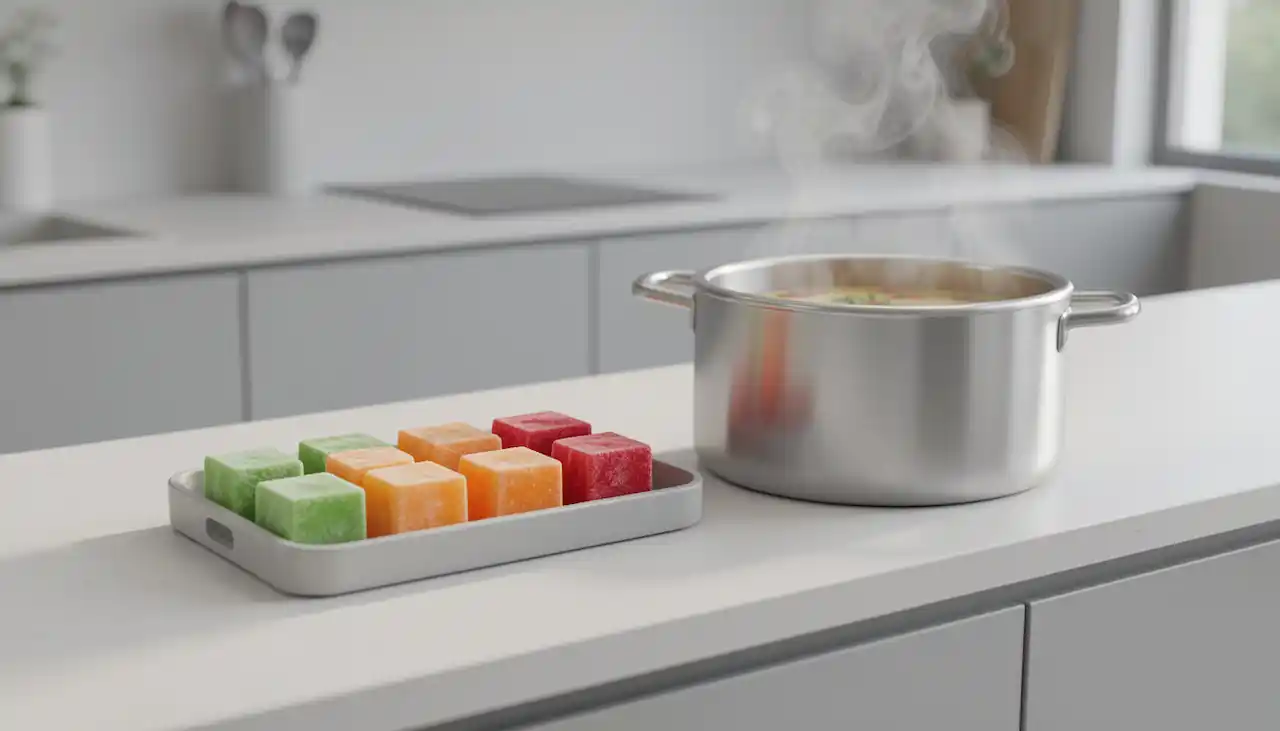
The most effective way to prepare a quick soup is to have pre-prepared 'base' ingredients. Freezing bone marrow broth, lamb mince (in single-use portions), and vegetable purees in small silicone trays reduces soup-making time from 30 minutes to 5 minutes. For instance, taking pre-steamed and pureed pumpkin cubes from the freezer and combining them with hot bone broth means an instantly ready meal. Academic data confirms that flash-freezing or rapid freezing methods keep vitamin loss in vegetables at a minimum. The freezer is the greatest ally of a healthy kitchen.
Dry Mixes: Homemade Baby Tarhana and Grains
For modern mothers, the name of the 'fast' yet 'traditional' solution is tarhana. Specially fermented for babies, non-spicy and low-spice baby tarhana is a complete meal on its own with its balance of grains, yogurt, and vegetables. Tarhana can be cooked in minutes using only hot water. Similarly, keeping red lentils, semolina, oats, and whole rice flour ready as a 'mix' in small glass jars allows you to quickly create a nutrient bomb in emergencies. Grains provide both consistency and B-group vitamin support to soups.
The One-Pot Method and Heat Management
One of the most time-saving techniques in the kitchen is the 'one-pot' method. Placing all ingredients (protein, carbohydrate, vegetable) in the pot at the same time and in the correct order both reduces the dishwashing load and allows flavors to meld. Adding grated vegetables with short cooking times into the already simmering bone broth and mince is critical for heat management. A small, high-quality stainless steel pot ensures even heat distribution, optimizing the cooking time. The minimal effort, maximal flavor principle is the foundation of this method.
Critical Thresholds in Food Safety and Storage Conditions
The biggest risk in quickly prepared soups is hygiene and storage errors. Baby meals should not be left at room temperature for more than 2 hours. A prepared soup, once cooled, should be placed in glass containers in the refrigerator (0-4 degrees Celsius) and consumed within 24 hours. Frozen foods, on the other hand, should strictly not be thawed at room temperature, but on the bottom shelf of the refrigerator. To avoid 'cross-contamination' academically, the boards and knives used while preparing baby meals should be kept separate from adult meals. Health is hidden in kitchen discipline.
Heating Techniques: Microwave or Bain-Marie?
When reheating baby soups, preserving nutritional value is just as important as the initial cooking. Although microwave ovens are fast, they can cause uneven heat distribution (hot spots), which may lead to burning the baby's mouth. The healthiest method is to heat the glass container by placing it in a bowl of hot water (Bain-Marie style). This method protects the structure of the delicate proteins in milk and vegetables. A vital rule for preventing bacterial growth is to only heat the amount to be consumed each time and never put the leftovers back in the fridge.
Feeding During Travel and Outdoors: Portable Solutions
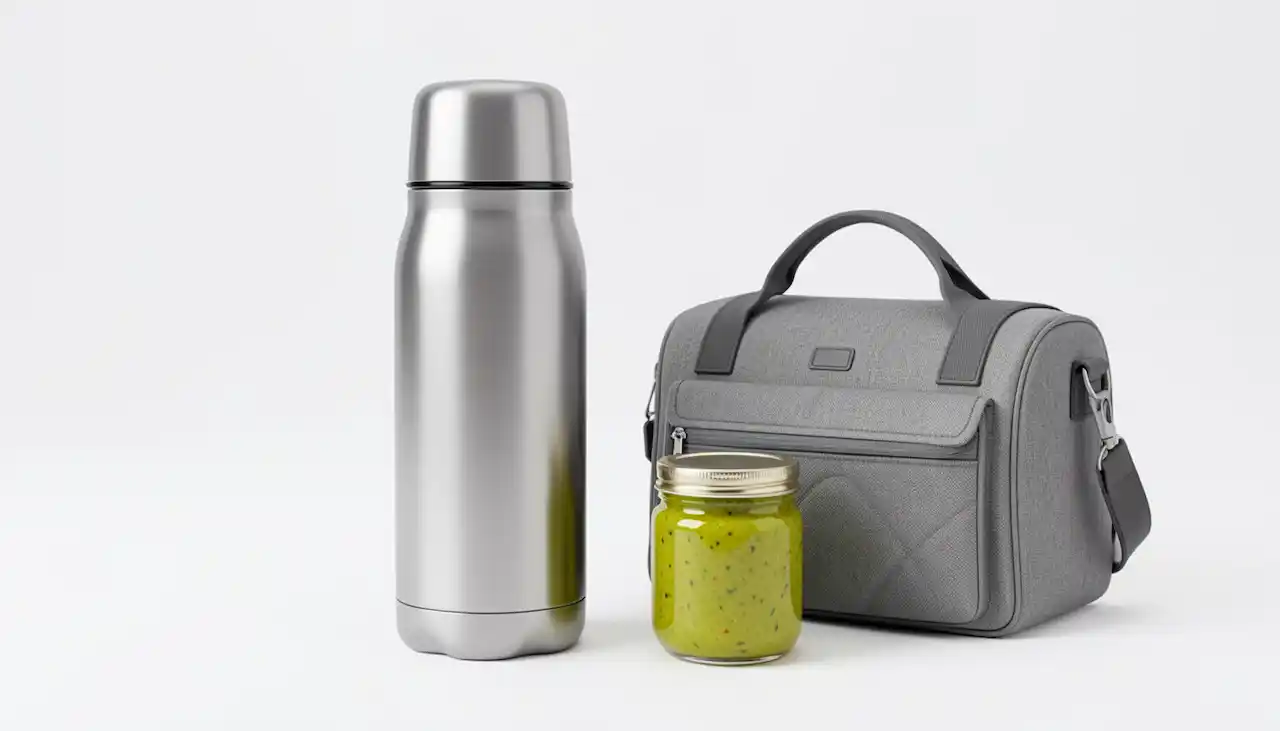
For parents on the move, 'thermos technology' is a lifesaver. A high-quality, BPA-free vacuum flask can keep home-prepared hot soup at a safe temperature for 6-8 hours. Additionally, carrying vegetable purees in small vacuum-sealed glass jars (for short-term consumption, not as long-term canning) reduces dependency on store-bought packaged foods. Mobility is not an excuse for the disruption of the feeding schedule but, with the right equipment, an opportunity for discovery. Your baby's soup can always be at hand, in its most natural form.
Conclusion: A Wisely Planned Love in the Kitchen
In conclusion, preparing fast and natural baby soup at home is a combination of knowledge, planning, and the right tools. By optimizing the time you spend in the kitchen, you can dedicate that valuable saved time to playing with and bonding with your baby. Practical methods reduce your parenting stress while guaranteeing your baby's access to healthy food. As long as you follow scientific cooking and storage rules, your kitchen will continue to be the world's best healing center for your baby. Now is the time to prepare those healing cubes in the freezer and set up a system that will make your work in the kitchen easier.
Baby Soup Recipes: Nutritious & Natural Menus — Experience This Now
Download our app to explore all these features and more.