What is Istikhara Prayer? How to Sleep for an Istikhara Dream?
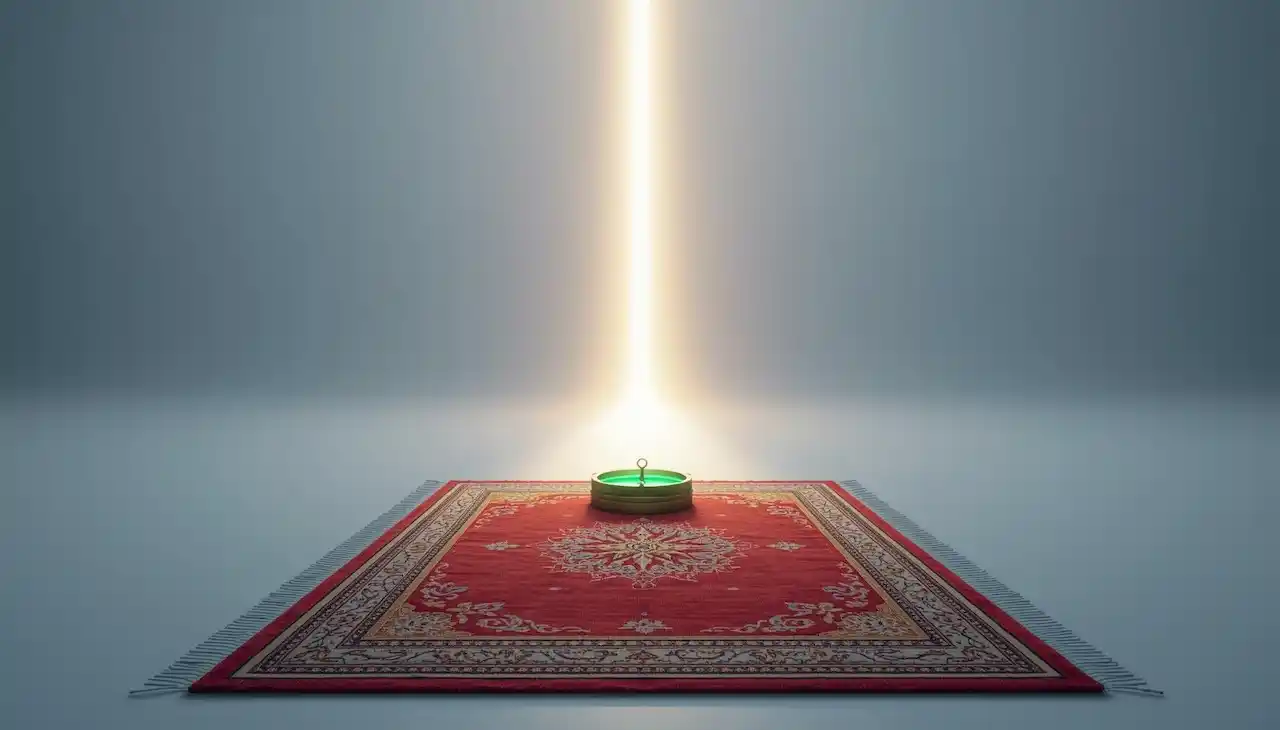
Spiritual Consultation When You Cannot Decide: Istikhara and Reading the Signs
Life sometimes brings us to the brink of major decisions—such as marriage, a career change, or an important move. In such cases, there is a need for spiritual support alongside rational data. In Islamic tradition, the most reliable way to obtain this support is the istikhara prayer and its supplication. Istikhara literally means 'to seek what is good' and is the effort to bring one's own mind into alignment with the divine will. It is, in a sense, the servant saying to their Lord, 'You know what is best for me, show me the way.'
The Method of Istikhara Prayer and Supplication
The istikhara prayer consists of two rak'ahs and is crowned with a special supplication after being performed. It is recommended to read Surah al-Kafirun in the first rak'ah and Surah al-Ikhlas in the second. After the prayer, sleeping in a state of wudu and facing the Qibla without speaking of worldly matters prepares the proper ground for receiving spiritual signals. However, it should not be forgotten that istikhara is not an imposition on Allah, but a surrender in the form of, 'If it is good for me, grant it; if not, turn my heart away from it.' While praying, the matter intended should be held clearly in the mind.
Decoding the Signs: The Language of Colors and Emotions
So, what do the colors seen in an istikhara dream mean? In traditional interpretations, seeing white and green signifies goodness, positivity, and the blessing of the matter. Black or red colors are generally accepted as a warning of a drawback, a difficulty, or that one should stay away from that matter. Beyond colors, the feeling of spaciousness or constriction (sakinah) felt in the dream is the strongest evidence regarding the correctness of the decision. Sometimes, even if no dream is seen, that strong 'inclination' felt in the heart upon waking in the morning is the greatest sign.
Correct Intention and the Principle of Neutrality
It is critical for the intention to be pure before lying down for an istikhara dream. If a person has already decided on a choice in their mind, the dream they see might merely be a reflection of their own desires. Therefore, correct intention requires 'total neutrality' and complete submission to Allah's decree. Istikhara is not just a dream tool; it is also a state of prayer and refuge. If the result is still uncertain, istikhara can be repeated up to seven nights. This persistence is an indication of the servant's sincerity in their search.

Cognitive Clarity and Spiritual Counseling
From an academic standpoint, istikhara can also be seen as a spiritual counseling mechanism that allows the individual to manage the anxiety experienced during the decision-making process and provides cognitive clarity. In the world of faith, the feeling of 'assurance' that comes to the heart at the end of this process is divine guidance that begins where logic ends. The person performing istikhara acts with the consciousness that the result—whatever the decision may be—is 'best' for them. This consciousness is a psychological shield that prevents potential future regrets.
The Place of Istikhara in the Sunnah and Important Warnings
The Prophet (PBUH) taught istikhara to his companions with the same meticulousness as if he were 'teaching a surah from the Quran.' This shows the importance of the matter in a Muslim's life. However, istikhara does not mean disabling the mind or consultation (mashwara) with others. First, the mind is used, experts are consulted, and all conditions are explored; at the final point, istikhara is resorted to for divine confirmation. Istikhara is taking refuge in destiny where precaution ends. Instead of making vital decisions based solely on a dream, the 'heart's inclination' formed after istikhara should be taken into account.
Conclusion: Finding the Way with Divine Signs
In conclusion, istikhara is a spiritual lantern for the believer seeking their way in the darkness. When you learn to read the voice of your heart and the divine signs correctly, even the most difficult decisions will turn into a cause for peace. With this guide, you can grasp step-by-step how to perform the istikhara prayer and how the seen dreams should be analyzed. For a heart that trusts in Allah's guidance, there are no dead ends. Istikhara is the name of that magnificent moment in the midst of all uncertainty where the servant clings to their Lord and says, 'Illuminate my path.'

Dream Interpretations & Meanings Pro — Experience This Now
Download our app to explore all these features and more.