How to Observe the Kandil Nights? A Guide to Prayer, Supplication, and Dhikr
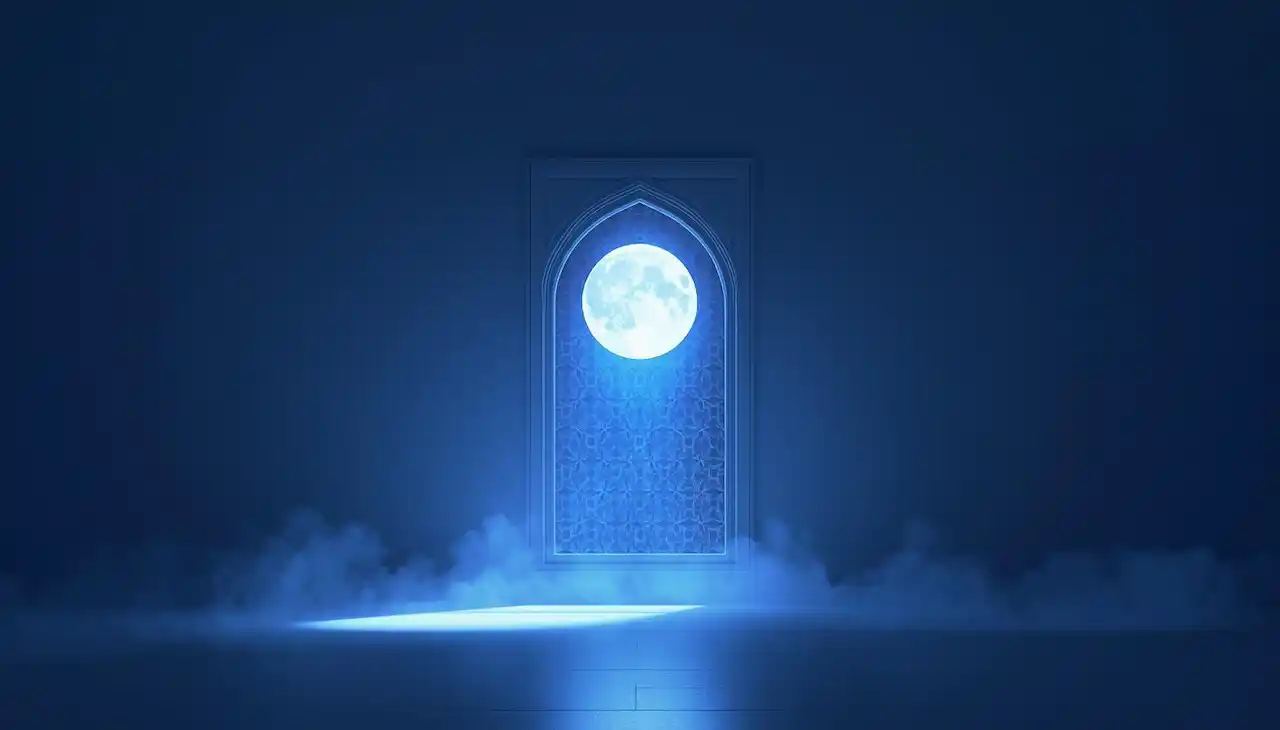
Illuminating the Night with Light: Kandil Worship and Methods of Observation
The Kandil nights—Regaib, Mi'raj, Barat, and Mawlid—which represent turning points in Islamic history, are special time frames where the gates of heaven are opened wide. It is essential to observe these nights through deep worship rather than just seeing them as cultural celebrations. Kandils are stations of repentance and seeking forgiveness where one accounts for their past and opens a new page for their future. The supplications made during these hours of increased spiritual depth bring the servant's bond with their Lord to its purest form. The consciousness of observation is not just physical wakefulness, but a state of total openness of the heart and mind to divine truths.
Prayer Guide: The Luminous Power of Voluntary Worship
How can a Kandil night be utilized most effectively? First and foremost, one should turn toward voluntary (nafile) prayers in accordance with the spirit of these nights. Specifically, the Salat al-Tasbih, recommended for Kandil nights, is a highly virtuous act of worship for the forgiveness of sins. Learning how to perform this prayer and tasting the sweetness of dhikr in every bow and prostration frees the soul from lethargy and carries it toward a spiritual lightness. The Tahajjud prayer, on the other hand, is the most noble way to be accepted into the divine presence during the deepest part of the night. Prayer is the believer's ascension (mi'raj) on these special nights; every prostration is a certification of proximity to Allah.
The Etiquette of Supplication: Pleas Rising from the Heart to the Throne
Supplication (Dua) is the essence of Kandil nights. There are glad tidings that prayers made with sincerity, tears, and adherence to the conditions of acceptance will not be turned away on these nights. When reciting Kandil prayers, one should plead not only for worldly desires but also for the salvation of the Ummah and the peace of the heart. To catch those hidden moments known as the hour of acceptance, every moment of the night must be strung together like pearls. The salutations (salawat) brought upon the Prophet (PBUH) at the beginning and end of the prayer serve as two wings that allow the prayer to ascend to the heavens. A prayer made with sincerity (ikhlas) possesses a metaphysical force capable of changing the flow of fate.
Dhikr and Tasbihat: The Polish of the Heart and Mental Purification
Dhikr is the polish of the heart. The most virtuous dhikrs to be performed on Kandil nights are the Beautiful Names of Allah (Esmaül Hüsna) and the Salawat-ı Sharif. Every greeting sent to the Prophet (PBUH) echoes beneath the Throne and returns to us as mercy. Words of unity (tawhid) like 'Lailaheillallah' or tasbihat like 'Subhanallahi ve bihamdihi' turn the darkness of the night into light in our hearts. Focusing on the meaning is just as critical as the number of repetitions. During dhikr, a person should contemplate that with every tasbih, they are erasing a dark spot in their heart and replacing it with divine light. Rhythmic dhikrs lead the soul out of chaos and into the tranquility of order.

Repentance and Seeking Forgiveness: A Spiritual Cleansing
On these nights when the door of repentance is ajar, one must turn to Allah with 'Sayyidul Istighfar' prayers to rid themselves of the burdens of the past. Repentance and seeking forgiveness (tawbah and istighfar) are the starting points of Kandil observation. Every mistake regretted can be erased for the sake of this night. Academic Islamic researchers emphasize the contribution of such collective and individual nights of purification to social peace and the development of individual conscience. A person is exalted to the extent they accept their own helplessness and errors. Kandils are the most favorable grounds for this exaltation. An istighfar performed with the consciousness that 'unto Him is the return' can restore the soul to its purity, as it was on the day of birth.
Quranic Recitation and the Depth of Contemplation
Quranic recitation should never be neglected during the observation process. Specifically, reading or listening to surahs like Yasin, al-Mulk, and an-Naba is nourishment for the soul. Reflecting deeply (tafakkur) upon every verse read elevates the worship to a higher level. Observing a Kandil night is not just about performing rituals, but about being able to connect the heart entirely to Allah, even for a single moment of that night. Spiritual contemplation is the process of knowledge turning into faith, and faith turning into love. Thinking about how to apply the message of the verses to our lives today is one of the most beneficial acts of the night.
Conclusion: A Future Illuminated by the Light of Kandil
In conclusion, Kandil nights are spiritual charging stations for the Muslim. Utilizing these nights rightfully means gaining spiritual resilience against the challenges to be faced during the rest of the year. Every act of worship you perform with this spiritual guide will be an eternal light for you. Those who illuminate the darkness of the night with prostration will not lose their direction in the brightness of the day. The observation of Kandil is the servant's way of saying to their Lord, 'I am here and I am with You.' Open your heart to this luminous breeze and taste the flavor of rebirth at every Kandil.

Three Months & Kandil Guide — Experience This Now
Download our app to explore all these features and more.