Creating a Healthy Sleep Routine in Babies and the Psychological Impact of Lullabies
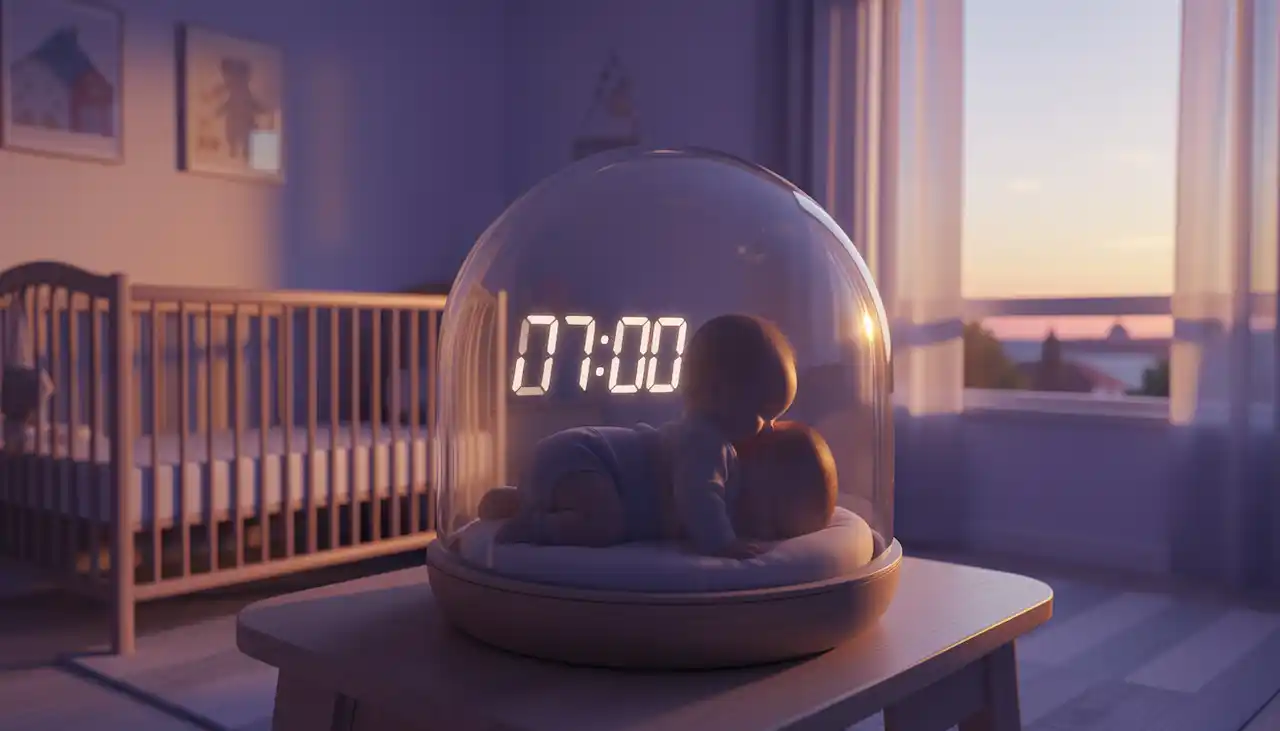
Parent's Guide: Circadian Rhythm Management in Infants
Sleep in babies is not just a rest process; it is a vital laboratory phase where brain development occurs, learned data is classified, and growth hormones are secreted. The biological clock (circadian rhythm) of newborns has not yet fully adapted to the 24-hour cycle of the world. At this point, the greatest responsibility of parents is to send 'safety and order' signals to the baby's biological system by creating a consistent and calm sleep routine. This process, referred to as 'sleep hygiene' in academic literature, is the most fundamental guarantee of the baby's future physical and mental health.
The Role of Lullabies in the Cognitive Preparation Process
The most magical and effective component of a sleep routine is lullabies. For the baby, the start of a lullaby is a 'cognitive key' meaning that the activity in the outside world has ended and an internal journey has begun. Rhythmic and low-tempo lullabies pull the baby's brain waves to the alpha frequency that prepares them for sleep. Academic research shows that lullabies listened to at the same time every night reduce 'anticipatory anxiety' in the baby and shorten the time to fall asleep by an average of 30%. A lullaby is not just a sound; it is a boundary line in the baby's mental world, a fortress of serenity.
Building the Routine: The Step-by-Step Evening Ceremony
A healthy sleep routine should begin approximately one hour before bedtime. Gradually reducing the light in the environment (dim environment) triggers melatonin secretion in the body. An ensuing warm bath and a gentle massage provide physical relaxation by loosening the muscles. The final stage of the routine, the 'listening to lullabies in bed' process, is the last stop where the baby feels secure. These ritualized actions eliminate uncertainty in the baby's perception of the world, offering them a controllable and safe living space. Routine births peace.
Acoustic and Visual Hygiene in the Sleep Environment
The physical conditions of the room where the baby sleeps directly affect sleep quality. Academic pediatric guides emphasize that the ideal temperature of the baby room should be between 18-22 degrees Celsius and full darkness should be ensured. Auditory stimuli (lullabies, white noise) should be positioned at least two meters away from the baby's bedside and at a low decibel level (whisper tone). Visually, having fewer toys or distracting bright objects in the room ensures that the baby directs their focus toward sleep. Acoustic hygiene is a shield protecting the baby's nervous system from overstimulation.

The Skill of Self-Soothing
The ultimate goal of creating a sleep routine is to provide the baby with the ability to fall asleep on their own and to soothe themselves again when they wake up. Lullabies serve as a 'transitional object' in this process. When the baby hears the familiar melody, they feel they are not alone and can transition into deep sleep without the need for external intervention (rocking, breastfeeding, etc.). Academically, this state is called 'sleep consolidation.' A baby who learns to self-soothe exhibits a more successful profile in dealing with stressful situations throughout their life. Patience is the greatest power of education.
Encoding Auditory Memory and the Sense of Trust
The human brain never forgets the sounds it trusts. Lullabies used in sleep routines are encoded in the baby's auditory memory as 'happiness and safety.' In later months or during challenging processes such as teething, hearing the same lullaby again immediately triggers the secure attachment mechanism in the baby, soothing them. This emotional encoding transforms the bond between parent and child into a lifelong spiritual capital. The tenderness embodied in the sound is the most natural medicine supporting the baby's regeneration at a cellular level.
Routine Adaptation According to Different Age Groups
As the baby grows, sleep needs and the structure of the routine must change. While a 3-month-old's routine is more focused on physical contact, short fairy tales or 'end-of-day chats' can be added to the routine of a 12-24 month old. However, the constancy of the lullaby must remain as an unchanging North Star within these changes. The academic development calendar shows that children's need for routines continues until adolescence. Rhythmic sounds and melodies suitable for each age period help the child maintain emotional balance in their character development. Development is crowned with regular repetitions.
Conclusion: Happiness Coming with Patient Discipline
In conclusion, creating a sleep routine in babies is a matter of intelligence and patience. Every evening ceremony prepared by blending the right techniques, scientific data, and love is a priceless gift for your baby's healthy development. This order established under the guidance of lullabies will increase not just the nights but your baby's entire quality of life. Do not rush, every baby's rhythm is different; learn your own baby's language and prepare a peaceful world for them on the luminous wings of lullabies. Remember that a calmly sleeping baby means a serene and successful adult of tomorrow. Start planning your routine now.
New Best Lullabies: Peaceful Sleep for Babies — Experience This Now
Download our app to explore all these features and more.