Hospital Bag Preparation Strategies: Logistic and Psychological Readiness
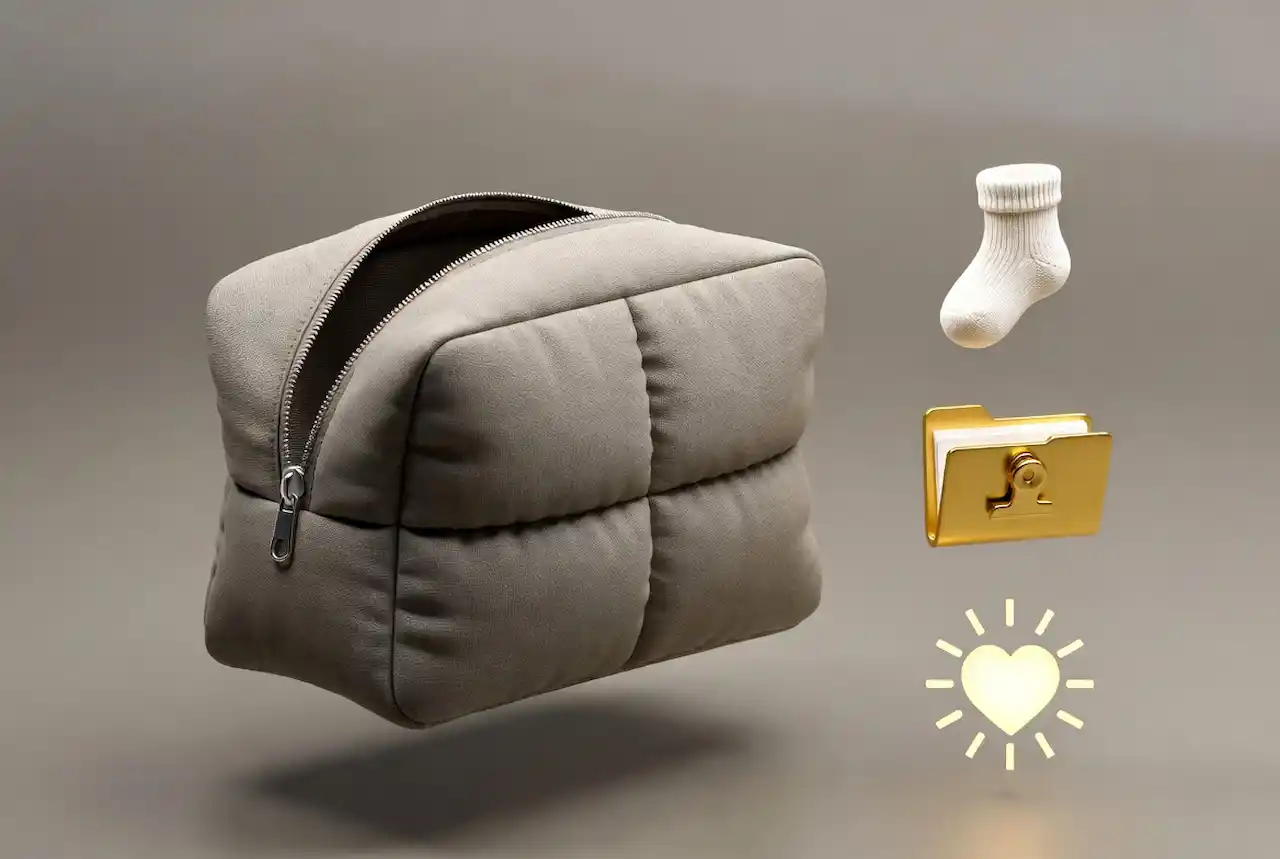
Comprehensive Preparation: A Hospital Bag is More Than Just a Suitcase
Preparing a hospital bag is the most concrete and functional manifestation of the 'nesting instinct' experienced in the final weeks of pregnancy. Since the moment of going to the hospital usually involves high stress and excitement, it is a logistic necessity that this bag has been prepared in advance with a methodological plan. When viewed from an academic perspective, a hospital bag covers a wide range, from medical hygiene materials that the baby will need in its first contact with the outside world to equipment that will ensure the mother's postpartum comfort. This preparation eliminates uncertainty, focusing the family psychologically on the birth. Being prepared transforms a moment of crisis into moments of peace.
Basic Essentials for the Baby: Initial Hygiene and Warmth
It is vital for the baby to maintain its body temperature (thermal regulation) in its first meeting with the outside world. Therefore, hospital exit sets made of 100% cotton, with seams designed not to disturb the baby, blankets, and onesies are priorities in the hospital bag. Academic pediatric guides mandate the use of fragrance-free, alcohol-free, and pH-compatible wet wipes along with high-absorbency diapers for newborn babies. Care products such as soft towels and baby oil, which will be needed after the first bath, should be applied without damaging the skin's protective barrier (vernix caseosa). The baby's bag is its first 'security shield' in the world.
Comfort and Medical Requirements for the Mother
The postpartum process is a sensitive stage where the mother goes through a major change both physically and hormonally. Nursing bras, high-absorbency pads, and cotton nightgowns included in the bag are not just comfort elements, but also hygienic factors that reduce the risk of infection. To support breastfeeding (lactation) academically, silver caps or nipple creams are effective in preventing wounds in the first stage of the process. Personal care products that will make the mother feel good are emotional support items that accelerate postpartum psychological recovery. The more comfortable the mother is, the more peaceful the baby is.
Hospital Plan and Management of Official Documents
A hospital bag does not just consist of physical items; it should also contain a 'decision file.' This file's backbone consists of a breakdown of all tests performed during pregnancy, blood group cards, insurance documents, and the birth plan (request for epidural, cord blood donation, etc.). From an academic health management perspective, the orderly presentation of these documents directly increases the speed and quality of medical intervention at the hospital. Identifications and official documents should be in the most accessible part of the bag. Logistic order minimizes administrative stress in the hospital environment.
Logistic Support Unit for the Father and the Companion
Birth is a team effort, and the companion must also be prepared for the process. A part of the bag should be reserved for spare clothes, phone chargers, and light snacks that will ensure the companion maintains their energy over long hours. Academic sociology studies show that when the companion is physically comfortable and ready, the psychological support they provide to the mother is 40% more qualitative. Additionally, checking equipment like cameras or photography machines that will document these special moments is also part of this logistic plan. Preparation is a shared responsibility.
Newborn Safety: Car Seat and Returning Home
The largest and most important part of the hospital bag is actually outside the suitcase: The baby car seat. Many modern hospitals do not allow the baby to be discharged without a car seat that meets safety standards. Academic traffic safety data confirms that 'infant carrier' style seats for newborns are the only safe method to protect the baby's neck and spine structure in possible jolts. Learning how to mount the seat in the vehicle weeks before the birth is the first test of the journey home. Safety is the most concrete expression of love.
Digital Tracking Lists and Timing Strategy
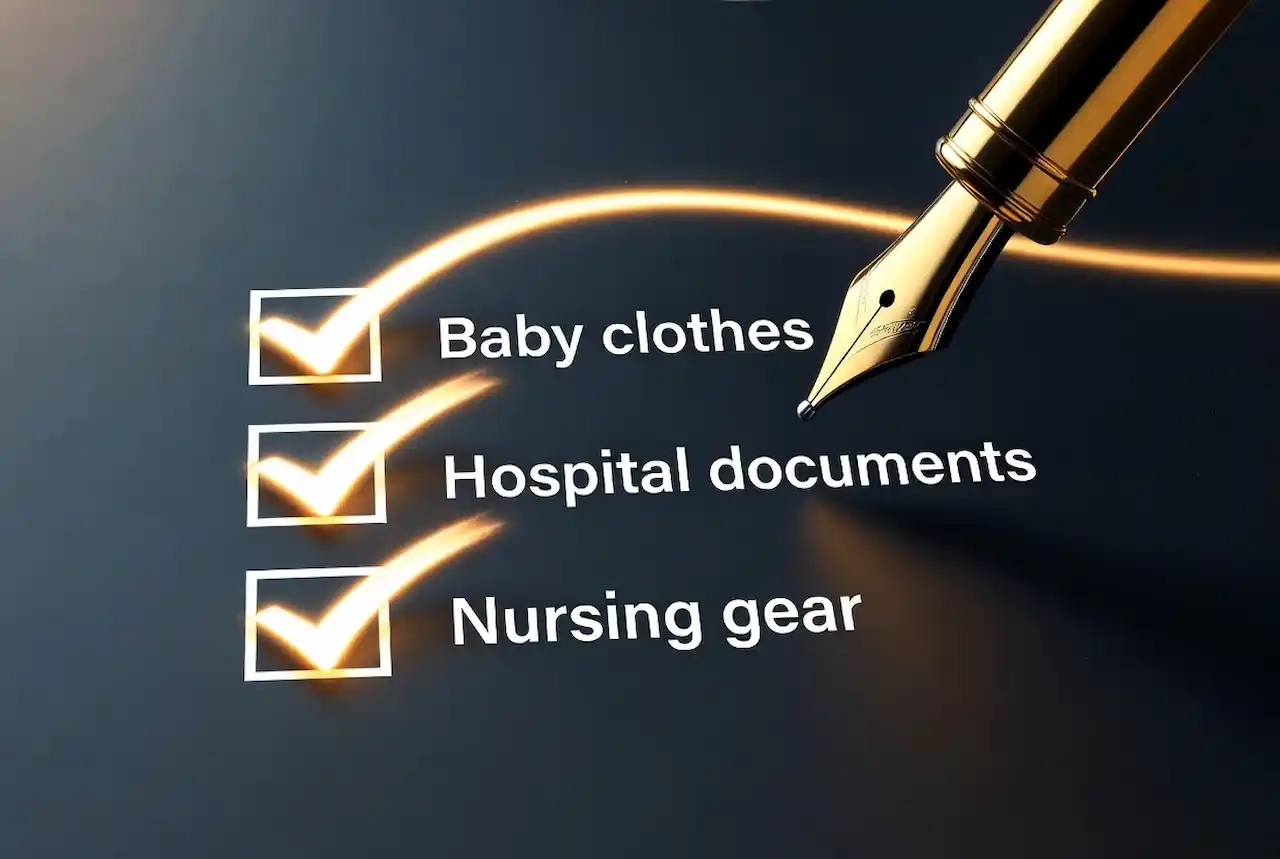
When to prepare the hospital bag should be determined according to the course of the pregnancy; however, the academic recommendation is to complete preparations between the 32nd and 34th weeks. Using interactive tracking lists to identify missing items prevents mental clutter. It is a professional approach to go over the list at certain intervals and check products with expiration dates (diapers, formula, etc.). Using a digital memory prevents the chaos that a forgotten detail would create at a moment of crisis. The preparation process is actually the most planned way of saying 'welcome' to the baby.
Conclusion: The Power of Order for a Peaceful Beginning
In conclusion, preparing a hospital bag and creating a birth plan is a logistic achievement of modern parenting. Thanks to this preparation, instead of dealing with unnecessary details at the moment of birth, you can focus entirely on that first miraculous moment with your baby. Hygiene materials selected according to scientific criteria, items that consider the mother's comfort, and equipment that ensures the baby's safety are the keys to a peaceful beginning. That bag prepared with patience and care is actually the first physical proof of your love and sense of responsibility toward your baby. Now complete your missing items and wait for this great reunion with serenity.

Pregnancy Tracker: Week by Week Guide — Experience This Now
Download our app to explore all these features and more.