Face Scan Simulation: Biometric Data Humor and Algorithmic Aesthetics
Guaranteed Laughter: The Psychological and Technical Nature of Simulation
Face-scanning simulations are one of the most popular manifestations of modern technology processing human anatomy as a 'data set.' However, this technology isn't just central to security or health; it's at the heart of humor. From an academic perspective, face-scanning pranks create sudden surprise and subsequent relief (humor) by playing with the perception of 'reality.' Showing eyes, lips, or facial features being scanned creates an illusion for the user: 'I am undergoing a scientific process.' In this guide, we examine the humorous use of face-scanning technologies, algorithmic aesthetics, and the social laughter mechanism created by this process in academic language.
Biometric Aesthetics and the Power of Visual Illusion
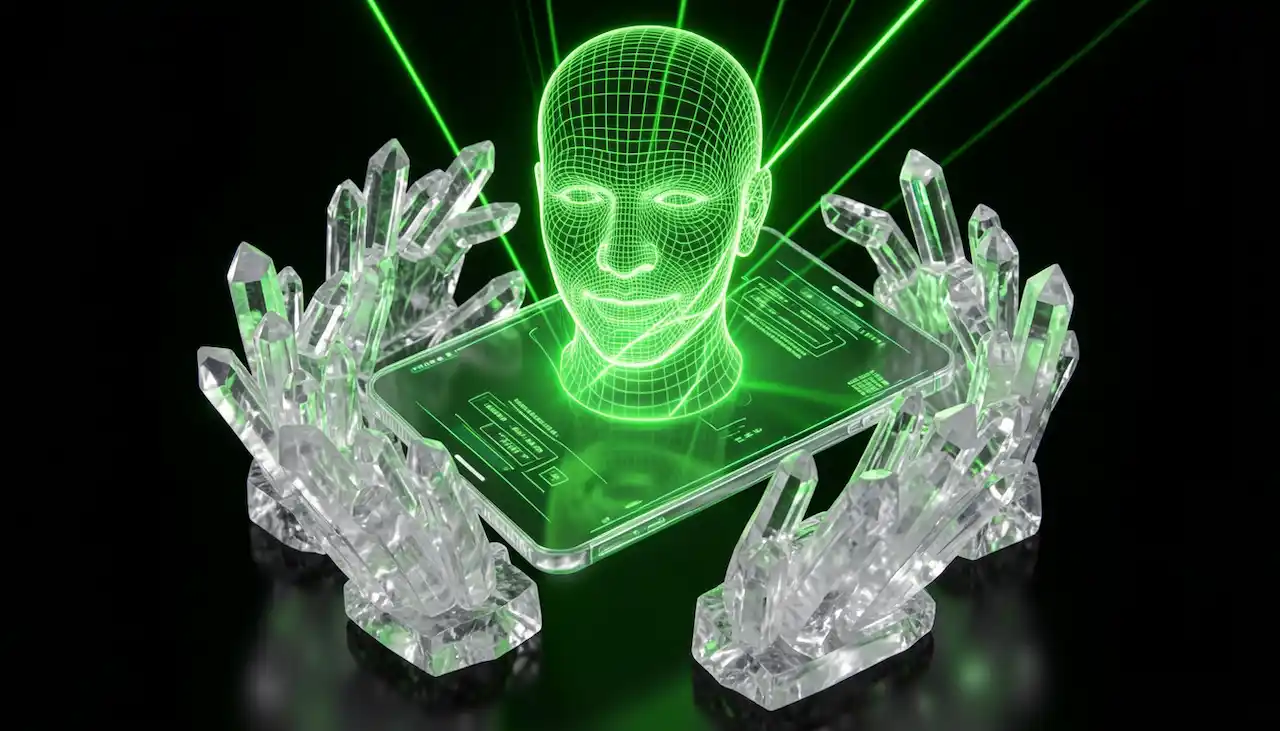
The graphic effects used in face-scanning pranks (laser lines, moving grids, digital data) are referred to as 'hi-tech' aesthetics in cinematic language. While this visual language convinces the logical side of the brain, the funny results presented (e.g., 'Your evil eye rate is 80%, use vinegar water immediately!') trigger the creative side. An academic User Experience (UX) study proves that the more 'realistic' these visuals are, the more 'explosive' the humorous result's impact will be. Visual illusion is an aesthetic seal that authenticates the prank's gravity. The viewer experiences a pleasant paradox between the majesty of technology and the lightness of comedy.
Algorithmic Humor: Making Sense of Randomness
The mathematical logic underlying face-scanning simulations is generally based on random data generation. However, the 'regional and cultural comments' embedded within this randomness elevate the software to the level of a 'digital comedian.' Categorized academically under 'Generative Humor,' this situation gains meaning based on the user's current mood or the surrounding atmosphere. The algorithm only produces a number; yet human interpretive ability reads that number like a 'spiritual diagnosis.' Randomness transforms into a story by passing through that unique humor filter of the mind.
Social Dynamics: The Scanning Ritual in Collective Entertainment
A face-scanning prank performed in a group is a collective performance rather than an individual act. Turning the focus of the friend group toward the person being scanned establishes a 'stage and audience' dynamic. Academic sociology research shows that situations laughed at collectively strengthen group trust and bonds by 40%. When the prank ends and the 'funny evil eye degree' is announced, the ensuing 'teasing' phase is actually a display of affection and a ritual of social acceptance. Technology here is merely a vessel; the essence is human warmth and a shared laugh.
The Barnum Effect and the Irony of Self-Discovery
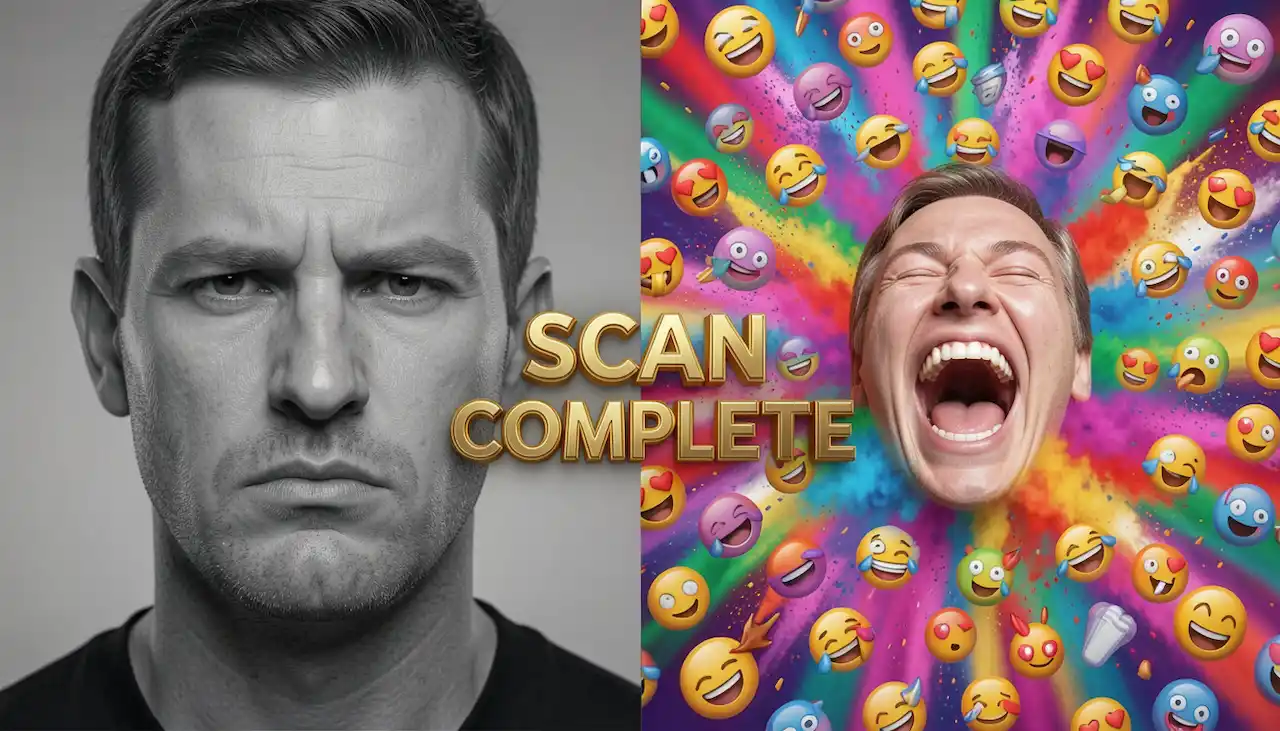
Users tend to match general comments found in face-scanning results, such as 'you are being envied' or 'there is a weight on you,' with specific events in their own lives. Also known in psychology as the 'Forer Effect,' this situation satisfies the human desire to hear things about themselves (narcissistic need) in a humorous way. Academically, this allows the individual to look at their own life from an ironic, external perspective. Even though we know it's a prank, that small shred of feeling that the result came from our 'facial features' is a cognitive anchor that increases the dose of entertainment.
Mobility and the Accessibility of Instant Humor
While making a joke in the old days required preparation or the right time, today's simulation tools in our pockets have made humor 'location-independent' and 'instant.' A face-scanning session started in seconds on a plane, a bus, or at a family dinner acts as an 'ice-breaker' that diffuses the tension of the environment. Within the framework of academic media literacy, this can be read as the 'democratization of technology.' Humor is no longer the monopoly of television or theater; it is a digital competency at every individual's fingertips.
The Commodification and Lightening of the Face in Visual Culture
The modern world forces us to constantly identify our faces somewhere (Face ID, passport control, etc.). This situation turns our face into a serious and tense object, like a 'security key.' Face-scanning simulations, however, 'take the mickey' out of this gravity and turn our faces back into fields of joyful expression. Academically, this is a humorous resistance against the pressure of the 'surveillance society' created by technology. Being able to use our face not just for 'diagnosis' but for 'amusement' is proof of our spiritual freedom in the digital world. Humor is the most noble antidote to seriousness.
Conclusion: A Joyful Life in the Radiance of Algorithms
In conclusion, face-scanning simulations and the funny results they offer provide a small, bright, and radiant break within the chaos of life. Turning the massive and sometimes intimidating power of technology into a vehicle for laughter is a victory of human intelligence and sense of humor. Patiently 'scan' your friends' faces, discover the regional flavor and algorithmic wit in the results, and spread this joy around you. Remember that the best scanning device is a friend's shining eyes. Now pick up your phone and answer the seriousness of the world with a face-scanning prank.
Nazar Savar: Face Scan Prank — Experience This Now
Download our app to explore all these features and more.