Animal Sound Piano: Auditory Intelligence and the Cognitive Impact of Natural Tones
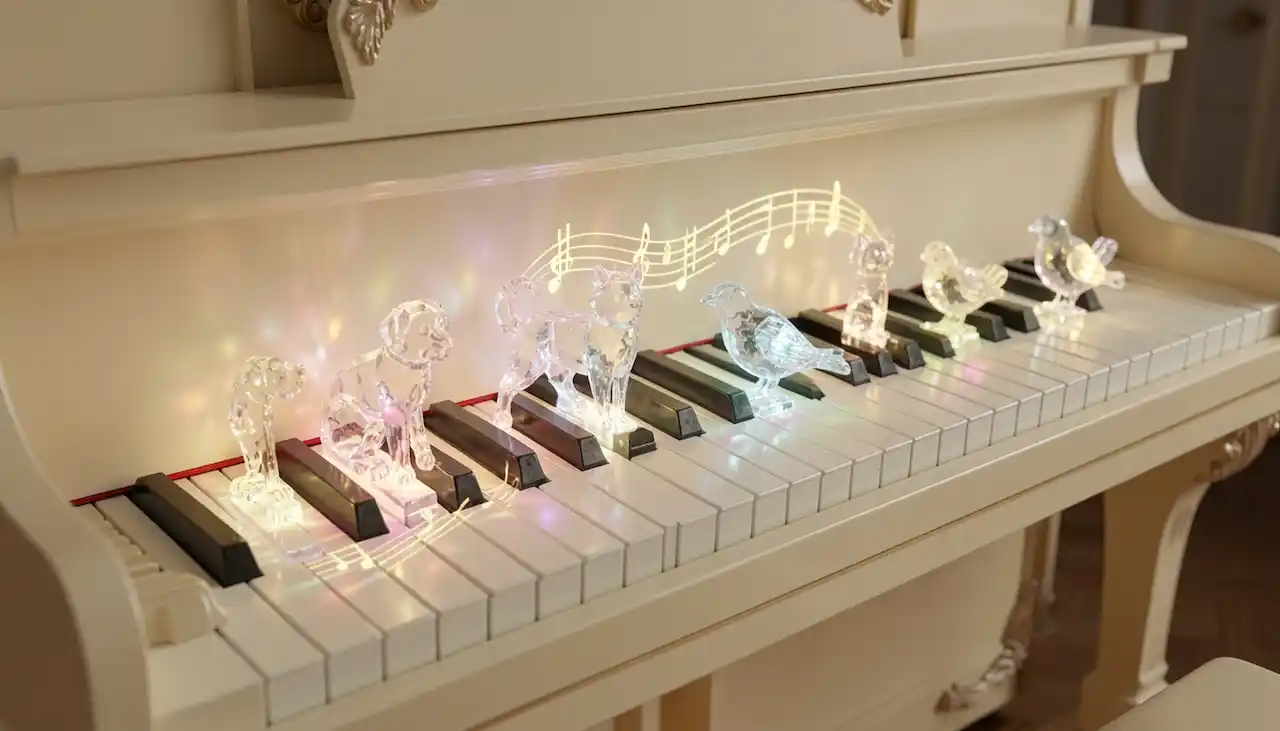
Playful Melodies: Integrating Nature's Sounds into the Musical System
A child's first insights into the world are shaped through their sensory perceptions. Specifically, the auditory channel is the most dominant tool for a baby or child to identify 'living' entities in the outside world. Methodologies that combine animal sounds with standard piano notes build a strong cognitive bridge between the 'abstract note' concept and the 'concrete living sound.' From an academic perspective, this method is based on 'Sound Symbolism' theory. Presenting familiar sounds like a dog's bark or a cat's meow with a specific frequency and rhythm stimulates echoic memory at a maximum level. In this guide, we examine the role of natural sounds in education with scientific depth.
Musical-Auditory Intelligence and Sound Recognition
Auditory intelligence is the ability to recognize, distinguish, remember, and create new structures with sounds. While standard piano sounds may initially seem monotonous and foreign to a child, tones carrying an organic and emotional load—like a dog's voice—instantly activate the brain's limbic system. Academic studies show that learning bonds children establish with 'familiar' sounds are 50% more permanent. A child searching for the note of a bark is actually performing frequency analysis. This micro-analytical process creates a massive data processing capacity in the brain's temporal lobe. Sound is the mind's most natural toy.
Development of Rhythm through Animalistic Emphasis
Rhythm is the fundamental order of life; everything from a heartbeat to a walking pace is rhythmic. In animal sound piano setups, repeating sounds at a certain tempo (beating) facilitates the child's internalization of the 'pulse' concept. For instance, holding a fast rhythm with rapid barks allows the child to physically feel the concept of 'tempo.' Academic pedagogical guides emphasize that rhythm education directly supports mathematical sequencing and logical reasoning skills in children. A rhythmic animal choir is the mathematical order of language transformed into art. Order brings tranquility and success.
Semantic Connections and Learning through Imitation (Mimesis)
Children begin learning to speak by imitating sounds in nature (onomatopoeia). Playing with an instrument that features animal sounds elevates this imitation process to an artistic level. Academically termed 'Mimesis' (learning through imitation), this act strengthens semantic memory. The combination of the animal figure, its specific sound, and the melody formed by that sound builds a massive communication network between the brain's visual, auditory, and semantic regions. This network enables the child to perceive the world in 360 degrees. Information only becomes true gain when it merges with an emotion or a familiar image.
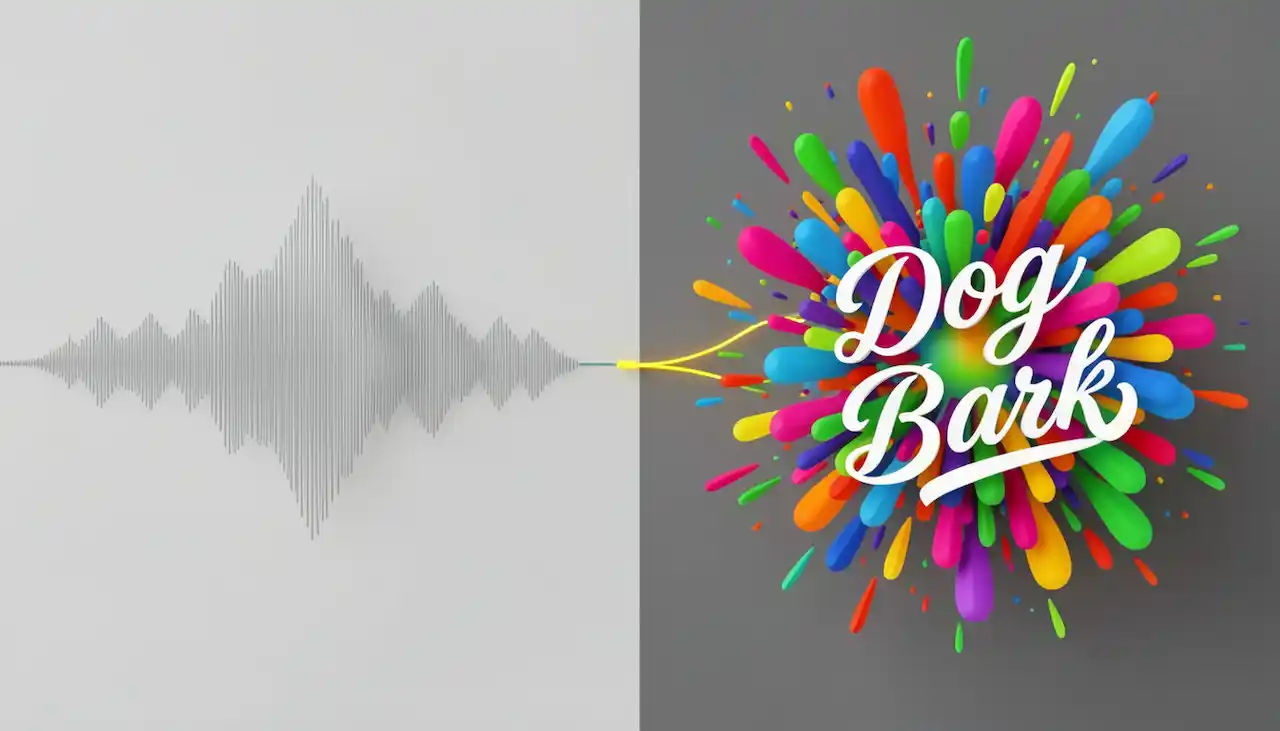
Creativity and the Courage for Improvisation
The biggest obstacle in music education is the 'fear of making mistakes.' While pressing a wrong key in classic piano sounds might be perceived as a glaring error, in an animal sound system, every key press produces a fun result. This 'safe trial area' releases the child's creativity and improvisational talent. A child creating their own 'dog choir' melodies is actually planting the first seeds of composition ability. Academic creativity theories confirm that environments free from the fear of judgment are exactly what nurture growing brains. Creativity is a bold paw print left beyond boundaries.
Extending Attention Span with Acoustic Anchors
The digital pollution of the modern era leads to attention deficit in children. However, 'high-interest' stimuli like animal tones stimulate the brain's attention centers (thalamus), keeping the focus at a single point. A child concentrates longer on the game just to hear the sound of an animal they love. Academically called 'Acoustic Anchoring,' this situation increases the time a student remains on a task (task persistence). Music is a radiant magnet pulling attention toward the focal point. Every sound waited for with patience is a moment of victory for the mind.
Music as a Common Language in Parent-Child Interaction
Musical games are unique social platforms for strengthening family bonds. A parent accompanying the 'animal melodies' created by the child by smiling or keeping rhythm activates the 'Joint Attention' mechanism. Academic sociology studies show that cheerful sounds produced together increase the sense of trust within the family by 40%. Technology should be an intermediary that enriches the parent's affection and communication with the child. The unique bond between a smile and a bark is the most sincere lesson note. Love is the greatest teacher.
Conclusion: Building an Aesthetic World with Nature's Sounds
In conclusion, the animal sound piano methodology is a magnificent blend of science and fun in child education. Offering nature's purest sounds through a musical discipline gifts the child not just a game, but also a robust nervous system, high auditory perception, and a rich imagination. Families who use the right content with correct timing and boundless love will create a massive difference in their children's development. Remember that an ear that can hear nature opens to a heart that can understand life. Now is the time to let your child's fingers rest on those magic keys and join nature's joyful symphony.

Cute Dog Piano: Music for Kids — Experience This Now
Download our app to explore all these features and more.