Elif Ba Pedagogy for Children: Play-Based Learning and Cognitive Preparation
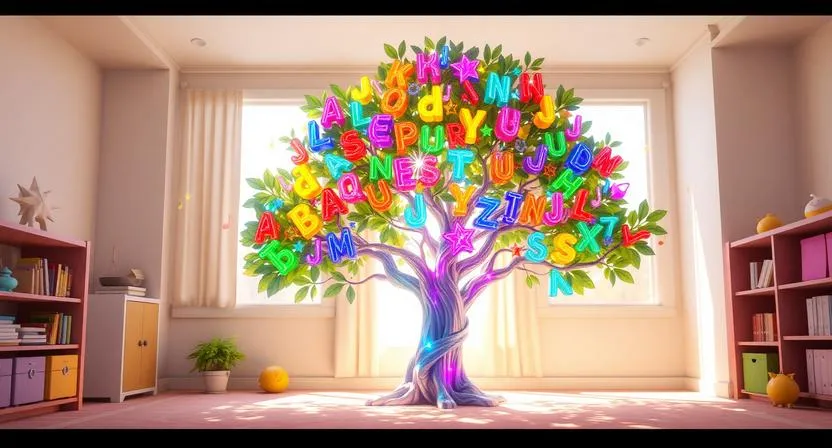
Quran Education Specially for Kids: Language Acquisition in Early Childhood
Childhood is the stage where the brain's neuroplasticity capacity is at its peak and the ability to learn a language occurs most naturally. Teaching Quranic letters to children is not just a transfer of technical information; it is a process that shapes their aesthetic perception, phonetic skills, and spiritual worlds. According to academic pedagogy principles, 'curiosity and love' should be at the forefront of child education, not 'compulsion.' Matching the first contact with Quranic letters with a positive emotional state lays the foundation for the sense of belonging the child will cherish toward this sacred text throughout their life. In this guide, we analyze strategies suitable for children's cognitive development stages with academic language.
Play-Based Learning: A Fun Journey into the World of Letters
For children, life is a game; therefore, learning should also be a part of the game. Instead of presenting letters as abstract symbols in Elif Ba education, naming or characterizing them according to their 'shapes' (for example, 'the Ba that looks like a plate,' 'the He with glasses') triggers iconic memory. This method, called 'Gamification' in academic literature, transforms learning from a 'chore' into a 'discovery.' Coloring letters, imitating sounds, and interactive reward systems keep motivation alive by increasing dopamine secretion in the brain. Play is the most joyful form of seriousness, and through this path, the child absorbs information in seconds.
Phonemic Awareness and Auditory Sharpness Training
Children's ear structure is much more flexible than adults' when it comes to imitating new sounds. While teaching the unique points of articulation of Arabic letters to children, matching these sounds with sounds in nature (for example, 'Ze like a bee buzzing' or 'Ha like the sound of water') increases phonemic awareness. Academic studies show that multisensory stimuli support lasting learning in children by 75%. Seeing the letter, hearing its name, and performing a movement suitable for that sound engages the brain's visual, auditory, and motor centers simultaneously. Sound should turn into colors in the child's world.
Cognitive Load Management and Micro-Learning Steps
The attention span of children is limited. Instead of long and tiring lesson sessions, 5-10 minute 'micro-education' doses spread throughout the day are academically much more efficient. Focusing on just one or two new letters in a day makes it easier for the brain to code the information and transfer it to permanent memory (consolidation). Grouping letters by creating similarities between them prevents mental confusion. A successful pedagogical process should ensure the child feels the 'I did it' emotion at every stage. Small steps are the harbingers of great victories. Patience is the greatest treasure hidden behind every letter.

Emotional Intelligence and Learning by Modeling
Children imitate what they see rather than what they are told. The peace and excitement a parent or educator feels while reading the Quran is the most effective lesson note for the child. Evaluated within the framework of 'Social Learning Theory' in academic psychology, this situation shapes the child's value judgments. Praising the child's success and correcting their mistakes with patience and a smile creates a 'safe learning space' for them. Quranic education is not just a mental activity; it is a heart-to-heart bridge. Love is the most powerful teacher, and no knowledge taught with fear can settle permanently in the depths of the soul.
Controlled and Qualified Use of Digital Tools
For today's children, who are digital natives, technology is a natural instrument of learning. Audio and animated content keep interest at its peak by breathing life into the static structure of letters. However, the critical point here is positioning technology not as a 'babysitter' but as an 'educational assistant.' According to academic User Experience (UX) criteria, children's content should be stripped of complex advertising noise and rapid visual transitions. Voicing letters through interactive touches gives the child a sense of 'I am in control,' strengthening the feeling of self-efficacy. Technology should be the rational partner of compassion.
Patience and Continuity: The Pedagogical Key to Success
Every child's learning speed and style (visual, auditory, kinesthetic) is different. Some children grasp letters in a week, while for others, this process may take a month. In academic success, 'continuity' is essential, not 'time.' It is necessary to greet the letters regularly every day, including them in life like friends. The child's right to make mistakes should be reserved, and every 'wrong' should be turned into a learning opportunity. Patience is the noblest form of education. It should not be forgotten that only the Creator knows when the seed sown in the heart will bloom; our duty is to water that seed with love. Consistency gives birth to miracles.
Conclusion: The First Seeds of a Radiant Future
In conclusion, Elif Ba and Quranic education for children is a sacred trust that must be carried out with correct techniques, scientific data, and unending compassion. Every educational process that combines the power of play, the mathematics of sound, and the healing effect of love will end in success. We should introduce the Quran to our children not just as a book, but as a radiant friend that will illuminate their lives. These foundations laid at an early age will ensure they grow into individuals with solid character, developed aesthetic sense, and a conscience. Now is the time to start this radiant journey with a smile. The future belongs to the generations raised in the light of the word.

Learn Quran Elif Ba with Audio — Experience This Now
Download our app to explore all these features and more.