Elif-Ba Teaching Techniques for Children: A Guide to Loving the Quran Through Play
Touching the Hearts of the Future: Pedagogy of Quranic Education in Children
Childhood is the most sensitive period where character and spiritual foundations are laid. For religious education given during this time to be permanent and healthy, the 'language of love' and 'play' are two indispensable elements. The biggest risk when teaching Elif-Ba to children is presenting this process as a mechanical memorization or a compulsory task. This can lead the child to associate sacred values with the concept of 'pressure' in their mind. In contrast, a **pedagogical approach** aims to transform learning into a journey of discovery.
In the world of children, play is the most serious business. Comparing letters to cartoon characters while learning, coding them with colors, or matching the sounds of the letters with sounds from nature (for example, associating the letter 'ha' with a laughing sound) are basic examples of the **gamification** technique. A child who receives a reaction when they touch a letter and is validated when they get it right views the learning process as fun. Interactive content from digital platforms is the greatest help for parents at this point.
The focus span in children is much shorter than in adults. It cannot be expected for them to sit at a lesson for an hour. Instead, short but efficient sessions of 5-10 minutes spread throughout the day, what we call 'micro-learning,' should be preferred. **Auditory and visual stimuli** keep the child's attention alive and prevent boredom. Every letter should be a story, every lesson a milestone of success. Concrete rewards or digital badges significantly boost the child's self-confidence.
The parent's role in this process is not just as a 'teacher' but primarily as a 'model.' Children imitate what you do rather than what you say. A child who sees you using a tablet or phone to read the Quran, look at hadiths, or perform dhikr (remembrance of God) accepts this action as a natural part of life. The **learning together** process strengthens the spiritual bond within the family while transforming education from a command-and-control chain into a shared activity.
Digital security is one of the most justified concerns of today's parents. An educational tool that appeals to the pure minds of children must be free from ad clutter and inappropriate content. It is essential that the chosen platform has passed through a **pedagogical filter** and offers theologically reliable information. Whether the digital device in your child's hand is a 'time killer' or a 'value adder' depends on your choices.
The tone used when giving religious education to children determines their future perception of religiosity. Instead of a fear-based approach like 'it's a sin if you don't do it,' a promising and love-oriented language should be established. Allah's mercy and the peace the Quran gives to the heart should be emphasized. Education focused on **emotional intelligence** ensures that knowledge doesn't just stay in the head but sinks into the heart.
In conclusion, teaching the Quran to children is the greatest gift you can give them in life. This process must be managed with patience, technological conveniences, and, most importantly, compassion. A well-designed mobile guide can be not just a beginning, but the first spark of a lifelong friendship with the Quran. Keep their sense of curiosity alive, celebrate their success, and transform this journey as a family into a spiritual feast.
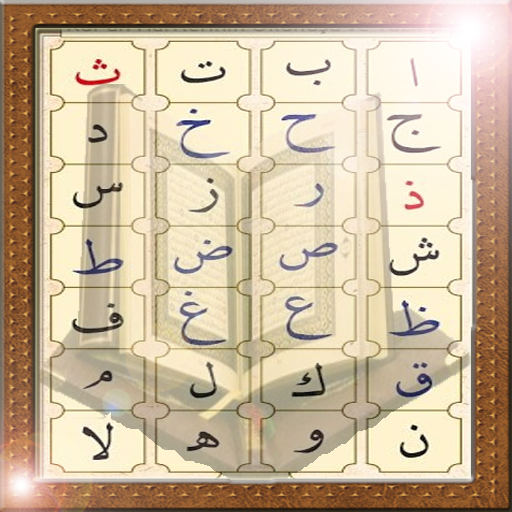
Learn Quran with Audio Elif Ba — Experience This Now
Download our app to explore all these features and more.