Success in History Teaching: Refined Summaries and Lasting Learning Strategies

Modern Approaches in History Teaching: Transforming Information into Wisdom
Teaching history is not about drowning the student in names and dates; it is about making them grasp the spirit of events and the logical weave within cause-and-effect relationships. In modern methodology, which has replaced the traditional rote-learning system, 'refined summaries' and key-concept focused study methods play a leading role. It is difficult to classify hundreds of pages of complex texts in the mind; however, professionally prepared summaries clear the confusion and allow information to become crystalline. Creating cognitive schemas helps store historical processes in the mind with the order of a library.
The Power of Summaries and Time Management in Exam Success
In highly competitive exams such as TYT, AYT, and KPSS, the candidate's greatest enemy is time. Reading every subject in depth and repeatedly is nearly impossible in the current exam marathon. This is where 'smart summaries' come into play. These summaries present not just the date of a war, but why that result was achieved in a distilled manner. Studying with summaries purifies the mind of unnecessary details and increases the student's question-catching ability. Summaries supported by concept maps and chronological tables facilitate recall by 70% by providing a concrete and visual structure to abstract historical processes.
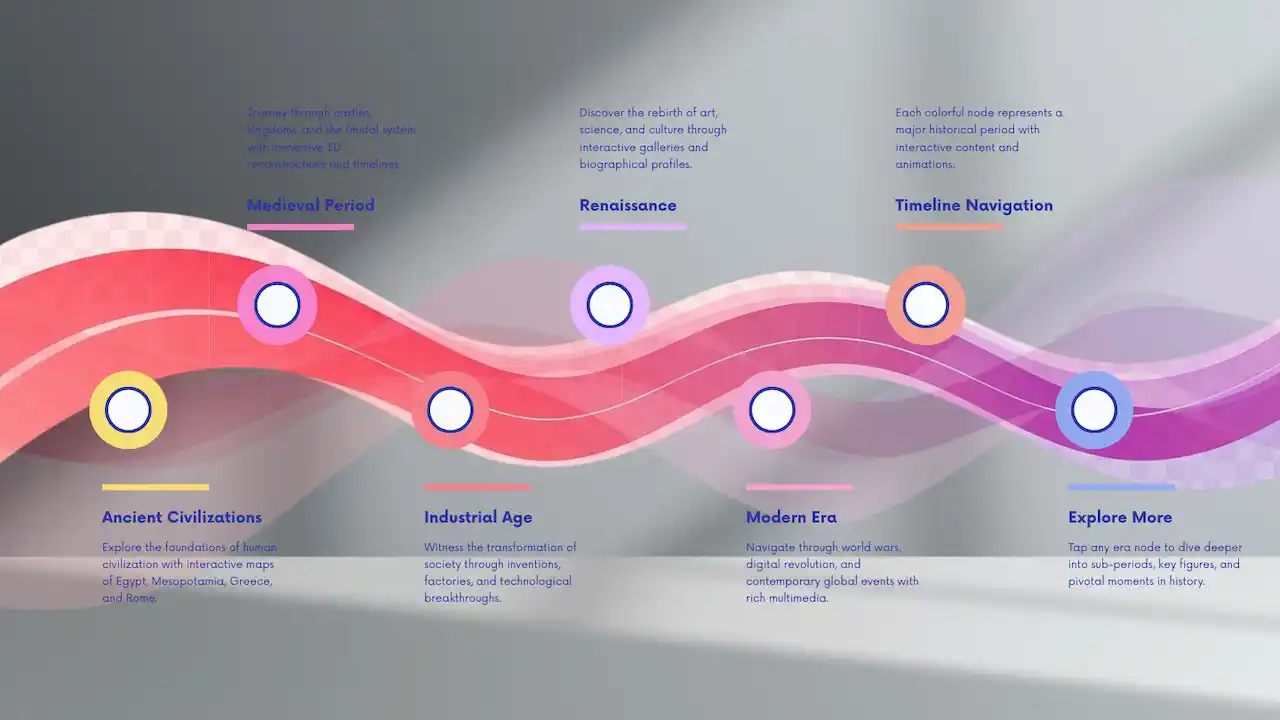
Holistic and Interdisciplinary History Readings
History must be understood not just as a text, but as an ecosystem. It is impossible to understand why Manzikert is the gateway to Anatolia without knowing geography. An effective teaching method relates history to geographical conditions, the art style of the period, and the social structure. A good history summary should possess the quality of a 'bridge text' that establishes these connections. If a student can visualize the map of that period while reading about a war, then learning has become permanent. A multidisciplinary approach transforms the history lesson into a general culture treasure.
Active Learning and the Conveniences of Digital Transformation
The way to turn history lessons from a burden into a journey of discovery is through active participation and regular repetition. A student who creates their own summary or revises through high-quality ready-made summaries internalizes the information. Today, digital history summaries accessible via mobile applications offer the student the opportunity for 'micro-learning' in every spare moment. Systems that can work offline remove obstacles in accessing information and ensure continuity. In conclusion; the right method, refined information, and disciplined repetition bring not only exam success in history lessons but also an intellectual depth. Analytical thinking is the most precious skill distilled from the dusty pages of history.
TYT AYT History Topics and Summaries — Experience This Now
Download our app to explore all these features and more.