Easy Methods to Put Babies to Sleep: Biological and Pedagogical Strategies
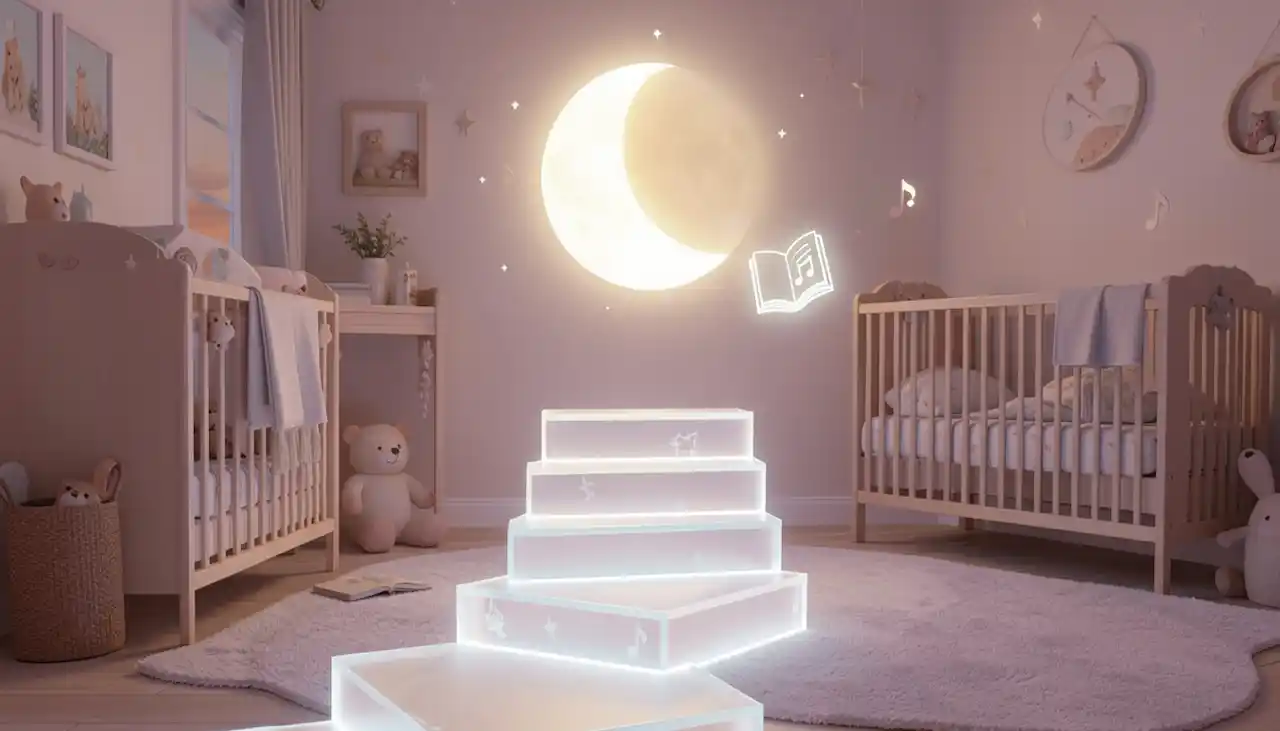
Practical Guide: Understanding Sleep Physiology in Infants
Putting a baby to sleep might feel like a moment of crisis for many parents, but it is actually the art of managing a biological rhythm. Infants' nervous systems are far more open to external stimuli compared to adults, making their 'sleep transition' process difficult. In academic literature, sleep is not a system that is simply switched off; it is a gradual slowing-down process. The secret to easily putting a baby to sleep lies in bringing their physiological needs and environmental conditions into perfect balance. In this guide, we examine science-based and practical approaches in an academic tone that will transform sleep from a struggle into a natural flow.
Music and Rhythm: Synchronizing Brain Waves
Music is the most effective 'neural regulator' in the process of putting a baby to sleep. The human brain shows a natural tendency toward synchronization (entrainment) in response to rhythmic stimuli. Lullabies playing at a steady tempo (60-70 beats per minute) allow the baby to align their heart rate and breathing speed with that tempo. Academic research has proven that rhythmic lullabies calm the 'thalamus' region of the brain, filtering sensory inputs. This enables the baby to disconnect from the noise of the outside world and focus on their own inner peace. Rhythm is the only sanctuary for the baby within the chaos. When the music begins, the biological system switches to 'surrender' mode.
Constructing a Sleep Routine: The Power of Predictability
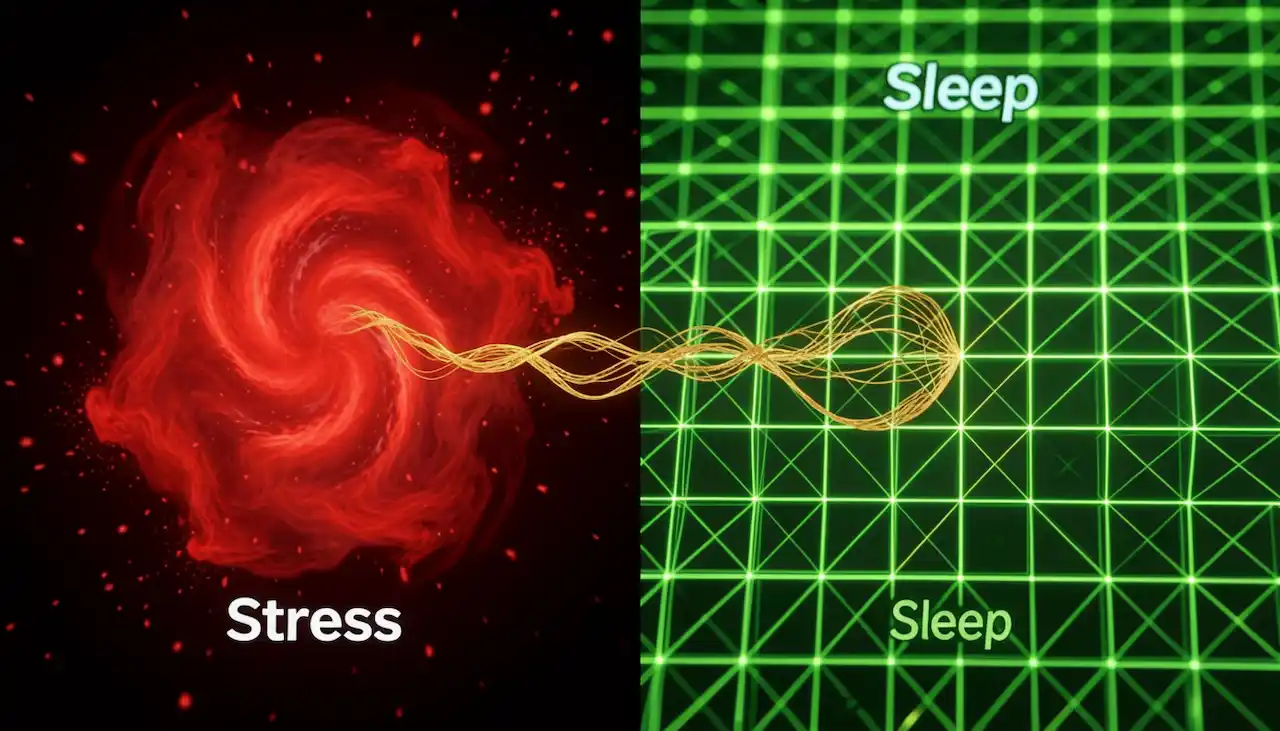
The most fundamental need of infants is security, and security is directly related to 'knowing what will happen next.' Actions performed in the same order every night (warm bath, massage, putting on pajamas, and listening to a lullaby) create a 'sleep map' in the baby's mind. In academic pedagogy studies, this process is called 'classical conditioning.' When the baby hears the first notes of a lullaby, their brain automatically begins to secrete sleep hormones (melatonin). Routine prevents the rise of cortisol (stress hormone) caused by uncertainty, allowing the baby to transition peacefully from your arms to the bed. Routine is disciplined affection.
Light and Color Management: Photobiological Preparation
The spectrum of light is vital during the infant's transition to sleep. Exposure to 'blue light' (digital screens, bright LEDs) in the evening hours stops the brain's melatonin production and puts the baby into a false wakefulness mode. Completely darkening the room during the sleep process or using only very dim 'amber' toned light is an academic necessity. This dark environment also enhances the effect of lullabies; because where visuals are silenced, auditory perception deepens. When the eyes rest, the brain surrenders more easily to the luminous timbres of the lullaby. Darkness is the closest friend of sleep.
Skin-to-Skin Contact and Thermoregulation
No technological device provides as fast a calming effect as the parent's warmth and skin contact. Leaning the baby against your chest during the process allows them to hear your heartbeat (the natural rhythm). Additionally, balancing body temperature (thermoregulation) is a biological prerequisite for sleep transition. Academic data confirms that keeping the room temperature between 18-22 degrees Celsius and avoiding overdressing the baby reduces sleep disruptions by 40%. Physical relaxation opens the door to mental tranquility. The baby is most ready for sleep when their body cools down and their heart is warmed.
Nutrition-Sleep Relationship: Metabolic Balance
Overfeeding (risk of reflux) or leaving the baby hungry right before sleep directly sabotages sleep quality. A gap of at least 30-45 minutes for 'digestion and calming' should be placed between feeding and sleep. Academic nutrition guides suggest that the final meal before sleep should be planned to not burden the baby but to maintain a feeling of satiety. A baby who is full, burped, and whose digestive system is relaxed will fall into the soothing arms of a lullaby much faster. Metabolic peace is the cornerstone of uninterrupted sleep.
From Learned Helplessness to Self-Soothing
Among methods of putting a baby to sleep, the most debated topic is letting the baby 'cry it out.' Modern pedagogy emphasizes that this method creates 'learned helplessness' in the baby and pushes stress levels to their peak. Instead, 'gradual withdrawal' or 'support accompanied by lullabies' methods should be preferred. The baby should feel, through the continuous sound of the lullaby, that they are in their bed but not alone. An infant who learns to self-soothe can return to sleep without panicking even when they wake up at night. Patience is the greatest capital of education.
Conclusion: A Night Woven Stitch by Stitch with Love
In conclusion, easily putting a baby to sleep is not just a technique; it is a deep empathy that listens to their needs. When you combine correct methodologies, scientific data, and limitless love, bedtime will cease to be a nightmare and transform into a moment of 'union and peace.' Every night, re-grow your baby under the luminous guidance of lullabies, in the secure arms of routine, and in the serenity of darkness. Remember that every calmly sleeping baby is part of a happier and more balanced world of tomorrow. Now, take a deep breath and step into that magical world of lullabies with your baby.

Lullabies & Sleep Music: Peaceful Sleep Guide — Experience This Now
Download our app to explore all these features and more.