Vehicle Technology and Engine Knowledge: An Engineering Summary for Driver Candidates
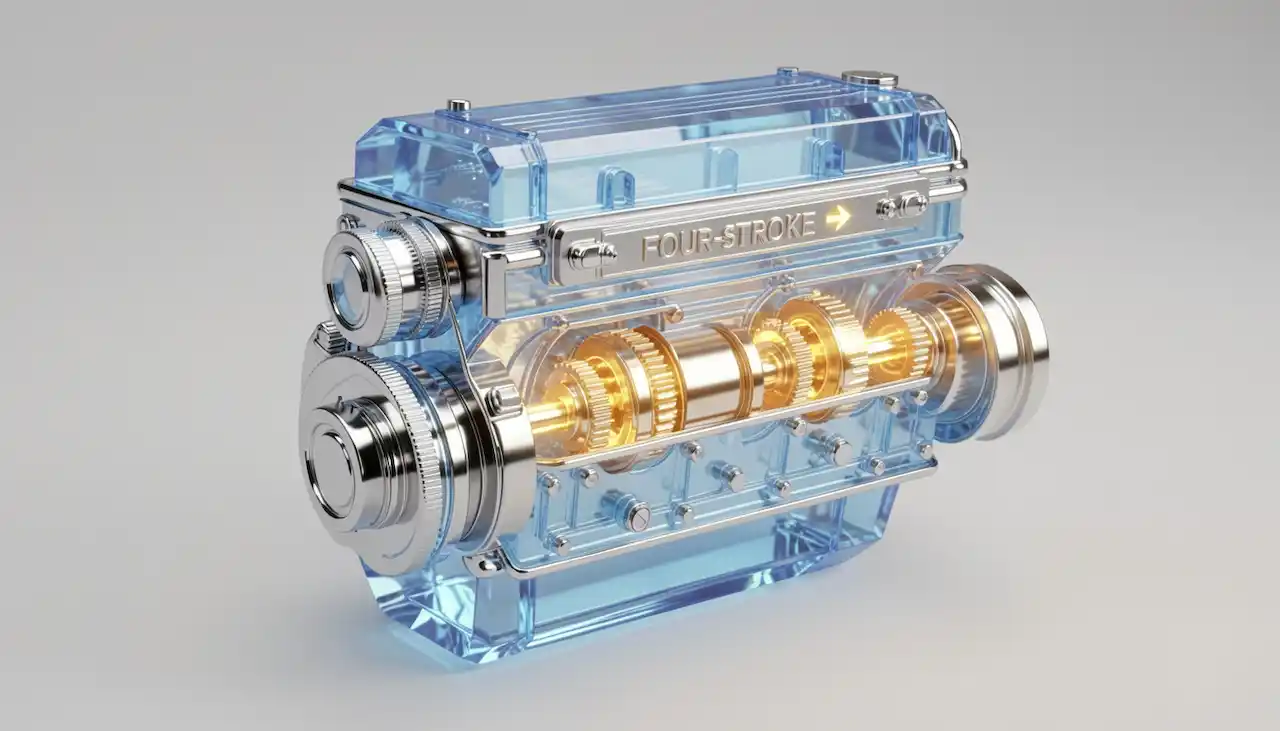
Simplify Engine Knowledge: Journey to the Heart of the Machine
The 'Vehicle Technology' section of the driving license exam is one of the most feared areas for many driver candidates due to the weight of the terminology. Yet, the working logic of a modern automobile consists merely of the total of a few basic systems working in harmony. Thinking of the engine as the heart of the vehicle and likening the systems to vessels carrying blood to this heart makes the subjects more understandable. In this guide, we handle the engine parts and systems that appear most in the exam in an academic language using the engineering simplification method. Getting to know the engine is the first step to mastering the vehicle.
Working Principle of the Four-Stroke Engine
The 'strokes,' an indispensable question of the exams, are the foundation of internal combustion engines. It is necessary to embed these four stages, listed as Intake, Compression, Power (Combustion), and Exhaust, into the mind as a cycle. The processes of taking fuel into the cylinder (intake), compressing it with a piston, igniting it with a spark plug (in gasoline vehicles), and expelling the burnt gases (exhaust) explain how the vehicle produces its power. Knowing that the biggest difference between diesel engines and gasoline engines here is the 'ignition method' (spark plug vs. spray/pressure) allows you to solve the technical comparison questions you will encounter in the exam.
Lubrication and Cooling Systems: Protectors of the Engine
The systems that prevent the engine from overheating and parts from wearing out due to friction determine the life of the vehicle. The lubrication system prevents wear by creating a film layer between moving parts. The answer to the frequently asked question 'What should be done when the oil lamp is on?' is 'stopping the vehicle immediately' due to the risk of the engine taking serious damage (seizing). The cooling system consists of parts such as the radiator, thermostat, and antifreeze. The information that antifreeze should be used in every season to prevent corrosion, not just in winter, is an important technical detail at an academic level.
Power Transmission Organs: Transmission of Motion to the Wheel
The stops through which the power produced in the engine passes until it reaches the wheels are: clutch, gearbox (transmission), shaft, differential, and axles. Knowing that the basic duty of the differential is to 'ensure that the inner and outer wheels rotate at different speeds in corners' allows you to conduct a mechanical logic. The meaning of the numbers on the tires (tread width, sidewall height, etc.) and the effects of tire air pressure on driving safety are critical headings for both the theoretical exam and the driving test. Vehicle technology is the physical ground of safe driving.
Lighting and Warning Systems: The Language of the Vehicle
The instrument panel is the screen where the vehicle communicates with the driver. Red warning lights (Oil pressure, charging, heat) indicate life danger, while yellow or orange lights (Engine failure, ABS) remind that a check should be performed. In the exam, it is frequently questioned that in case the charging lamp (battery symbol) lights up while driving, an alternator failure should be suspected. Regular checking of headlight settings, signals, and brake lights is essential not only for the exam but also for visibility and safety (dignity) in traffic.
Fuel Economy and Environmental Awareness
In modern vehicle technology education, subjects of fuel economy and preventing environmental pollution occupy a large place. Using a high gear at low RPM, avoiding sudden acceleration and deceleration, and performing periodic maintenance on time (air filter change, etc.) are the cornerstones of fuel economy. Headings such as the control of exhaust emission values and the function of the catalytic converter measure the driver candidate's ecological awareness. A good driver is not just the person who moves the vehicle, but the one who can manage it most efficiently and with the least harm.
Winter Maintenance and Safety Equipment
Preparing the vehicle for seasonal conditions is the most important part of driving safety. The use of winter tires, glass water control, the condition of wipers, and compulsory equipment to be present in the vehicle (chock, tow rope, first aid kit, etc.) appear in the 'knowledge' part of the exam. Especially practical details such as which wheels (the wheels where the traction is) the chain installation process will be performed on prove the candidate's technical readiness. Opening the hood of a vehicle and seeing the parts in place while studying these details materializes theoretical information and eliminates the need for memorization.
Conclusion: Contribution of Technical Knowledge to Driving Self-Confidence
In conclusion, the vehicle technology and engine knowledge lesson is a guide that integrates the driver candidate with their vehicle and whispers what to do in the face of possible failures. Instead of fearing engineering terms, questioning 'why' each part is there transforms the learning process into an academic discovery. Getting full marks from this section in the exam not only increases your score but also ensures you have more mastery over the vehicle when you sit in the driver's seat. A driver equipped with knowledge is the safest and most conscious actor on the roads. Now open the hood and start getting to know the parts of that magnificent system.

Driving Lessons & Exams 2026 — Experience This Now
Download our app to explore all these features and more.