Most Famous Novel Characters and Detailed Psychological Analyses
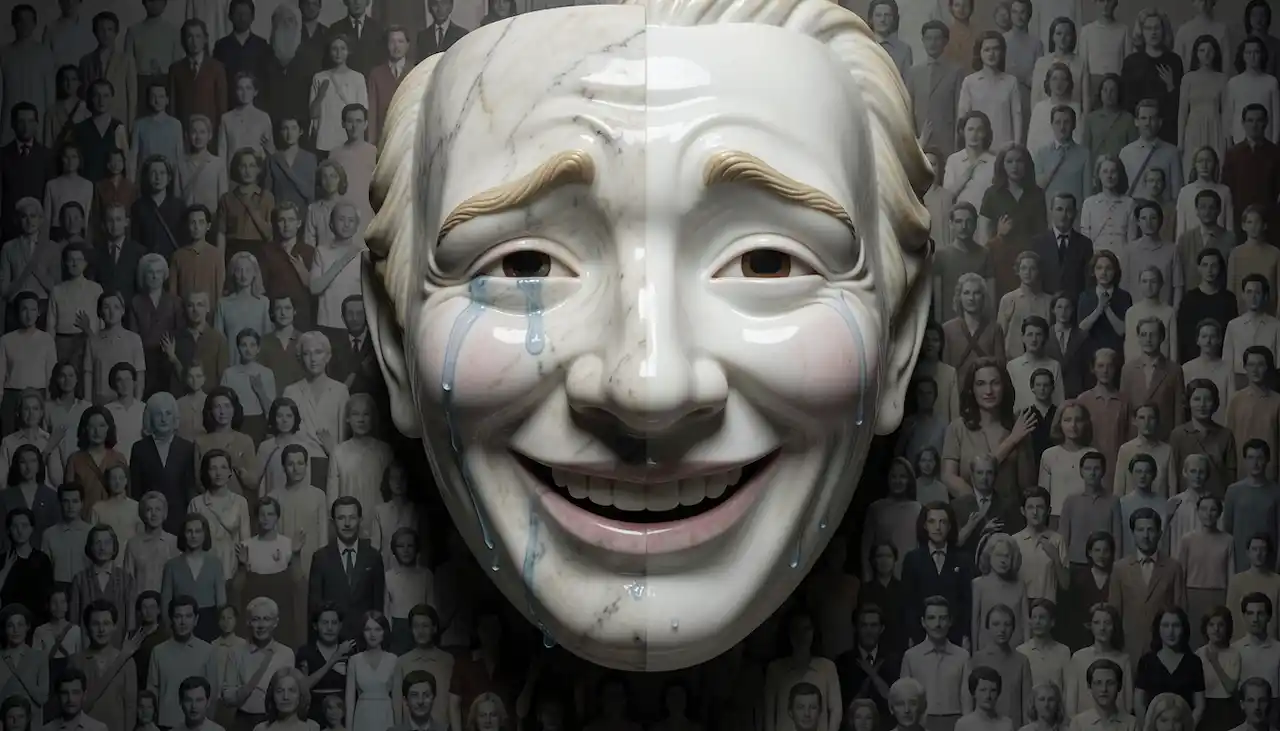
The World of Characters: The Living Souls of Literature
The greatest achievement in literary history is the ability to create flesh-and-blood, feeling, and thinking characters from ink stains on paper. What makes a novel unforgettable is not its plot, but rather the characters in whom the reader finds a piece of themselves or whom they admire. In academic criticism literature, character analysis is not just defining a name; it is determining the psychological depth of that name, its social position, and its place among archetypes. To examine the giant heroes of domestic and foreign literature is actually to watch thousands of years of evolution in human psychology. They are our unspoken cries, our secret ambitions, and our endless hopes.
Raskolnikov and the Heavy Burden of Conscience
Rodion Raskolnikov, the protagonist of 'Crime and Punishment,' is one of the most complex characters in the literary world. His analysis lies in the tension between the desire to be a 'superior man' (Ubermensch) and the fundamental human conscience. Raskolnikov is the most concrete example of how a crime committed for the sake of an ideology shatters the individual's soul. He is not just a killer; he is an intellectual lost in search of justice, tested by poverty. Dostoevsky presents the conflict between the laws man sets for himself and the immutable laws of nature through Raskolnikov with genius language. His healing process represents the soul's capacity for purification.
Jean Valjean: A Saint Born from the Ashes
Jean Valjean, at the center of 'Les Misérables,' is a symbol of absolute transformation. Evolving from a galley slave to an honorable mayor and a self-sacrificing father, Valjean is the strongest literary evidence of the belief that 'man can change his destiny.' The most prominent feature of the character is his ability to maintain mercy despite all the injustices he faced. Inspector Javert, who stands against Valjean, is the representative of an inflexible and soulless understanding of law. The contrast between these two characters stages one of the greatest ethical debates in literary history. Valjean is the name of a light filtering through the darkness.
Ahmet Cemil: The 'Dreamer' Intellectual of Turkish Literature
Ahmet Cemil, the hero of the novel 'Mai ve Siyah,' embodies all the characteristic features of the Servet-i Fünun era intellectual. The fact that his journey, which began with blue (mai) dreams, ended in black frustration is not just the disappointment of an individual, but of a whole generation. Ahmet Cemil is an oversensitive, melancholic character who is defenseless against the harshness of real life. His analysis is vital for understanding the inner world of the Ottoman intellectual suffering from Westernization pains. He is one of the earliest and most aesthetic examples of the 'unconnected' (tutunamayanlar) lineage in Turkish literature.

Bihruz Bey: A Caricature of Misguided Westernization
Bihruz Bey in Recaizade Mahmut Ekrem’s 'Araba Sevdası' is the pinnacle of the 'dandy' type in our literature. Alienated from his own culture and focused only on outward appearance and brand values, Bihruz is an object of social criticism. The psychological analysis of the character reveals not an identity crisis, but a comedy of 'identitylessness.' The tragicomic love story he experiences is actually proof that knowledge and manners cannot be imitated. Bihruz Bey has taken his place in our literary history as a timeless reflection of the 'formalist' human profile that we can encounter in every era.
Archetypes and Symbolism in Character Analysis
Great novel heroes are usually reflections of archetypes defined by Carl Jung (Wise Old Man, Hero, Shadow, Persona). For example, Don Quixote represents the 'pure idealist' archetype, while Sherlock Holmes embodies the 'cold rationalist' figure. Even the physical traits, names, and the places where the characters live carry symbolic clues about their personalities. When analyzing a character, determining their 'points of conflict' with other characters is the shortest way to reach the main idea of the work. Literature rehearses life through characters. Their decisions are simulations of our possible choices.
Psychoanalytic Criticism: Daring to Descend into the Hero's Childhood
In modern literary criticism, characters are analyzed from a Freudian perspective through the balances of id, ego, and superego. The nervous illnesses in Peyami Safa’s characters or the 'father complex' in Oğuz Atay’s heroes are the richest materials for psychoanalytic analysis. The dreams, slips of the tongue, and repressed desires of characters reveal the deep structure of the text. A good reader feels not just what the character does, but also the subconscious drives that trigger that action. Character analysis is not just reading a text, it is performing an 'autopsy' on that text.
Conclusion: An Inner World Enriched by Characters
In conclusion, novel characters are immortal friends who serve as mirrors to us. As we share their pains, our capacity for empathy develops; as we question their decisions, our power of reasoning grows. Experiencing pangs of conscience with a Raskolnikov, an identity conflict with a Bihruz Bey, or justice with a Valjean allows us to see life from thousands of different perspectives. These detailed analyses are not just academic studies; they are the most aesthetic parts of our effort to understand ourselves and the world. Now, are you ready to look deeper into the eyes of that character you love so much and discover the storms in their heart?

Novel Summaries: World Classics & Local Works — Experience This Now
Download our app to explore all these features and more.