Dhikr and Tasbih to Recite on Kandil Nights: The Full List
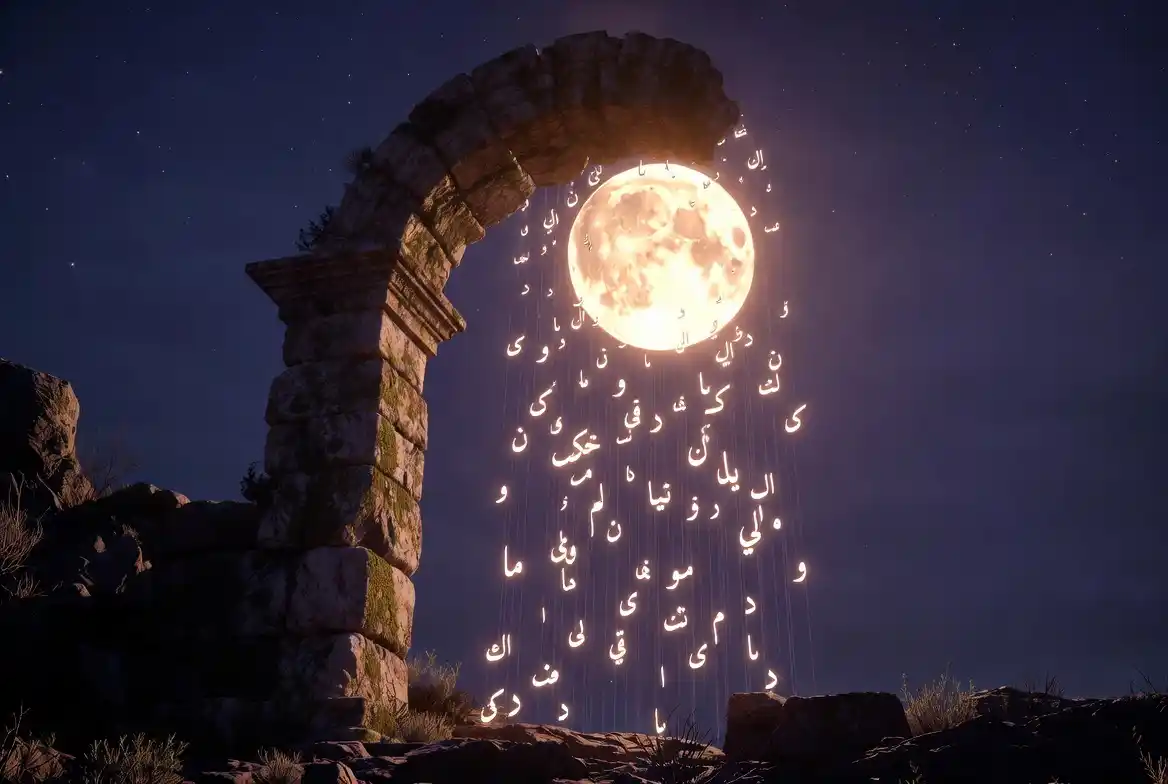
A Season for Spiritual Harvest: Reviving the Blessed Nights
The Kandil nights of Mawlid, Regaib, Mi'raj, and Barat, along with the Night of Power (Laylat al-Qadr) in the Islamic calendar, serve as springboards in a believer's spiritual life. These nights are spiritual harvest seasons where one detaches from the routine of daily life and turns toward the soul's true homeland. The dhikr and Salawat recited on Kandil nights carry a much more intense energy and blessing than tasbihat performed at ordinary times. This is because on these nights, the gates of heaven are flung open, and divine mercy descends upon the earth in torrents. These sacred slices of time are unique opportunities offered for the servant to renew their covenant with their Lord.
Dhikr Priorities and Wisdom According to the Kandils
The matter of which dhikr is more virtuous (awla) on which Kandil has been meticulously addressed by Islamic scholars. For instance, since Mawlid Kandil is the night when the Light of the Universe, our Prophet, graced the world, the crown of this night is sending Salavat-i Sharifa. On the night of Barat, dhikrs of istighfar (seeking forgiveness) and tawbah (repentance) come to the fore. In these moments where the servant confesses their own helplessness and seeks refuge in divine pardon, keeping the tongue busy with dhikr is the greatest shield against the hardening of the heart. Each Kandil has its own climate of dhikr suited to its spirit, and entering this climate ensures one benefits fully from the night's blessings.
Salat al-Tefriciye and the Spiritual Secret of Numbers
The 4444 Salat al-Tefriciye vird, which holds great significance in the Islamic world, is generally seen as the gateway to fulfilling great needs. Starting or completing this vird on Kandil nights multiplies its spiritual impact. However, in dhikrs involving such high numbers, the intention must be pure and the consciousness kept alert. Those who grasp the secret of numbers know that every single bead of the tasbih actually touches the heart of the universe with an 'astaghfirullah' or 'Allahumma salli.' Numbers are tools used to focus the mind and discipline it toward a spiritual goal.
Programmed Tasbihat: Illuminating the Mind and Heart
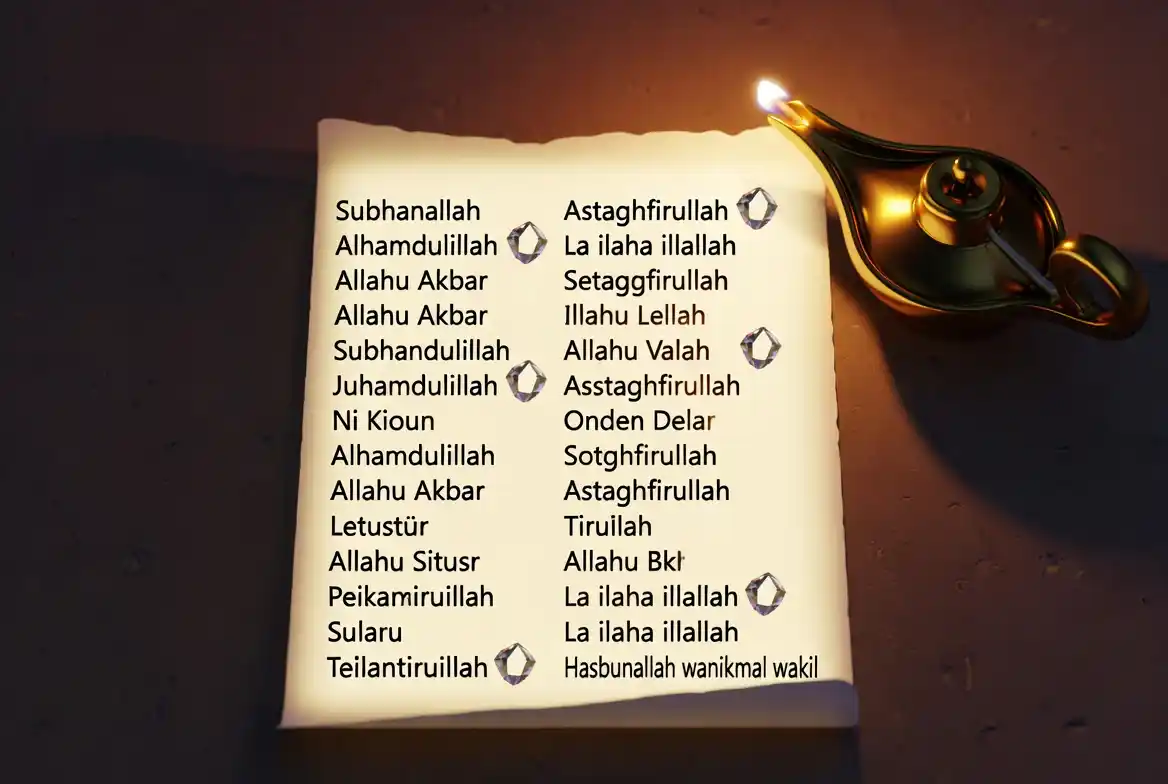
A tasbihat list prepared specifically for Kandil nights helps the believer program their night. Alongside fundamental dhikrs like 'Subhanallahi wa bihamdihi,' 'La ilaha illallah,' and 'Subhanallahi'l-Azim,' it is possible to illuminate the night with special prayers arranged by Hasan al-Basri or other great figures. The etiquette of dhikr is the most important part of this process; tasbihat performed with clean clothes, a body turned toward the Qibla, and above all, a heart full of peace and khushu (humility), is like a pillar of light rising to the Divine Throne. A programmed dhikr session prevents spiritual scatteredness.
Modern I'tikaf: From Digital Noise to Spiritual Silence
For the person of the modern age, Kandil nights are an opportunity for a kind of 'spiritual i'tikaf.' When we distance ourselves from the noise of the digital world and take the tasbih in our hands, we are actually returning to ourselves. The collective dhikrs or individual litanies performed on these nights also strengthen social solidarity and the consciousness of the Ummah. Millions of believers across the globe turning to their Lord with the same words creates a magnificent spiritual symphony. This symphony is a feeling of divine togetherness that heals individual loneliness. The heart that remains awake throughout the night emerges stronger into the light of day.
The Aesthetic Harmony of Dhikr and Contemplation
Another dimension of dhikr is contemplation (tafakkur). Pausing for a short while after each tasbih to reflect on its meaning enhances the quality of worship. Contemplating the perfection of Allah while saying 'Subhanallah' or His infinite blessings while saying 'Alhamdulillah' saves the dhikr from being merely on the tongue and brings it down to the heart. Kandil nights are the ideal timeframes to establish this balance between contemplation and dhikr. A dhikr not nourished by thought is like a rootless tree; it is difficult for it to bear fruit. Contemplation is the bridge that carries that dhikr to the depths of the soul.
Conclusion: Building the World of the Heart with Kandil Light
In conclusion, Kandil nights are divine reprieves given for the believer to complete their spiritual deficiencies and form a vision for their future. Every dhikr recited on these nights is like a sapling planted in the abode of eternity, a torch lit on the dark path to the grave. Knowing the value of these special times and adorning them with righteous deeds increases the servant's value in the sight of the Lord. Those who do not let the spiritual harvest time pass in vain will find abundance and barakah in both worlds. The light of the Kandil has the power to illuminate not just that night, but an entire lifetime.

Salavat & Dhikrmatik — Experience This Now
Download our app to explore all these features and more.