Most Nutritious Soup Recipes for 6-Month-Old Babies: A Nutritional Analysis
Starting Complementary Foods: A Scientific Approach to the First Spoonful
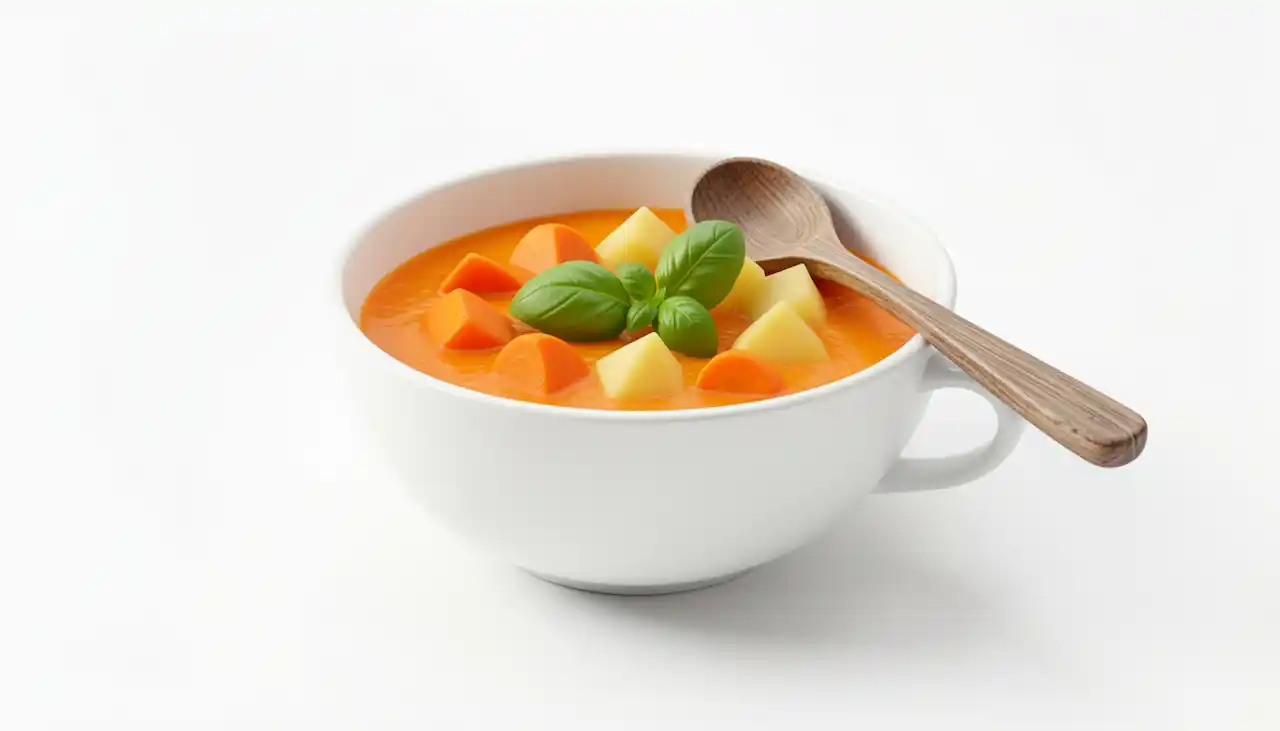
The sixth month represents a revolutionary milestone in a baby's biological development. The digestive system, previously sustained only by breast milk or formula, is now ready to be introduced to the solid foods nature offers. At this stage, soups are recognized as the gentlest and safest bridge for transitioning to solids. From an academic perspective, the first soups prepared for a 6-month-old baby are not just meals; they function as a laboratory where the immune system, oral muscles, and palate are trained. In this process, choosing the right ingredients and cooking techniques forms the most solid foundation for the child's future healthy eating habits.
Easy-to-Digest Vegetables: Gut-Friendly Options
The vegetables chosen for the first tastings must carry a low allergen risk, and their fiber structure should not overwhelm the baby's immature intestinal flora. Carrots, zucchini, and potatoes are the golden trio of this period. Carrots, with their high beta-carotene content, support eye health and the synthesis of immune cells, while zucchini's high water content facilitates digestion. Potatoes provide the complex carbohydrates needed to meet the baby's increasing energy demands. The quality of the water used during preparation and ensuring that vegetables are completely free from pesticide residues are the first requirements for nutritional safety.
Steaming and Vitamin Preservation Techniques
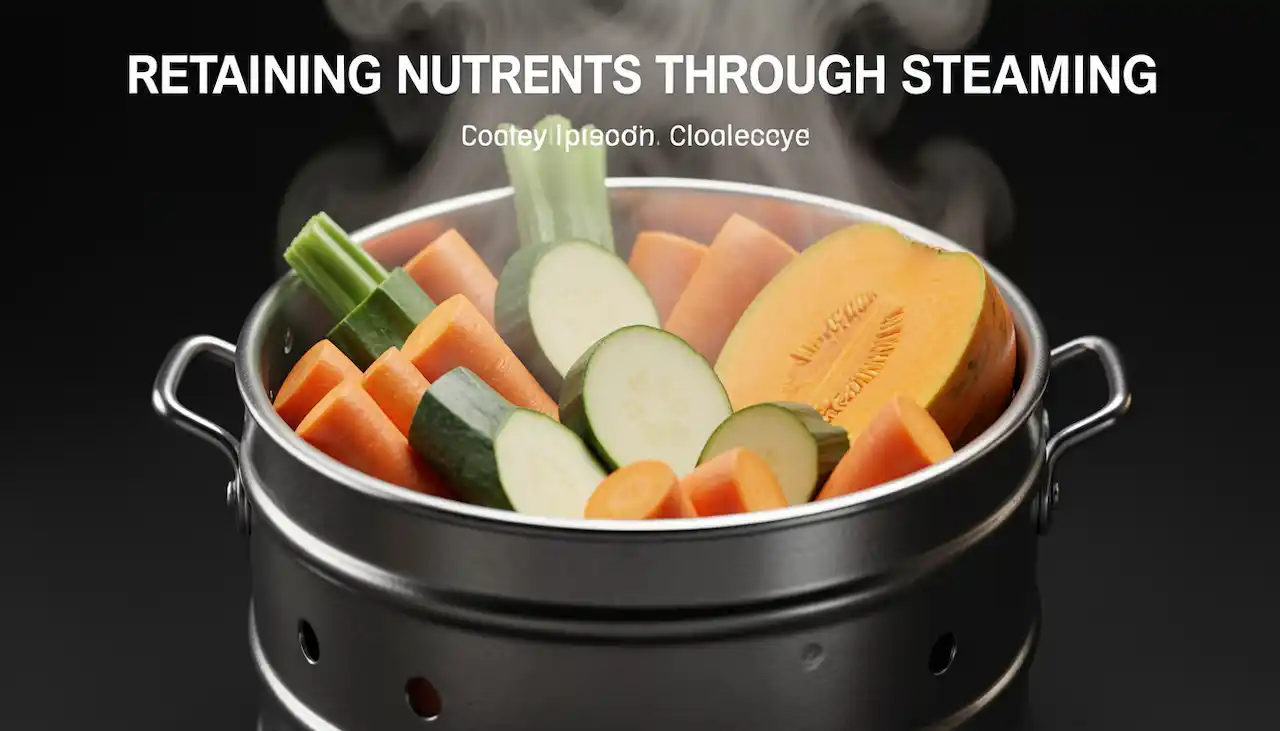
The most scientific way to preserve nutritional value in vegetables is the steaming technique. When vegetables are boiled directly in water, a large portion of water-soluble vitamins (especially C and B group vitamins) leaches into the cooking water. If a steamer is not available, vegetables should be boiled in a very small amount of water, and this water must never be discarded but blended into the puree. Academic research indicates that the enzyme structure of foods is compromised when cooked at high temperatures for long periods. Therefore, vegetables should only be softened until 'fork-tender' and then brought to a smooth consistency that the baby can easily swallow using a glass grater or a suitable blender.
The Role of Olive Oil and Healthy Fats in Absorption
Adding a teaspoon of high-quality extra virgin olive oil to baby soups after cooking enhances not only the flavor but also the bioavailability of the meal. Olive oil is a critical carrier that allows the body to absorb fat-soluble vitamins such as A, D, E, and K. Furthermore, it contains omega-9 fatty acids that support the baby's developing nervous system. The laxative effect of olive oil serves as a natural precaution against constipation, a common issue during the transition to solids. The key point to remember is not to heat the oil during the cooking process, but to add it raw right before serving the soup.
The 3-Day Rule and Allergy Monitoring
The '3-Day Rule' applied to every new food during the complementary feeding process is a vital monitoring method to identify which substance might be causing a potential allergic reaction. For example, a soup made only with carrots is given for three days; if no symptoms like rashes, vomiting, or diarrhea are observed, zucchini can be added on the fourth day. This methodology allows the immune system to introduce itself to new substances while enabling parents to recognize their baby's metabolic responses. Introducing foods one by one and with patience also minimizes potential food rejection (neophobia) problems in the future.
Introducing Protein: The Metaphysical Effect of Bone Marrow Broth
Once vegetable tastings are successfully completed, homemade bone marrow broth should be introduced to take the nutritional value of the soups to the next level. Thanks to the collagen, gelatin, and minerals it contains, bone broth strengthens the baby's intestinal barrier and reduces the risk of 'leaky gut.' Additionally, its calcium and magnesium content directly supports bone development. At an academic level, bone broth should be simmered for at least 12 hours with a splash of apple cider vinegar to maximize mineral transfer. This 'liquid gold' is a tremendous regenerator for the developing tissues of a 6-month-old baby.
Salt and Sugar Ban: Protecting the Taste Threshold
Before the age of one, a baby's kidneys do not have the capacity to filter salt; therefore, salt should strictly never be added to soups. Sugar, on the other hand, is not only a source of empty calories but also blunts the baby's interest in natural flavors. Vegetables with natural sweetness, such as carrots or pumpkins, more than satisfy the baby's need for aroma. While mild spices (like cinnamon or cumin) can be added in a controlled manner for their stomach-soothing properties, bitter and intense aromas should be avoided. Raising a baby with natural flavors is the construction of a lifelong palate culture.
Conclusion: The First Spoonful of a Healthy Future
In conclusion, the nutritional program for a 6-month-old baby requires meticulous planning. Soups are the most effective, vitamin-packed instruments of this program. The key to success is for parents to proceed without rushing, respecting the baby's rhythm, and always using the freshest, most natural ingredients. Every portion prepared with the correct techniques is the most precious investment made in your child's future health capital. Remember that a healthy digestive system is also a prerequisite for healthy mental development. Now is the time to prepare that healing first spoonful with the freshest vegetables of the season.

Baby Soup Recipes: Nutritious & Natural Menus — Experience This Now
Download our app to explore all these features and more.