Main Course and Soup Gastronomy: Thermal Processes and Flavor Architecture
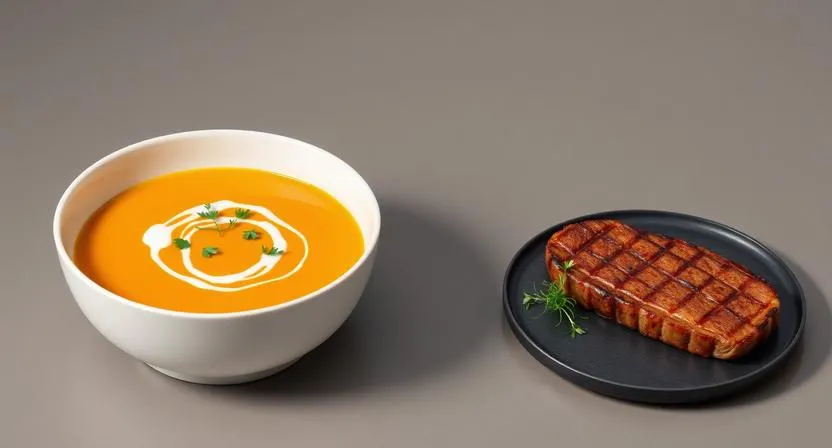
Set Delicious Tables: The Historical and Nutritional Depth of Soup
In the culinary hierarchy, soup is not just a starter, but a 'physiological ambassador' that prepares the stomach for the main course and activates digestive enzymes. Academic culinary history research proves that soup is one of humanity's first cooking techniques and the form that most efficiently preserves nutrients within the water. From clear soups to creamy textures, every variety requires a different thermal technique and an aromatic base (mirepoix such as onions, carrots, and celery). In this guide, we examine this most elegant element of the table and the complex architecture of main courses with academic discipline. Soup is the compassionate entree of culinary art.
Protein Management and Cooking Science in Main courses
The heart of a main course is usually built on protein (meat, fish, chicken) or complex carbohydrates (legumes). In academic gastronomy lessons, protein cooking processes are explained through the concepts of 'denaturation and coagulation.' To preserve the tenderness of meat, cooking it at the right temperature and for the right duration is vital for melting collagen bonds and trapping the juices inside. For delicate proteins like fish, avoiding thermal shock and adhering to cooking times measured in seconds is essential for texture aesthetics. The main course is a gastronomic finale where a chef showcases their technical mastery.
Synthesis of Traditional and Modern Cuisine
Gastronomy is not a static structure but a constantly evolving cultural exchange. Reinterpreting traditional recipes (e.g., pot dishes) with modern techniques (such as vacuum cooking - sous vide) deepens flavor layers. Academic studies emphasize the impact of using local products and flavors from heirloom seeds on collective memory. In modern cuisine, 'fusion' approaches bring techniques from different geographies together on the same plate. This synthesis creates new aesthetic perceptions by pushing the boundaries of the palate. The experience of the past is illuminated by the vision of the future.
The Art of Sauce: Chemical Bridges Uniting Flavor
In gastronomy, sauce is defined as the 'clothing of the dish.' Hundreds of variations derived from the five mother sauces (Espagnole, Veloute, Bechamel, Hollandaise, Tomate) ensure the moisture balance of the food and bind aromas together. Sauce preparation at an academic level requires the flawless application of emulsion and reduction techniques. The element that takes a pasta or a fish from ordinary to gourmet level is the depth of the sauce used. Sauce is the liquid form of mathematical harmony in the kitchen. The balance between tastes is hidden in the elegance of the sauce.

The Gastronomic Honor of Legumes and Vegetables
Beyond meat products, vegetables and legumes are the most strategic and healthy components of the kitchen. Academic nutrition guides state the vital effects of plant proteins and fiber content on metabolic health. Cooking vegetables to an 'al dente' (firm) consistency both prevents vitamin loss and preserves visual vibrancy on the plate. Passing legumes through pre-soaking and correct boiling processes increases digestibility. The value given to vegetables in main courses shows the maturity level of a society's gastronomic culture. Nature is the most generous server of tables.
Presentation Aesthetics and the Psychology of Visual Perception
We eat first with our eyes. Color distribution, use of height and space on the plate are subjects of the academic art of 'plating.' Psychological research proves that an aesthetic presentation increases flavor perception by 40%. The use of contrasting colors and the way sauce is poured onto the plate complete the story of the food. What transforms a main course into a radiant work of art is this final touch and grace shown by the cook. Aesthetics acts as a delicate veil draped over the soul of the dish. Visual order is the first trigger of appetite.
Nutrition Ethics and Food Safety Standards
The fundamental condition of an excellent recipe is the hygiene and ethical standards in the product's journey from farm to plate. Academic HACCP (Hazard Analysis and Critical Control Points) rules mandate the prevention of cross-contamination and correct storage conditions. Food safety is not just a matter of physical health, but also a manifestation of deep respect for the guest. Quality ingredient selection and cleaning discipline determine the character of a kitchen. Trust is the quietest but most important guest at every radiant table. Science is the guardian of health.
Conclusion: Cultural Heritage Meeting at Tables
In conclusion, main course and soup recipes are not just tools for satiation; they are the reflection of thousands of years of civilization, labor, and love on a plate. Every dish that combines correct techniques, quality ingredients, and an aesthetic spirit turns into a sacred bond that brings family and friends together in the same order. Remember that the greatest healing is food cooked with love and knowledge. By applying the principles in this guide to your life, turn your tables into radiant festive grounds. Now, light your stove and begin the journey into the depths of flavor.

Practical Recipes — Experience This Now
Download our app to explore all these features and more.