Anthropological Roots of the Evil Eye and the Evolution of Digital Humor
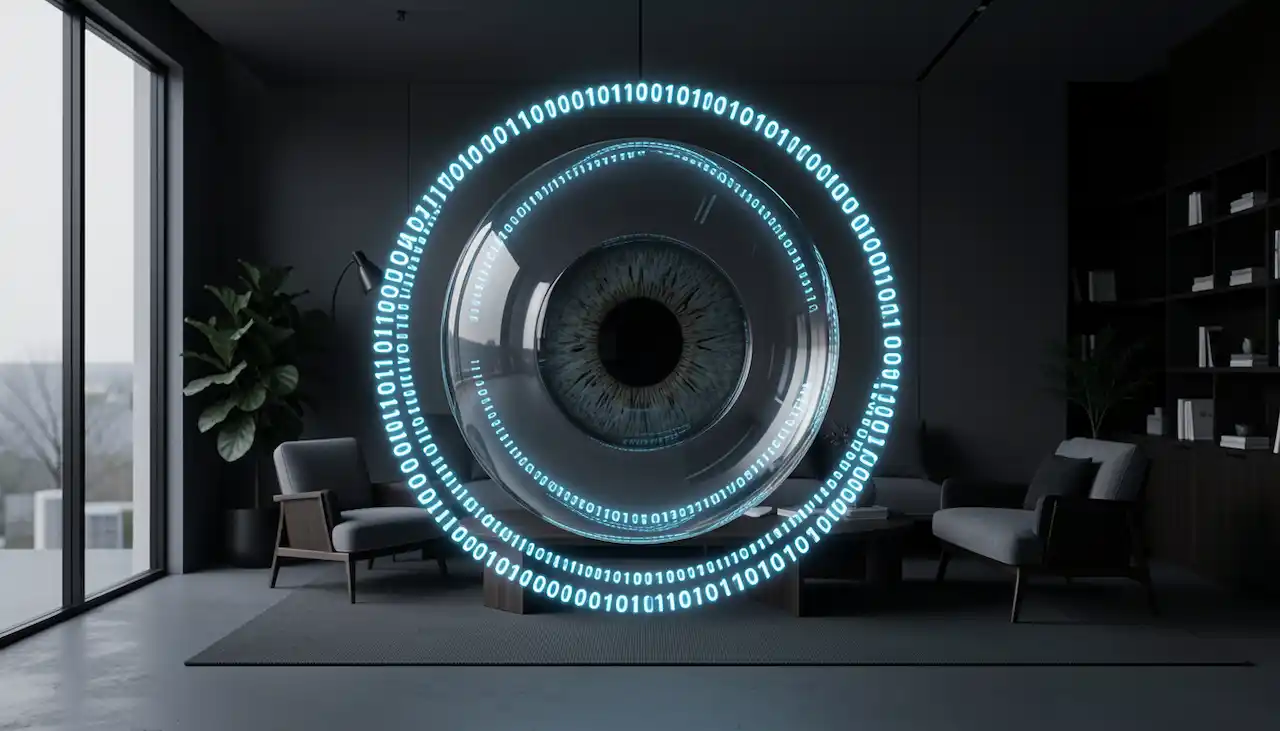
Entertainment and Humor: The Place of Evil Eye Belief in the Collective Subconscious
The 'Evil Eye' (Nazar), one of the oldest and most widespread belief systems in human history, is based on the idea that a 'malevolent gaze' can cast negative effects on living beings or objects. From an academic perspective, the phenomenon of the evil eye is not just a metaphysical fear; it is a balancing mechanism for societies to manage feelings of 'envy' and 'admiration.' Addressing this ancient belief through humor in the digital age allows individuals to confront these archetypal fears in their subconscious and rationalize them. Digital pranks themed around 'evil eye detection' are essentially attempts by society to lighten this gravity-laden tradition and transform it into a 'social game.' In this guide, we examine the anthropological foundations of the evil eye belief and its ironic transformation in the digital world with academic discipline.
The Semiotics of the Gaze: Eye Symbolism and the Will to Power
In many civilizations, the eye is considered not just a visual organ, but a gateway to the soul and an exit point for energy. From the Sumerians to Ancient Egypt, and from the Mediterranean basin to Central Asia, the eye symbol has been characterized as both a protective and a destructive force. In academic semiotic studies, the use of blue objects like the evil eye bead (Nazar Boncuğu) is explained by the function of 'absorbing' or 'reflecting' the energy of the gaze. Today, humorous simulations performed through face-scanning technologies transform this ancient idea of 'visual captivity' into modern entertainment instruments. The protection rituals of the old world have now gained the character of a digital performance art through the pixels on our screens.
Sociological Perspective: Social Bonds and Envy Management
Sociologically, the belief in the evil eye serves to manage the social tension created by 'success' and 'prominence.' A successful individual's fear of 'attracting the evil eye' is actually an indirect courtesy toward not triggering the envy of others in society. In academic sociology literature, this is defined as a form of 'spiritual insurance' developed to maintain social balance. Humorous digital tools convert this tension into laughter, providing a collective catharsis. An evil eye prank played within a friend group acts as a social glue that reinforces intimacy and absorbs competitive feelings through wit.
Cyber-Psychology: Rationalizing the Superstitious on Digital Screens
The human mind needs symbols and stories to eliminate uncertainty. The conflict between modern man's unshakeable trust in technology and his traditional beliefs has given birth to a new field called 'cyber-folklore.' Evil eye detection pranks on digital platforms utilize the brain's tendency for 'pattern recognition,' presenting the person with random yet familiar comments. Known in academic psychology as the 'Barnum Effect,' this phenomenon leads individuals to perceive generic statements as if they were tailored specifically for them. Humor builds the bridge here between logic and emotion, allowing the individual to poke fun at their own cultural heritage through technological tools.

Regional Humor and the Aesthetic Power of Language
The strongest aspect of humorous content produced about the evil eye is the richness of the language used and the warmth of regional expressions. Idioms like 'kem gözlü' (malicious eye) or rituals like 'pouring lead' are spiritual codes etched into the memory of the language. Presenting these codes as digital data outputs provides the user with a sense of cultural familiarity. Academic linguistic studies confirm that such humorous jargon strengthens social belonging. Feeding humor with local motifs breaks the cold, universal structure of technology, molding it into a 'human' and 'relatable' form. Words add soul to the algorithms behind the screen.
Digital Performance and Social Media Sharing Culture
Today, the value of a prank is measured by how 'shareable' it is. Content that offers interactive and visual results, like evil eye detection, serves the need for 'self-presentation' in social media. Academic media studies emphasize that people use humor as 'social capital' while constructing their identities. An individual sharing an evil eye scan result is essentially sending the message: 'I am well-versed in tradition, but I also love technology and humor.' This is the positioning of the individual on an ironic plane within the digital world. Sharing transforms entertainment into a collective ritual.
Technological Ethics and the Boundaries of Entertainment
The most important ethical boundary for digital content prepared for humorous purposes is that the user knows it is a 'prank.' Academic technology ethics argues that the line between reality and simulation must be transparent. Evil eye pranks should not be designed to scare individuals or lead them toward false beliefs, but rather to show a joyful projection of tradition. By 2026 standards, it is a professional necessity for content to remain non-manipulative, transparent, and purely mood-boosting. Ethical humor is an intellectual skill that can make one laugh while maintaining respect for the subject.
Conclusion: A Bridge of Laughter Between Tradition and the Future
In conclusion, evil eye detection pranks and humorous digital assistants are the most entertaining link that a thousand-year-old tradition has established with modern technology. Thanks to this content, the phenomenon of the evil eye ceases to be a dark fear and turns into a bright screen prank. Every humor product constructed on a correct sociological ground meets the ancient human need for 'recognition' and 'protection' with a radiant laugh. Remember that humor is the thinnest and wittiest veil drawn over reality. Now, look into this digital mirror, give a wink to your cultural roots, and lighten the gravity of life with a spiritual smile.
Nazar Savar: Face Scan Prank — Experience This Now
Download our app to explore all these features and more.