AYT Literature: Techniques for Memorizing Works, Authors, and Characters

The Secret to Perfect Scores in Literature: Cognitive Association
In the AYT stage of university entrance exams, the literature test is the section where candidates feel most crushed under the 'memorization burden.' To avoid getting lost among thousands of works, hundreds of authors, and just as many character names, it is essential to abandon classic rote learning and switch to an academic model of cognitive association. The human brain codes interconnected stories and visual images much faster than isolated scraps of data. Therefore, rather than just knowing a work by its name, grasping why it was written and how it reflects the mindset of its era is the first step in transferring knowledge to long-term memory.
Novel Summaries: Placing Characters on a Mental Map
The most reliable way to avoid mistakes in work-author questions is to filter novel summaries through an analytical lens. Learning not just the plot of a novel, but the psychological depths and social roles of the characters, is the key to 'Who is the hero introduced in this passage?' questions. You should code heroes in your mind as if they were real people. For example, pairing Bihruz Bey not just as a name, but as a caricatured symbol of the Tanzimat era's mistaken Westernization with 'Araba Sevdası' reduces the retrieval speed to milliseconds. Conflicts between characters are the skeleton of the work.
The Art of Mnemonic Ciphers and Storytelling
For authors with a vast number of works, mnemonic ciphering (acronyms and narrativization) is an invaluable tool. Constructing a short, absurd, and funny story that includes the 5-6 most important works of an author plays a life-saving role during moments of 'information blockage' caused by exam stress. The mind remembers high-imagery constructs far better than logical prose. For instance, working on Yakup Kadri’s works by transforming them into a chronological story of Turkish history allows you to seal both the title and the theme (like the generational conflict in 'Kiralık Konak' or the peasant-intellectual divide in 'Yaban') simultaneously.
Visual Anchors: The Author's Identity and the Soul of the Work
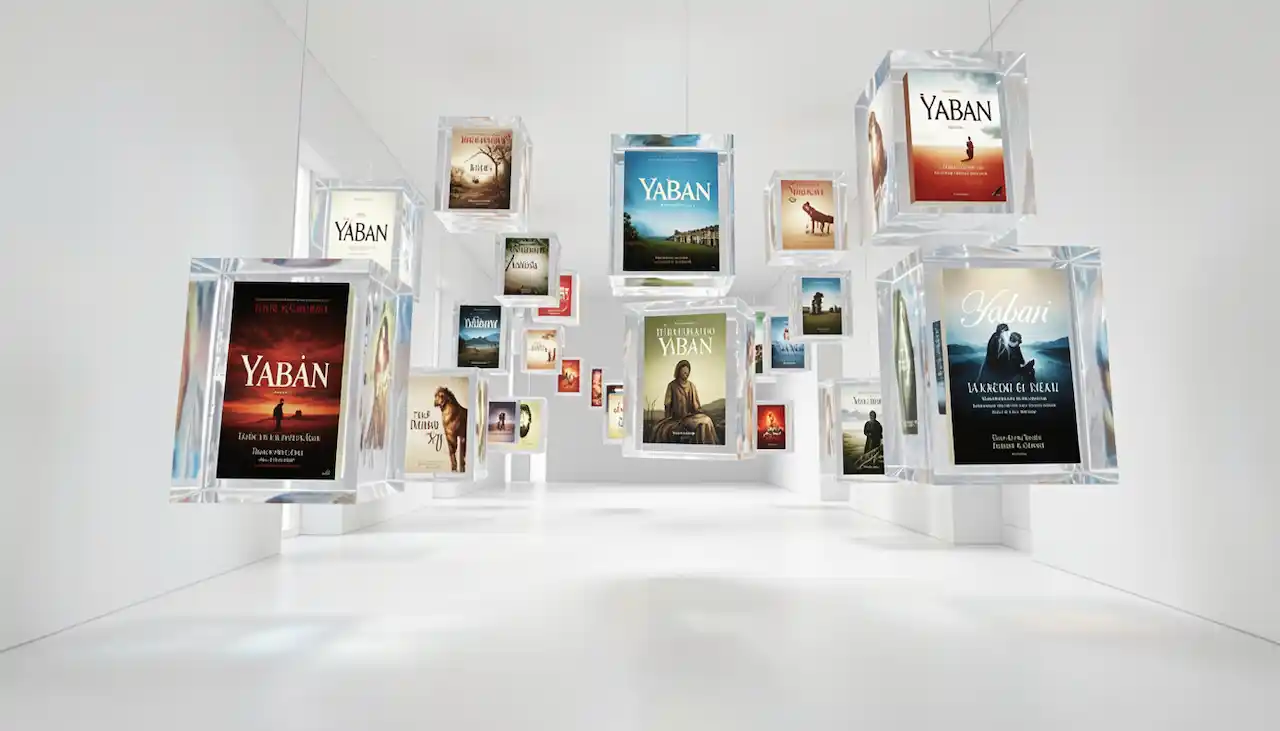
Every writer has a unique literary personality (poetics). It is necessary to turn this personality into a visual anchor. When you match the pen of a social realist writer with a factory chimney and the pen of a mystical poet with a night lamp in your mind, the classification of works becomes automated. Academically, using iconic memory allows you to flawlessly distinguish which work belongs to which movement (Garip, İkinci Yeni, Mavi, etc.), especially in a polyphonic process like the Republican era. Visualized information shines through the black and white texts on the exam paper, making itself known.
Spaced Repetition and Mock Exam Analysis
To prevent learned work-author information from flying away, one must fight the forgetting curve. If you learned an author's works today, short reminders at intervals of 24 hours, 3 days, and 1 week ensure the knowledge becomes solidified. During this process, rather than just looking at lists, the brain must be challenged with the active recall technique (closing the book and trying to count the author's works). Every mistake in mock exams solved during the exam marathon is actually a signal of a weak synaptic bond. Re-examining the summary of a novel after every incorrectly answered character question is the most effective form of learning.
Genre-Oriented Classification and Comparative Study
Grouping literature not just by author, but by genre (novel, story, theater, memoir) is vital for solving the 'Which of the following is different from the others in terms of genre?' questions common in recent years. Especially works with the same name in different genres (for example, the distinction between Peyami Safa's 'Dokuzuncu Hariciye Koğuşu' novel and works in the memoir genre) should be examined carefully. Comparative table studies improve the mind's ability to categorize data. Knowing which work is the 'first' in the modern sense (first realist novel, first village novel, etc.) is to place the cornerstones of literary history in the mind.
Symbols and Thematic Codes in Works
Recognizing a work by its dominant symbols, independent of its name and author, makes a difference in 'content analysis' questions. The music and Istanbul aesthetics that come to mind when 'Huzur' is mentioned, or the disease and depth of psychological analysis felt when 'Dokuzuncu Hariciye Koğuşu' is mentioned, lead you directly to the correct answer. A student who gains semantic depth doesn't just eliminate options; they grasp the logic behind the question. Creating groups of works based on themes (loneliness, freedom, war, rural life) allows you to complete your literary atlas.
Conclusion: Intellectual Mastery and the Vision of Success
In conclusion, achieving success in the AYT Literature exam is not about pouring thousands of pages of data onto a piece of paper; it is about organizing that data in the mind with the precision of an architect. Every candidate who reads novel summaries and internalizes characters, connecting authors and works with cognitive hooks, feels an unshakable self-confidence during the exam. Seeing literature not just as a 'memorization subject' but as a mirror of a nation's soul will radically change your study motivation. With the right methodology, regular repetition, and an analytical perspective, the literature test will no longer be a feared area, but a powerhouse where your scores reach their peak.
Novel Summaries: 100 Core Works & Classics — Experience This Now
Download our app to explore all these features and more.