Novel Summaries Likely to Appear in AYT Literature and Exam Strategy
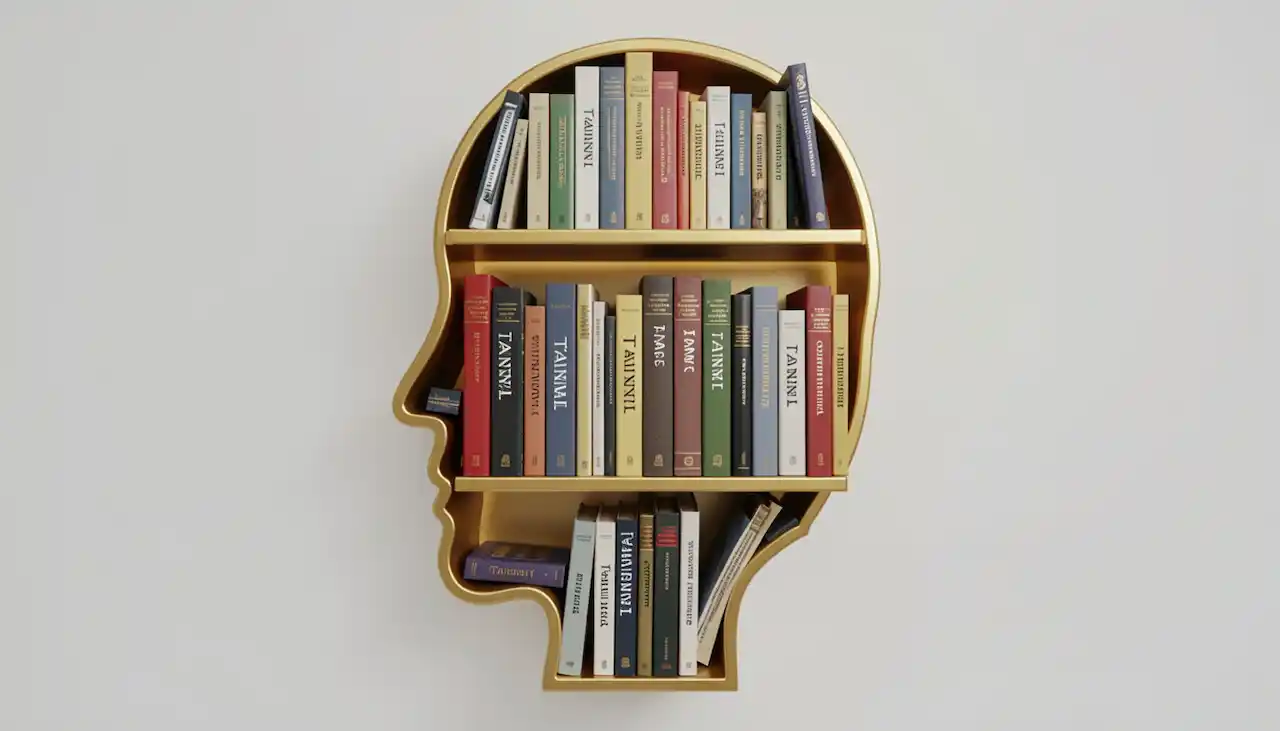
Exam Success Strategy: Key Pillars of AYT Literature
The AYT Literature test, one of the most decisive sections of the Higher Education Institutions Exam (YKS), measures not only the candidates' knowledge levels but also their ability to reason through literary periods and work-author relationships. In this 24-question section, 'Work Summary' and 'Character Analysis' questions constitute the eliminatory part of the exam. Success does not come from randomly memorizing thousands of works, but from grasping the question-asking logic of OSYM and focusing on 'milestone' works that left a mark on their era. In this guide, we handle the works most likely to appear in the exam with academic discipline.
The Tanzimat Period: The Novel of Firsts and Conflicts
The Tanzimat period, where the first examples of the novel genre were produced in Turkish literature, is indispensable for exams. Especially works dealing with the theme of 'Westernization' are of critical importance. Ahmet Mithat Efendi’s 'Felatun Bey and Rakım Efendi,' Namık Kemal’s 'Intibah,' and Şemsettin Sami’s 'Taaşşuk-ı Talat ve Fitnat' must be known in terms of plot and the mindset they represent. Grasping why the characters in these works (Bihruz Bey, Ali Bey, etc.) were constructed as 'types' allows you to identify the work introduced in the passage within seconds. Tanzimat is the literary equivalent of the painful birth of the new from the old.
Servet-i Fünun: Aesthetic Zenith and Individual Crises
The Servet-i Fünun period, where the foundations of the modern novel in the Western sense were laid, contains heavier language and in-depth psychological analyses. Halit Ziya Uşaklıgil’s 'Aşk-ı Memnu' and 'Mai ve Siyah' are the works most frequently questioned as 'character analyses' in the exam. The conflict between the dreams and realities (blue and black) of the character Ahmet Cemil reflects the intellectual profile of the period. Mehmet Rauf’s novel 'Eylül,' being the first psychological novel, is a potential question every year. When studying the works of this period, it is an academic necessity to focus on internal processes rather than just the events.
National Literature: Social Awakening and Homeland Realities
The National Literature period is the process where literature turned its face to Anatolia and simplification in language reached its peak. Works by Yakup Kadri Karaosmanoğlu such as 'Yaban,' 'Kiralık Konak,' and 'Sodom and Gomorrah' form the backbone of the exam as they reflect Turkey’s historical transformation (generational conflicts, peasant-intellectual divide). Reşat Nuri Güntekin’s 'Çalıkuşu' and Halide Edip Adıvar’s 'Sinekli Bakkal' or 'Ateşten Gömlek' are masterpieces that must be mastered through their character names and themes (idealist teacher, war of independence).

The Republican Era: Polyphony and Modern Movements
Republican era Turkish literature is the broadest and most complex part of the curriculum. Classifying works here as 'Social Realists' (Yaşar Kemal, Orhan Kemal), 'Those Based on the Individual’s Inner World' (Peyami Safa, Ahmet Hamdi Tanpınar), and 'Modernists' (Oğuz Atay, Yusuf Atılgan) prevents mental confusion. Particularly Tanpınar’s 'Huzur' and Oğuz Atay’s 'Tutunamayanlar' appear in the modern exam system as 'work interpretation within a paragraph.' Knowing the worldviews of characters (Selim Işık, Mümtaz, etc.) is the key to solving the eliminatory questions.
Cognitive Encoding: Memorizing Works Through Characters
Using the 'Character-Setting-Event' triad is the most effective memory technique for keeping hundreds of work names in mind. For example, when Zehra is mentioned, not just a name but 'the first psychological novel attempt' and 'Nabizade Nazım' should come to mind. Combining the nameless sick child in Peyami Safa’s 'Dokuzuncu Hariciye Koğuşu' with the theme of 'sickness and loneliness' creates a visual memory anchor. In academic studies, this method is called 'semantic linking.' When you encode characters in your mind like real living people, the soul of the work appears before your eyes the moment you see the names in the exam.
Mock Analysis and the 'Point-Blank' Study Method
The secret to success in the literature exam is solving plenty of 'new generation' questions and going to the root of mistakes. In every solved mock, it should be determined in which period's works errors were made, and the 'key concepts' of that period should be reviewed. For instance, if errors are constantly made in the 'Movement-Author-Work' trio, the characteristic features of movements from classicism to postmodernism should be studied in a table format. To use time efficiently in the exam marathon, instead of reading long summaries, choosing refined analyses that provide the plot and conflict puts you one step ahead.
Conclusion: Exam Victory Through Intellectual Accumulation
In conclusion, AYT Literature is a field that can be conquered with patience and a system. When you see works not just as question objects but as parts of Turkish cultural history, the learning process turns into a pleasant discovery. With the right methodology, regular repetition, and character-oriented analyses, getting a full score on the literature test is not a dream. Remember that knowledge is the greatest source of self-confidence. Trust yourself, dive into the magical world of novels, and show the power of your pen in the exam. Success is a natural result of minds that read and understand.
Novel Summaries: World Classics & Local Works — Experience This Now
Download our app to explore all these features and more.