Critical Topics List and Strategy to Increase Scores in AYT Biology
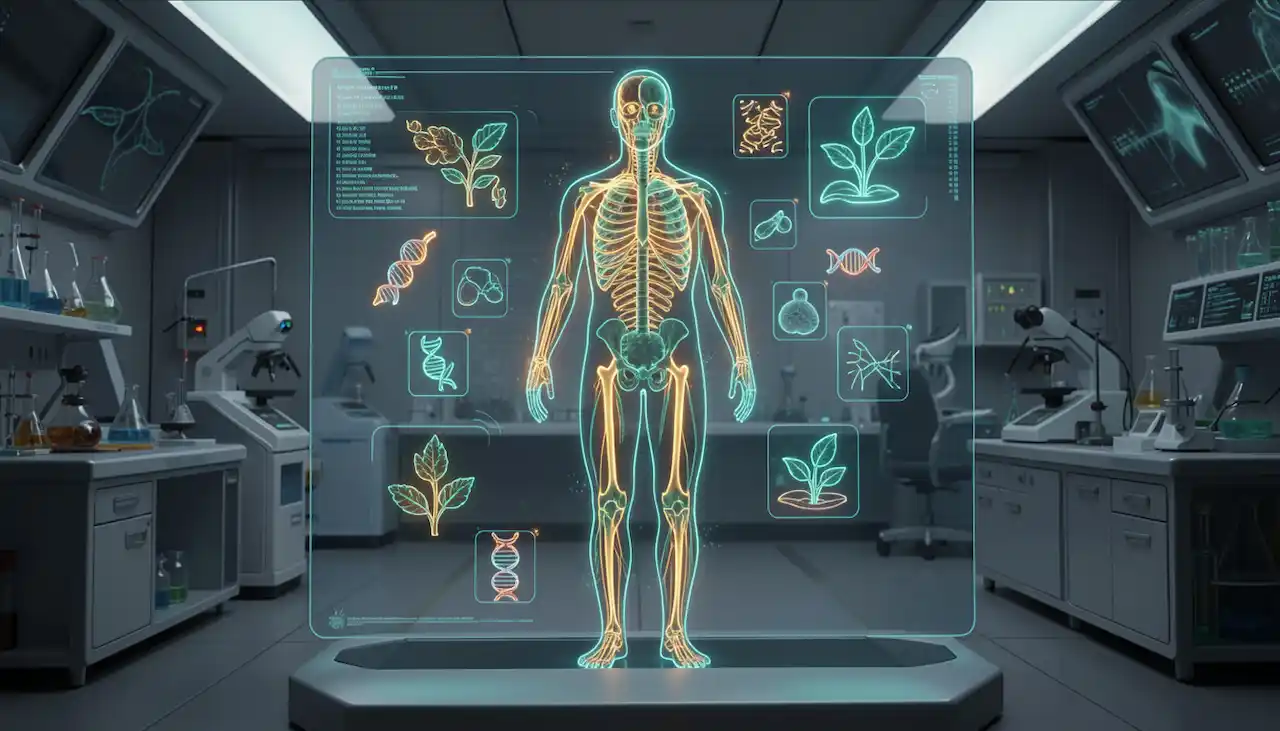
Strategic Preparation: The Question Distribution Map of AYT Biology
In the AYT, which is the second stage of the Higher Education Institutions Exam, the biology test measures not only candidates' basic knowledge but also their high-level analysis and synthesis skills. Success in this 13-question section comes from focusing on the critical topic focal points that the OSYM makes indispensable classics every year, rather than trying to master the entire curriculum. An academic strategy aims to maximize the number of correct answers by using limited time in the most efficient way. In this guide, we examine the units that form the backbone of the exam and the selective details within these units.
Systems: The Most Voluminous and Decisive Part of Biology
When AYT Biology is mentioned, the first and most important heading that comes to mind is 'Human Physiology and Systems.' Usually, 4 or 5 of the 13 questions come directly from this unit. In particular, the Nervous System, Endocrine System, and Circulatory System are the areas where OSYM loves to build scenarios the most. Knowing the metabolic problems that will arise in the deficiency of a hormone or the factors affecting the impulse transmission speed of a neuron puts you ahead of thousands of candidates. Systems biology is not just about knowing the names of organs, but being able to solve the complex and perfect feedback mechanisms between these organs.
From Gene to Protein: The Ciphers of Molecular Biology
The 'From Gene to Protein' unit, which covers the structure of DNA, replication, transcription, and translation processes, is the most technically intensive part of the exam. The functioning of the genetic code and the stages of protein synthesis are represented by at least one question every year. Here, emphasis should be placed especially on the roles of enzymes, nucleotide sequences, and genetic engineering applications (biotechnology). Studying molecular genetics processes as a flow diagram via academic notes will ensure you solve the structural questions you encounter in the exam without error.
Plant Biology: Selective and Detail-Oriented Questions
Plant Biology, which many students leave for the end because they find it 'complex,' is actually the 'selective' part of the exam. Topics such as plant tissues, transport systems (xylem-phloem), growth hormones, and reproduction in plants contain technical details that require attention. In recent years, OSYM has focused on questions questioning movement mechanisms in plants (tropism and nastic) and the photosynthesis-respiration balance. To be successful in plant physiology questions, the healthiest way is to grasp the plant's responses to environmental stimuli with the logic of adaptation.
Energy Transformations: Dynamics of Photosynthesis and Chemosynthesis
The Energy Transformations in Living Things unit requires both a chemical and biological foundation. The differences between the light-dependent and light-independent reactions of photosynthesis and the stages of aerobic/anaerobic respiration are indispensable for the exam. Here, questions built especially on ATP production (phosphorylation types) and the sequence of electron transport system (ETS) elements measure whether you have fully digested the information. When studying bioenergetics topics, creating a table by comparing the processes with each other is the most effective method for removing complexity.
Community and Population Ecology: The Power of Graph Interpretation
Although ecology topics seem easy at first glance, graph questions regarding population dynamics and community interactions can challenge candidates. Concepts such as J and S-type growth curves, age pyramids, symbiotic relationships (mutualism, parasitism, etc.), and succession should be seen as a 'point bank' for the exam. The key to success in ecology questions is to develop graphic literacy. A student who can reason the ecological causes of a decrease or increase in a graph will not miss questions from this section.
Cellular Divisions and Principles of Inheritance
Mitosis-meiosis division and inheritance (Mendelian genetics, sex-linked inheritance), which are common with the TYT curriculum but questioned in more detail in AYT, are topics that must have a solid foundation. Genetic crosses and pedigree analysis questions require careful mathematical logic. Inheritance biology is not just about calculating probabilities, but being able to foresee the consequences of anomalies such as chromosomal non-disjunction or mutation. These topics are the most concrete and problem-solving oriented parts of biology.
Conclusion: Holistic Analysis and Regular Subject-Specific Mock Exams
In conclusion, success in the AYT Biology exam is not a coincidence but the result of strategic effort. Students who focus on these critical topics we have identified, who do not just read the information but schematize it, and who solve plenty of 'new generation' questions will reach their goals. Regular subject-specific mock exams are the most honest mirror that will show you in which subject you are losing time or in which technical term you are making a mistake. The AYT process is a marathon; every piece of correct information will carry you more strongly to the finish line. Trust yourself and continue to explore that fascinating world of biology with the air of an explorer.
TYT AYT Biology Lectures & Summaries — Experience This Now
Download our app to explore all these features and more.