Literature Author-Work Memorization Techniques: Cognitive Coding
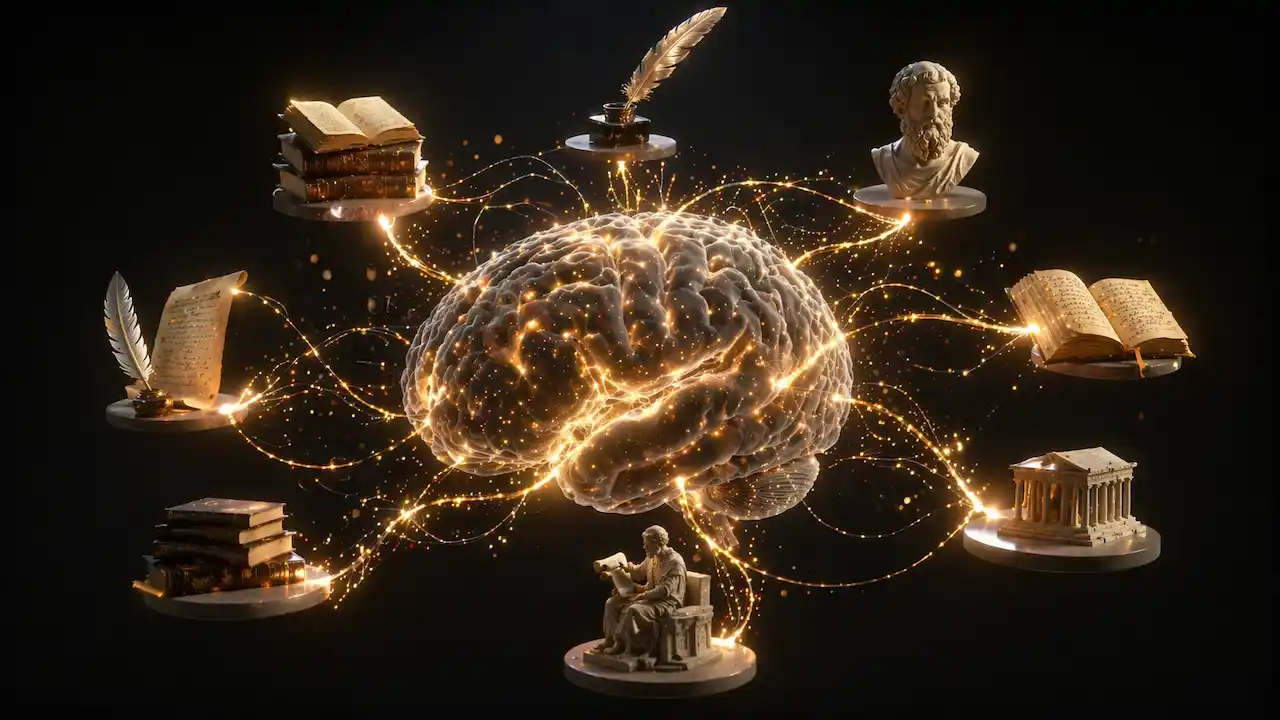
Memory Techniques and Literary Coding Strategies
The biggest hesitation for many candidates preparing for literature exams is being able to keep hundreds of author names and thousands of work titles in their minds without confusing them. However, this process is not merely mechanical memorization; it is an art of cognitive association. Academic research proves that information is transferred to long-term memory much faster when combined with a story or a visual image. The first step to lightening the burden of memorization is to hang information on a mental hook rather than reading it passively.
Mnemonic Coding: Transforming Names into Stories
Mnemonic coding, one of the most popular methods used in grouping authors and works, transforms complex lists of names into simple and memorable stories. For example, creating a short fictional text covering all the works of an author ensures that when you see a question about that author in the exam, all their works pass before your eyes like a film strip. This method increases the speed of recall by strengthening the bonds between neurons. The more absurd or funny the story is, the more easily the brain remembers it.
Visualization and the Use of Iconic Memory
The visualization technique is ideal for establishing a bond between the characteristic features of artists and their works, in particular. Imagining a poet's physical trait, their pseudonym, or a tragic event in their life alongside the name of their most famous work in the same frame triggers iconic memory. The fact that the image formed in the mind when the 'Poet of the Pavements' is mentioned quickly connects to Necip Fazıl Kısakürek and his loneliness-themed poetics is a result of this technique's success. Creating an 'icon' in your mind for each author prevents complexity.
Loci Method: Constructing a Mental Library
The Loci method is based on the principle of matching information with objects in a known place. Imagining the rooms of your own home as literary periods and placing that period's artists and books in each room is like building a mental library. When you encounter a question in the exam, entering that room in your mind and taking the relevant information from the shelf maximizes your spatial learning ability. If the kitchen is Divan literature and the living room is Tanzimat, the 'object' in every corner will whisper an author to you.

Spaced Repetition and Fighting the Forgetting Curve
The spaced repetition system is the strongest weapon against the forgetting curve. Repeating a newly learned author-work list at intervals of 24 hours, 1 week, and 1 month ensures the information is solidified in the mind. In this process, interactive tests offered by digital tools provide cognitive reinforcement by increasing the frequency of exposure to the information. Information strengthens as it is recalled. No list can be fully learned by reading it only once; a systematic repetition discipline is a must.
Association through Hero and Plot
Including not just the names of the works but also their brief content or the names of the heroes in the process increases the depth of information. A small logical link established between the main character of a novel and its author (for example, the 'writing machine' link between Felatun Bey and Rakım Efendi and Ahmet Mithat Efendi) eliminates the possibility of error in author-work matching. Characters are living evidence that carries the soul of the work. Knowing them makes it impossible to forget the title of the work.
Emotional Connection and Interest-Oriented Learning
The human brain stores data it is interested in and to which it reacts emotionally more easily. You never forget the poet of a poem you love or the author of a novel that affected you. Therefore, reading at least a few pages of the works or taking a look at the interesting life stories (biographies) of the authors during the memorization process transforms passive information into active interest. Seeing authors not as exam topics but as historical figures you want to meet will radically change your motivation.
Conclusion: Intellectual Self-Confidence and Exam Success
In conclusion, seeing literature not as a burden but as a map waiting to be discovered will gain you not only points in the exam marathon but also a high level of intellectual self-confidence. Memory techniques should be 'tools,' and your curiosity for literature should be the actual 'goal.' When you apply these methods in a disciplined way, you will realize that every name has a story instead of getting lost among thousands of names. Now is the time to cast those mental hooks and seal the immense treasure of the literary world into your mind.
AYT Literature Topics & Work Summaries — Experience This Now
Download our app to explore all these features and more.