Appetizing and Weight-Gaining Nutritious Baby Foods: An Academic Guide
Healthy Development: Balancing Quality and Calories in Weight Gain
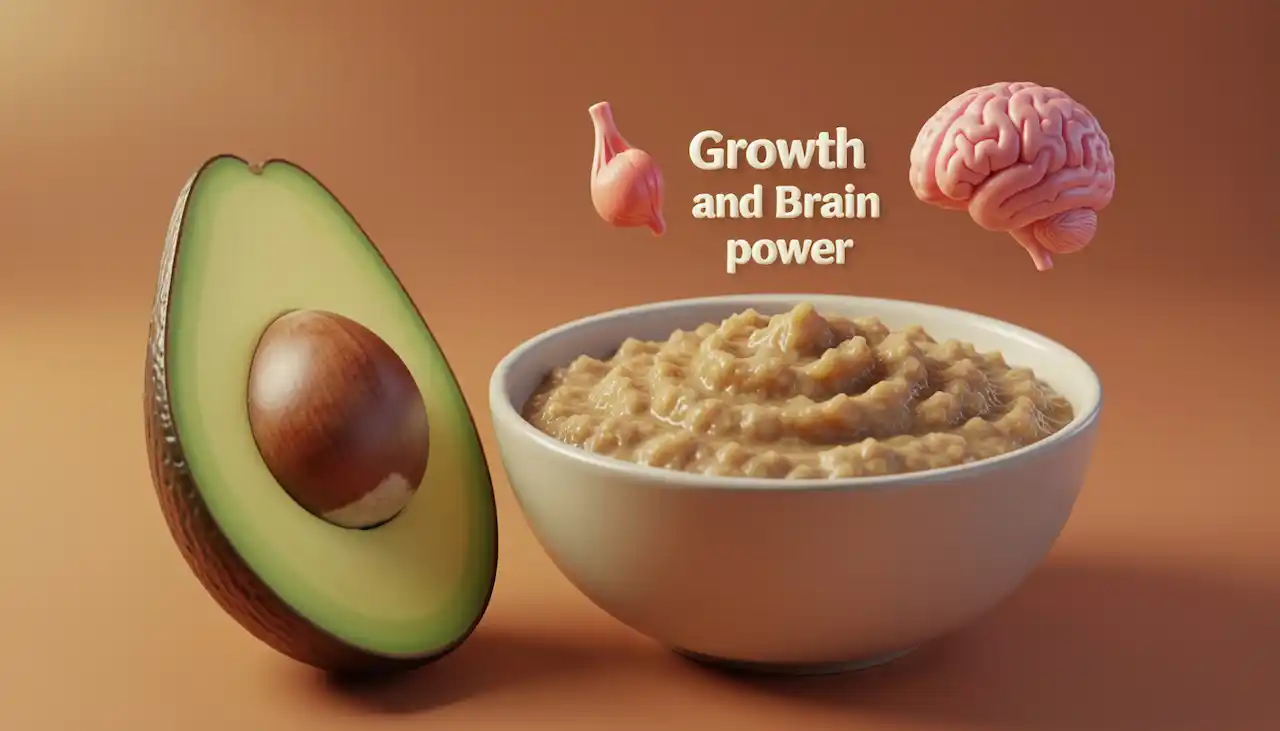
While weight gain in infants is the most tangible indicator of physical growth, what truly matters is that this weight comes from 'healthy' sources. When 'weight-gaining baby food' is mentioned, the first thing that should come to mind isn't empty calories (starches, sugars), but nutrient-dense foods. Especially for babies experiencing a loss of appetite or slow weight gain, recipes with small volume but high nutritional value should be preferred. Academic nutritional data emphasizes that a baby's stomach is very small, and this limited capacity must be filled with maximum levels of protein, healthy fats, and vitamins. Healthy development is a matter of body composition that goes beyond mere numbers.
Causes of Poor Appetite and Cognitive Solutions
A lack of appetite in babies is usually temporary and can stem from teething, growth spurts, or an overload of environmental stimuli. however, if there is a persistent state of refusal, feeding must be moved from being a 'pressure' zone to a process of 'play and discovery.' Using colorful vegetables, offering different textures (lumpy vs. smooth), and the parents modeling eating behavior at the table trigger the baby's curiosity toward food. Visual presentation activates the appetite mechanism in babies just as it does in adults. Allowing the baby to explore the food with their own hands (the BLW effect) boosts self-confidence and fuels the desire to eat.
Atlas of Healthy Weight-Gaining Ingredients
Certain specific foods included in the nutrition plan ensure that the baby builds tissue healthily without becoming unnecessarily bloated. Avocado sits at the top of this category with its high oleic acid (healthy fat) and potassium content. Walnuts and almonds (ground into a very fine flour before age 1) provide protein and omega-3 support. Semolina and whole rice flour, as complex carbohydrate sources, extend satiety and provide energy. Additionally, lamb mince and egg yolks, with their iron and choline content, both support brain development and assist in increasing muscle mass. The right ingredients bring the right kind of growth.
Energy-Packed Fruit and Cereal Combinations
Snacks prepared for babies should be light enough not to spoil the appetite but nutritious enough to support weight gain. For example, a mixture of banana and homemade yogurt provides a balance of potassium and probiotics. Adding a small amount of crushed sun-dried apricots adds natural sweetness and increases iron absorption. Using oatmeal as a cereal keeps the baby's blood sugar balanced and provides long-lasting energy. These combinations are the healthiest and academically approved alternative energy sources that can replace packaged biscuits or sugary puddings.
The Impact of Probiotics on Appetite and Absorption
A lack of appetite can sometimes stem from absorption problems in the digestive system. A baby with weak gut flora may not be able to fully utilize the vitamins even in the most nutritious food. Natural probiotics like homemade yogurt and kefir optimize digestion by increasing 'friendly' bacteria in the gut, naturally opening up the appetite. Academic studies show that babies with a healthy microbiota are more eager toward food and more resilient against infections. A healing gut is the biggest secret to an appetizing baby.
Natural Appetizers: The Power of Spices and Herbs
Adding certain mild aromas to baby meals breaks the monotony and stimulates the baby's olfactory memory and appetite. Dill and parsley (very finely chopped) regulate stomach acid, creating an appetizing effect. Cumin prevents gas pains, relieving the discomfort the baby might feel while eating. Mint, with its refreshing effect, supports the appetite especially during hot summer months. These natural aromas protect the baby from the artificiality of salt and sugar while elevating their taste experience to a gourmet level. The use of spices is the scientific dimension of the kitchen.
Liquid Calories: Strategy for Soups and Smoothies
If a baby is refusing solid food, offering nutrients in a drinkable form is a strategic move. Vegetable purees can be diluted with bone marrow broth to create nutrient-dense soups. Fruit purees can be mixed with breast milk or formula to turn them into nutritious beverages. With this method, the baby can intake a high amount of calories without expending much effort on chewing. However, care should be taken not to create a bottle dependency during this process, and foods should still be offered with a spoon or an open cup. Liquid calories serve as a 'life-saving' bridge during transition periods.
Conclusion: Health Growing with Patience and Love
In conclusion, appetizing and weight-gaining recipes are not just formulas; they are an effort to understand your baby's needs and offer them the best. Every baby's metabolic rate and genetic potential are different; therefore, the only criteria should not be the numbers on the scale. A baby who is active, happy, and completing developmental milestones on time is a healthy baby. Recipes enriched with natural ingredients and blended with expert advice are your biggest support in this process. Remember that the best spice is love; every morsel fed with love at a peaceful table will return to your baby as health and strength. Now is the time to prepare those healing foods and witness the miracle of your baby's growth.

Baby Soup Recipes: Nutritious & Natural Menus — Experience This Now
Download our app to explore all these features and more.