Speed Reading in 21 Days: Neural Plasticity and Weekly Transformation Plan

Training Schedule: Why 21 Days?
In psychology and neuroscience literature, the minimum time required for a behavior to turn into a habit is generally accepted as 21 days. During this process, the brain builds the neural pathways required for a new action and passivates old, inefficient habits (word-by-word reading, subvocalization). Speed reading skill is not a miracle acquired overnight; it is the reprogramming of muscle and brain coordination through regular repetition. This program aims to transform the individual from a passive reader into a strategic mind that analyzes text in seconds. Change begins with a determined step taken on the first day.
Week 1: Physical Preparation and Breaking Foundations
The first week of the program focuses entirely on increasing physical capacity and removing 'mechanical' obstacles. Exercises that stretch the eye muscles and studies aimed at moving the perspective from a narrow area to a wide field are the backbone of this phase. At this stage, the participant determines their starting level by measuring their reading speed. The primary goal of the first week is to learn to flow forward through the text 'without touching' (without regressions). When unnecessary leaps made by the eye on the page are reduced, energy is saved and focus time is extended. The first week is the preparatory stage where the mental foundation is laid.
Week 2: Cognitive Acceleration and Comprehension Integration
In the second week, layers of 'comprehension' are added to the physical exercises. Reading practices in word groups (chunking) now begin. Teaching the brain to capture the subject and predicate of a sentence simultaneously in a single glance is a critical gain of this phase. Academic studies show that reading speed can double during this period, though the comprehension coefficient may fluctuate temporarily. This is the brain's adaptation process to a new data processing speed. 'Eye scanning' exercises performed without giving up elevate the mind from word hunting to concept hunting.
Week 3: Perfection and Strategic Reading
In the final week, speed and comprehension finally become synchronized. The participant learns how to optimize their speed based on different types of text (newspaper news, academic articles, literary novels). 'Skimming' and 'Scanning' techniques are utilized as professional instruments. By the 21st day, the goal is to reach at least 3-4 times the initial speed. At this stage, speed reading ceases to be a conscious effort and gains the quality of an 'automatic reflex.' The individual has reached a cognitive agility capable of analyzing not just the surface but the deep structure of a text at the speed of light.
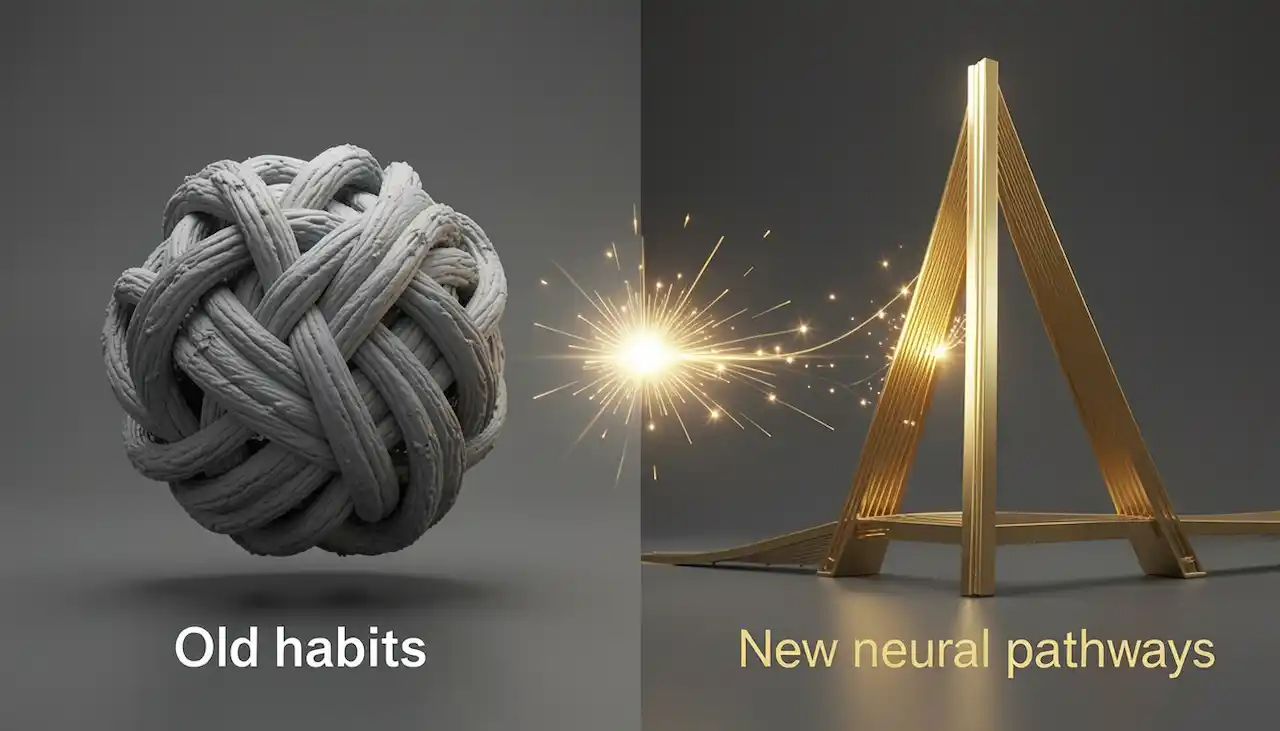
Neuro-Plasticity: The Brain's Restructuring Process
During speed reading training, the brain undergoes a structural change thanks to 'neuroplasticity.' The connections between the lobes that process visual stimuli (occipital lobe) and the language centers are strengthened. During this process, regular sleep and proper nutrition are academic requirements for the solidification of synaptic bonds. Every day of the 21-day program represents a neural brick falling into place in the brain. At the end of the training, the individual doesn't just read faster; they also make decisions faster and possess a higher concentration capacity. Intelligence is only as strong as the neural pathways utilized.
Discipline and Continuity: Success Criteria of the Program
The biggest enemy in a 21-day program is 'inconsistency.' Skipping even a single day can trigger the brain's tendency to return to old habits. Exercises of 20-30 minutes performed at the same time every day include the biological clock in this process. In academic success, the concept of 'deliberate practice' is vital; meaning, it's not just about reading, but intentionally trying to correct weak points (such as regressions) that makes the difference. Discipline is the only bridge that turns potential into reality. Patience is the hidden fuel of success.
Measurement and Evaluation: Monitoring Tangible Progress
Seeing progress in the speed reading journey with concrete numbers keeps motivation at its peak. 'Words Per Minute' (WPM) and 'Comprehension Percentage' tests conducted at the end of each week offer the individual their own map of development. Academic-level progress tracking must account for not only speed but also the lexical density of the text read. For someone who initially read 200 words to read 600 words with an 80% comprehension rate at the end of 21 days is a massive increase in mental capacity. Data doesn't lie; effort reveals itself in statistics.
Conclusion: From a 21-Day Marathon to a Lifelong Gain
In conclusion, the 21-day speed reading program is not a 'magic wand,' but a scientific journey of transformation. Those who successfully complete this process gain the power to command the limitless resources offered by the information age. Every page read, every minute gained, is the sturdiest guarantee of your future success. This skill you acquire at the end of the program will be the most valuable 'mental capital' that remains with you for life. Now, focus on the first day's exercise and begin stretching the limits of your mind. Remember that time cannot be turned back, but its speed can be managed. Success belongs to those who continue their path every morning by saying 'bismillah.'

Speed Reading Exercises Pro: Master Reading in 21 Days — Experience This Now
Download our app to explore all these features and more.